
Application arrangements announced for the coming year
NOAA Fisheries issued a bulletin on 12 November 2026 setting out the application period for 2027 Pacific halibut permits in International Pacific Halibut Commission Regulatory Area 2A. The online application portal is due to become available on 16 December 2026. Owners and operators of smaller charter fishing boats serving the United States West Coast have a particular reason to take note of the announcement as they organise next year's activities.
The bulletin provides information about several permit categories, including recreational charter fishing. It is not an announcement of the 2027 recreational season dates or catch limits. The distinction is important for businesses planning their bookings and customers arranging holidays. A permit application is one element of preparation for an authorised operation, whereas the ability to undertake a specific fishing trip depends on the applicable fishing rules, the vessel's authorisations and the conditions at the relevant time.
Identifying the correct category
The NOAA notice distinguishes the recreational charter category from several types of commercial halibut permit. The listed commercial applications relating to directed fishing, incidental catch in salmon trolling or longline sablefish fishing and relevant joint participation have a 15 March deadline. By contrast, the recreational charter category is listed without an application deadline.
A skipper should therefore identify the category that applies to the intended business activity. The absence of a published deadline for charter applications does not mean that an operator may fish without obtaining the required permit. Nor should the commercial categories be treated as alternatives for a recreational charter business merely because their application arrangements differ. Check the eligibility requirements for the actual operation, especially when the same boat is used for more than one type of fishing or when its working arrangements have changed.
The opening of the application portal
NOAA states that applications will be available through its Pacific Coast Groundfish and Halibut Portal beginning on 16 December. This is a useful date for operators whose preparation for the next season begins during the winter. Organising documentation ahead of the portal opening may help avoid unnecessary delays during the period when boats are also being serviced and businesses are developing their programmes for the coming year.
The application process should be treated as part of ordinary business administration. Check the information recorded for the boat and identify any change in ownership or registration that may need to be addressed. Establish which documents the applicant is required to supply under the current process. Obtain the appropriate details from authorised sources rather than depend on copies retained from a previous application that may no longer reflect the vessel's circumstances. Keep records of submissions and subsequent communications from the permitting authority.
Vessel documents and application completeness
The November notice explains that a complete application needs the required information, acceptable vessel registration documentation or a current marine survey, as applicable, and payment of the fee. This aspect is important to smaller charter operators as much as to those using larger vessels. The document accepted for one boat may not be the right documentation for another.
The operator should consult the portal instructions and the permit authority if there is uncertainty about the vessel's documentation. Do not assume that a boat with valid state registration necessarily meets every separate requirement for its intended use as a charter boat. Conversely, the announcement should not be interpreted as imposing every type of document on every applicant. The relevant requirements must be established for the particular boat and application. The agency warns that incomplete applications may be declined, making careful preparation more useful than rushing a submission.
Application dates are distinct from fishing dates
The announcement establishes when the application process begins and identifies deadlines where they apply. It does not establish the calendar on which recreational halibut fishing will actually take place in 2027. That calendar depends on management decisions communicated through separate notices. An operator preparing a website or brochure should recognise the difference when describing next year's proposed services.
Bookings can be organised in ways that allow for the eventual announcement of dates and conditions. Explain to customers which parts of the programme are provisional and what alternatives are available if a proposed fishing opportunity is restricted. Such communication is particularly relevant to charter businesses serving visitors who need to arrange travel or accommodation. Providing a transparent explanation of regulatory uncertainty is more responsible than guaranteeing a fishing opportunity before the applicable decisions have been made.
Why Area 2A matters
The International Pacific Halibut Commission provides an international framework for the management of Pacific halibut. NOAA Fisheries' West Coast information explains that the agency works with regional management bodies, states and tribes in managing the fishery off Washington, Oregon and California. Area 2A is therefore a geographical and regulatory designation that needs to be understood in connection with the area in which an operator actually intends to fish.
A boat owner planning travel between coastal locations should not assume that every fishing area has the same rules. Local allocations, times and other measures can be different. Details should be checked through the relevant official announcements rather than inferred solely from the name of the species being targeted. The November permit bulletin is useful because it establishes an administrative starting point for the coming year, but the full regulatory picture will require continuing attention as the management process develops.
Small charter boats and the wider business calendar
For an owner-operated recreational fishing business, winter preparation can involve far more than regulatory paperwork. Maintenance of the boat, servicing of its machinery, checking of fishing equipment and arrangements for customers may all be undertaken while future regulatory decisions are still being considered. Bringing the permit application into that schedule helps ensure that it is not overlooked.
The operator must also address the separate requirements for carrying customers and using the vessel commercially. A fisheries permit is not a replacement for any authorisation that applies to the safety, registration or operation of a charter vessel. Confirm current requirements with the relevant competent authorities. Small boats can offer clients a direct and personal fishing experience, but the skipper needs to assess carefully the suitability of the vessel for the intended operating conditions and the responsibilities involved in providing a commercial service.
Responsible trip planning for halibut
Pacific halibut is a prized target for recreational fishermen, and trips pursuing the species can involve different conditions depending on the fishing area and the boat used. Preparing a suitable vessel and crew is important independently of the administrative arrangements described by NOAA. A permit does not guarantee favourable weather or establish that a particular offshore trip lies within the capabilities of a given boat.
Before a trip, assess the route, expected conditions, required safety equipment and arrangements for handling the expected catch responsibly. Follow the applicable current fishing regulations and official guidance on catch handling. Customers should be briefed appropriately and should understand that the skipper may change or cancel the trip when conditions are unsuitable. A successful operation depends on the ability to make those decisions without pressure from bookings or an expectation of obtaining a particular fish.
Information for recreational customers
The announcement is directed in part at vessel permit applicants, but customers have reasons to follow it as well. People considering a halibut charter should distinguish between the timing of the operator's administrative preparations and the authorised fishing opportunities that will ultimately apply. Ask whether a proposed trip is subject to confirmation of future seasons or other regulatory conditions.
An established charter business should be able to explain how it handles a change to its intended fishing programme. The customer should also ask what equipment, licences or other arrangements are included and which matters remain the customer's responsibility. Different regional rules may apply to the activity being booked. It is sensible to make travel arrangements flexible where uncertainties remain. The November bulletin establishes an important preparatory step, but customers should look for subsequent official season announcements before treating particular dates as guaranteed opportunities.
Preparing for the 2027 announcements
NOAA's 12 November bulletin gives Area 2A permit applicants a clear date from which the application portal is scheduled to become available. For recreational charter operators, the fact that the bulletin lists no application deadline should not obscure the practical importance of having the necessary authorisation in place before undertaking regulated activity.
The next stage for boat operators is to consult the official permitting instructions and continue following fisheries management notices for the area in which they plan to work. Customers should obtain accurate information from prospective operators and recognise that the coming season's rules may not yet be determined. The practical benefit of early preparation is the ability to respond to those later decisions with suitable documentation, a properly prepared boat and realistic expectations for a responsible recreational fishing programme.
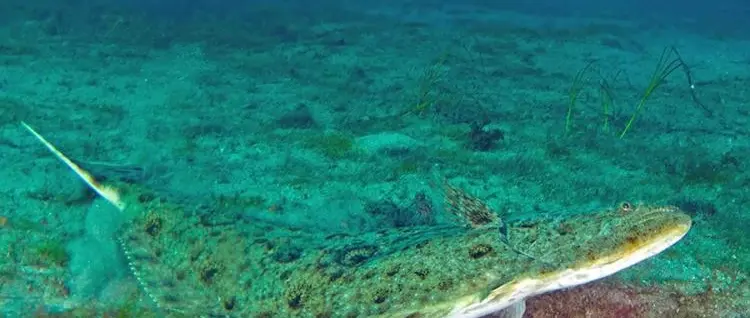
Official source: Read the primary announcement. Pacific halibut on the ocean floor. NOAA Fisheries species photograph; archival illustration, not a 2027 catch. Photograph used with documented public-domain provenance.