
Ontario backs a North Channel waterfront upgrade
Ontario has committed C$199,998 to upgrades at Thessalon Marina on the North Channel of Lake Huron, giving the municipal harbour an investment intended to improve docks, boat launching and public access. The Northern Ontario Heritage Fund Corporation announced the support on 22 October 2026, identifying the marina as a recreational boating and tourism asset for the community. The project is significant because a small harbour can be both a stop on a longer Great Lakes cruise and a crucial launching point for local boat owners.
The funding announcement describes six new docks, two ramps and an improved outdoor gazebo as the project's main physical elements. The town will carry out the work with support from the heritage fund, but the announcement does not give a firm construction timetable or declare the replacements complete. Boaters should therefore treat the news as a confirmed investment in future infrastructure, not as notice that additional ramp capacity is already available.
Thessalon occupies an attractive position on the North Channel, an area used by sailors, cruising powerboats, anglers and paddlers. For visitors planning a route along Lake Huron, even modest improvements to a municipal stop can matter: reliable access to fuel, waste facilities and a workable landing can make the difference between a convenient shore visit and a complicated diversion.
What the $199,998 is intended to provide
The government-backed project combines access improvements with replacement of ageing facilities. Six docks and two ramps represent more than cosmetic work, particularly at a facility where visitors may arrive with different boat sizes and where local residents also depend on launch access. The proposed gazebo improvements have an accessibility component, intended to provide a more welcoming and useful shoreside space.
According to the heritage fund's announcement, the marina already offers slips, kayak hire, fuelling, a pump-out station and a boat launch. This existing mix is important because it means the investment strengthens an established recreational hub rather than creating an entirely new harbour. The practical benefits will be judged by how well the completed facilities support manoeuvring, launching, loading and ordinary pedestrian use.
The announcement does not specify new slip dimensions, dredging work, a berth reservation system or a revised maximum vessel size. Those details must not be inferred from the planned number of docks, which is a count of facilities rather than a promise of extra yacht capacity. Visiting skippers should continue to ask the marina directly about their own vessel's size, depth requirements and services before making a booking.
A facility linking local boaters and cruising visitors
The municipal marina is both an everyday local amenity and a potential stop on a broader voyage through the North Channel. Its services support several styles of boating, from short fishing outings to a cruiser seeking fuel and a night ashore. That overlap makes it useful to discuss the investment in terms of resilience and access rather than simply the number of structures being installed.
A better launch arrangement can reduce congestion at busy periods if its design and management work well, while sound docks can improve confidence during ordinary boarding and loading. It would be premature to promise reduced waiting times or increased safety statistics before the project is delivered and operational, however. The municipality will need to manage temporary work periods and provide practical notices when construction and availability become clearer.
Small coastal towns also rely on marine visitors bringing economic activity beyond the waterfront. A stop may include groceries, meals, repairs or an overnight stay, and repeat calls often depend on a harbour being simple to use. This is the connection the Ontario announcement makes between recreation infrastructure and wider community development, though the scale of any additional visitor spending is not yet quantified.
The North Channel context for owners and skippers
Thessalon's location gives the project relevance beyond one town. Lake Huron's North Channel attracts boaters who prize sheltered passages, islands and varied overnight stops, but weather and navigation still deserve full Great Lakes discipline. A berth plan, fuel margin and realistic forecast remain important whether the boat is a small trailerable runabout or a larger cruising vessel.
The Government of Canada's published Sailing Directions for the North Channel cover approaches and navigational considerations around Thessalon, including harbour landmarks and nearby waters. That publication is helpful background, but a skipper must use its current edition and any applicable updates together with current charts and official navigation warnings. Online tourism summaries and an article such as this cannot replace operational navigation information.
Boaters visiting from elsewhere should also distinguish the municipal marina's operating season from navigability on the lake itself. The town's own information identifies a seasonal operating window from Victoria Day weekend to Thanksgiving Monday, although specific services may be available only when staff are present. A trip in late October therefore requires direct confirmation rather than assumptions based on summer marina descriptions.
Town information and what is known today
The Town of Thessalon maintains a dedicated marina information page with contact details and published rates for different lengths of stay. These are useful starting points for practical enquiries, but rates and availability can change between seasons. The town also says marina email is monitored during the operating season, making a telephone enquiry or an alternative municipal contact prudent outside that period.
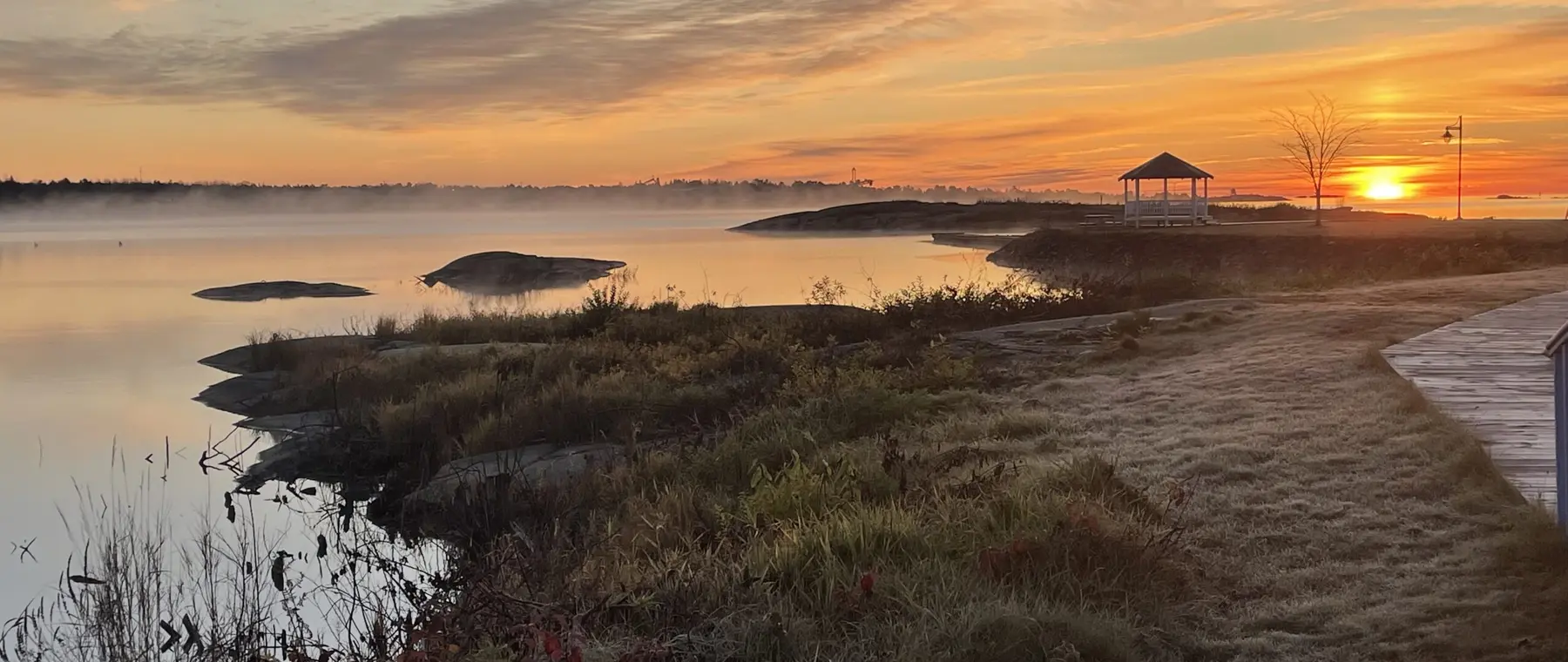
The official town page features a photograph credited to Tracey Cooke showing the marina before the proposed new work. That distinction matters editorially: the image illustrates the established facility, not the future completed docks or ramps. A reader should be able to see the existing waterfront without mistaking an announcement about capital investment for evidence that the construction has already happened.
The heritage fund statement was published in late October, after the normal summer boating period, so there is no basis to assume a particular reopening date or 2027 work schedule. Construction phasing, access notices and final service details will depend on subsequent information issued by the town and any relevant authorities. We will treat official updates on those matters as separate news when they become available.
A public-space element alongside working marine infrastructure
The improved outdoor gazebo forms a smaller but interesting part of the proposal. Ontario's release describes it as an accessibility and visitor amenity project, and the town's support for that change indicates an intention to make the waterfront more welcoming to people who arrive by land as well as by boat. Public-space quality can be especially noticeable in a marina serving a small community.
That does not mean every part of the marina will automatically become fully accessible after the works. Specific ramp gradients, parking arrangements, boarding equipment and other accessibility standards have not been detailed in the announcement. It is more accurate to view the gazebo component as a defined improvement and leave the wider accessibility assessment until designs and completed facilities can be inspected.
Taken together, the proposed docks, ramps and shoreside changes show why local marine infrastructure grants matter. They address physical facilities that are expensive to maintain and rarely attract the publicity given to new boat models, yet form part of the network on which thousands of ordinary boating journeys depend. For an existing municipal operation, replacement can be as valuable as expansion.
What boaters should do before planning a visit
Anyone hoping to launch, visit or overnight at Thessalon should check the town's current marina listing and make direct contact about the relevant date. Ask about operating hours, ramp access, temporary construction effects, suitable vessel size, fuel and pump-out availability, and overnight slip arrangements. This is especially important while the marina transitions between normal seasons and the planned upgrade programme.
Travellers cruising the North Channel should also consult official charts, forecasts and Canadian nautical publications when plotting approaches and alternative harbours. On a windy day, the most helpful upgrade is still a well-considered passage plan and safe decision-making by the skipper. Infrastructure funding improves the prospects for the facility, but it cannot remove the inherent uncertainties of open-water boating.
The clearest conclusion from the 22 October release is that Ontario has approved almost C$200,000 of support for specific proposed works at an important Lake Huron community marina. The amount, six docks, two ramps and gazebo enhancement are confirmed by the funding body; the delivery timeline and any temporary restrictions remain to be confirmed by the town. Leisure Boat Guide will follow those distinctions as the project progresses.