
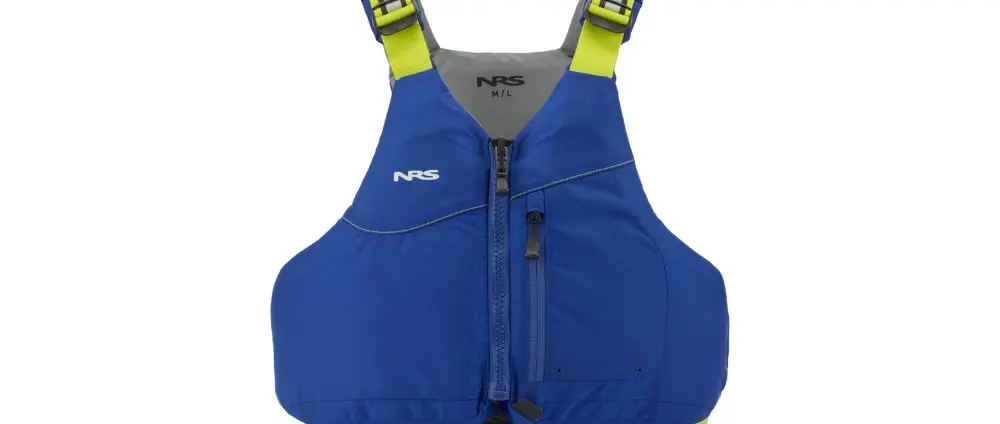
An everyday buoyancy aid takes a simpler approach
NRS has entered its Vista personal flotation device in the 2027 recreational product selection at the Paddle Sports Show. Rather than designing primarily for technical whitewater or long-distance expeditions, the Vista is positioned for people paddling close to home on calm waterways. The official presentation emphasises comfort, adjustable fit, reflective details and straightforward operation, recognising that a large share of kayak and paddleboard use takes place on relatively modest outings.
The product highlights a useful objective for small-craft manufacturers: protective equipment should be easy enough to use that people wear it consistently. An excellent technical garment left in the car provides no help on the water. Simpler entry and comfortable movement can encourage good habits, although the owner must still ensure that the chosen device is approved and suitable for their particular activity.
Front-entry convenience on an ordinary day
The Vista uses a front zipper, avoiding some of the effort associated with pulling a buoyancy aid over the head. This may be attractive to occasional paddlers who want to dress quickly before a short trip. The company also describes a flexible shape intended to move naturally with the body, important when a paddle stroke repeatedly brings the arms and shoulders forward.
A convenient entry system is valuable only when fastened properly. The wearer should check the zipper, adjustment straps and any securing hardware according to the instructions before launching. A PFD must remain correctly positioned if the person falls into the water, so a loose fit chosen solely for comfort is not an acceptable compromise.
Fit should match the paddler and the craft
The manufacturer describes multiple adjustment points, allowing the garment to accommodate a range of body shapes. The front entry and medium-profile flotation arrangement are intended to work alongside the seating found in recreational kayaks. A paddler should still try the garment while seated in their own boat because a backrest or raised seat can change how the buoyancy aid feels.
The right size should allow breathing and an effective stroke without slipping upward when tested as the manufacturer directs. A device that rubs against the underarms or presses uncomfortably on the neck may discourage regular use. A local specialist shop can often help identify the correct configuration more reliably than purchasing by chest measurement alone.
Recycled fabrics and construction choices
The Vista presentation identifies recycled ripstop nylon materials, including a 420-denier outer fabric and a lighter 200-denier lining, alongside PFAS-free construction. The intention is to balance wear resistance, manageable weight and material choices that respond to environmental concerns. Those attributes are worth examining, though a single fabric characteristic does not establish the complete environmental impact of manufacture or disposal.
A longer service life can matter for recreational equipment that might otherwise be replaced frequently. Seams, zips and strap attachments should remain dependable through wet storage and repeated handling. Owners can support durability by rinsing, drying and storing the PFD properly, following the maker's instructions rather than leaving it tightly packed or exposed to sunlight indefinitely.
Reflective elements help, but do not replace visibility
The Vista includes reflective accents intended to make the wearer easier to detect when illuminated. That can be a useful addition on a quiet lake at dusk or during the return to a busy ramp, but it does not make a person instantly visible in every condition. A paddler should carry other appropriate safety equipment and choose clothing that suits the surrounding water and weather.
Most leisure outings are best planned to finish well before darkness if the paddler lacks specialised experience. A small kayak may be difficult for powerboat operators to see against shore clutter, particularly in glare. Keeping to suitable routes, remaining alert and respecting other water users are still essential. Reflective details are an enhancement rather than permission to paddle in unsafe visibility.
A pocket and practical features for everyday use
The manufacturer lists a front pocket among the Vista's details, giving users a location for suitable small accessories. Access needs to remain manageable from the seated paddling position, and items should not interfere with the garment's fit. Car keys and mobile phones should be appropriately secured against water loss rather than assumed waterproof merely because they are placed in a PFD pocket.
Extra equipment must also be compatible with the intended activity. Sharp fishing tools, bulky containers or unsecured lanyards can introduce problems during a capsize or rescue. The most helpful arrangement is often modest: carry essential items and keep the remainder in an accessible, secured compartment aboard the kayak.
Where a recreational PFD fits in a safety plan
The Vista is intended for everyday paddlesports, but the right flotation standard and assistance level depend on local regulations and the conditions expected. A recreational PFD is not necessarily suitable for an offshore journey, commercial operation or an infant. A buyer should read the product label carefully and understand the limits of its intended use.
Practical training matters as much as equipment. A paddler should know how to exit and re-enter the craft, recognise deteriorating weather and signal for help if necessary. Familiarity with cold-water effects and basic route planning can prevent emergencies that a buoyancy aid alone cannot solve. A safe outing relies on several measures working together.
What the 2027 product listing establishes
NRS's Vista entry at Strasbourg demonstrates the continued development of straightforward recreational safety equipment. It is part of a product selection and should not be described as the winner of the 2027 recreational award. Buyers should verify current sizing, applicable certification, price and regional availability through the manufacturer's published specification and authorised retailers.
The most meaningful question is whether the garment will be comfortable enough and appropriate enough to be worn on every outing. A simple, well-fitting PFD can contribute more to safety than an elaborate alternative that is never used. The Vista's presentation is relevant precisely because it treats the ordinary day on the water as worthy of careful design.