
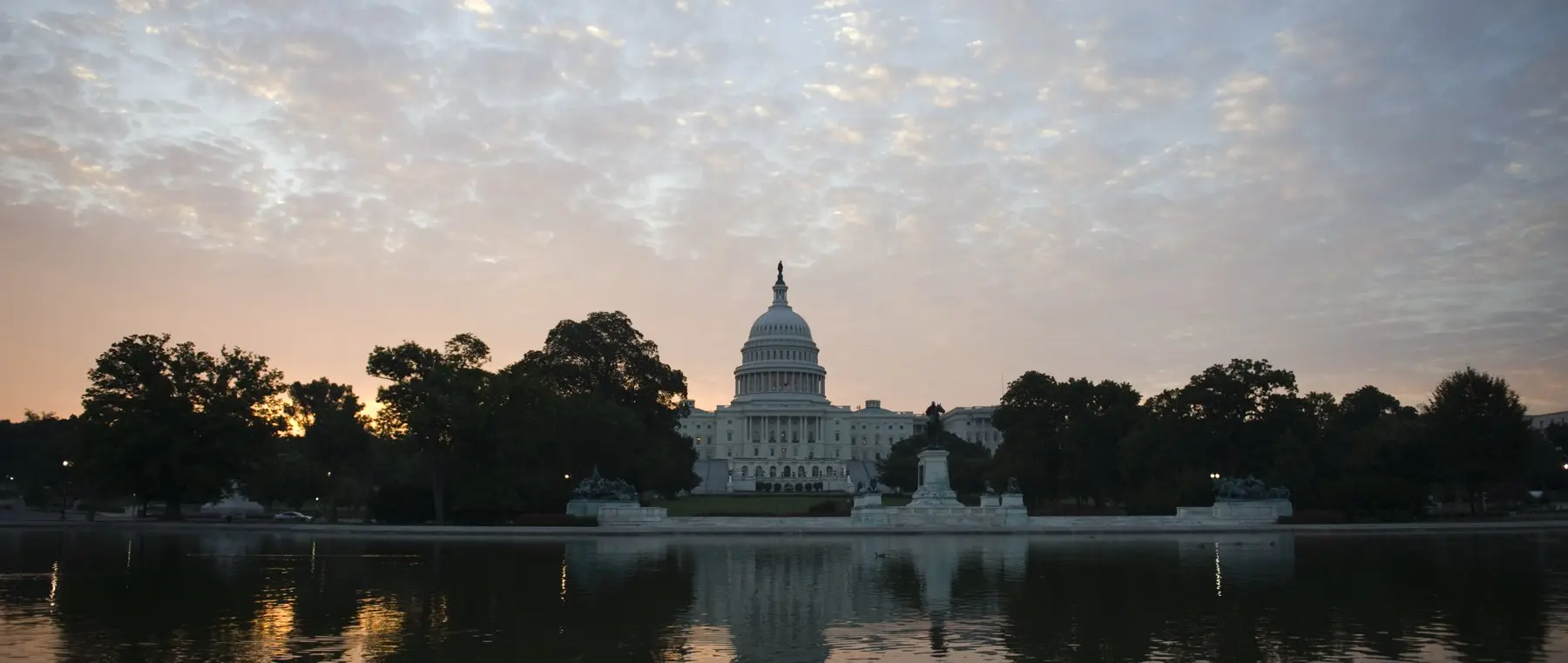
The National Marine Manufacturers Association has called on recreational marine businesses to engage with US policymakers following the November 2026 midterm elections, setting out a practical agenda for boating access, waterfront infrastructure and marine manufacturing. In a 16 November industry announcement, the NMMA identified waterways, boat ramps, maintenance funding and the Sport Fish Restoration and Boating Trust Fund among its priorities for the transition between congressional sessions. The message is an industry association's advocacy position, not a law that has already taken effect or an independent assessment of every budget proposal. For Leisure Boat Guide's under-12-metre audience, the relevance is direct: a small boat is of limited use if owners cannot find a safe, affordable place to launch, recover or store it.
Access is more than a charted waterway
The availability of a lake or river does not automatically mean every member of the public can launch a motorboat, dinghy or fishing craft there. Ramps may have limited parking, restricted operating hours, shallow approaches or seasonal closures. Some facilities need repairs before they can serve trailer boats reliably. The NMMA's November statement connects these practical matters with policy decisions at federal and local levels. An association may campaign for additional funding, but users still need to consult specific access authorities. A national press statement cannot tell an owner whether their chosen ramp is open or suitable on a particular weekend.
A period of congressional transition
The association issued its call as lawmakers prepared for changes following the 3 November midterm elections. It described the transition as an opportunity to introduce boating-sector priorities to newly elected and returning officials. That is a common advocacy approach for industry groups, but the press release should not be confused with a government notice. Political negotiations, final legislation and appropriations depend on institutions beyond the NMMA's control. This article concerns the association's stated marine-policy interests rather than advocating for any party or candidate. Small-boat access and safety are legitimate public-policy questions regardless of the electoral composition of Congress.
The Water Resources Development Act is a focus
The NMMA highlighted the Water Resources Development Act of 2026, pointing to provisions it believes can support public access and US Army Corps of Engineers recreation facilities. Such legislation can affect waterways and infrastructure used for a variety of purposes, including navigation, flood management and public recreation. The association's account indicates progress through congressional processes but does not establish that all proposed provisions have become binding law. A boater should distinguish an industry request from final statutory language. The useful news is that recreation infrastructure remains part of the policy discussion, alongside other water-related priorities.
Boat ramps are essential small-craft infrastructure
A marina is helpful to owners keeping boats afloat, but a launch ramp can be more important to someone with a trailerable craft used only a few weekends each month. Safe launching depends on adequate depth, surface condition, access roads and space for vehicles with trailers. Maintenance is rarely spectacular, yet deteriorating facilities can prevent people from using their boats at all. The NMMA's access agenda calls attention to these ordinary points of contact between consumers and public waters. Improvements should be assessed locally, with attention to accessibility and environmental effects rather than assuming that any new construction will benefit every type of boater.
Public lands maintenance is another priority
The association also supports an America the Beautiful Act proposal associated with maintenance funding for public lands and waters. Roads, parking areas, piers and ramps can deteriorate over time, affecting visitors and the agencies responsible for them. There can be competing views about how such funds are raised and allocated. NMMA's support reflects one industry's assessment of the benefits, not a conclusion that every proposed expenditure is necessarily efficient. For small-boat owners, the practical issue is whether recreation areas remain safe and usable. Public access should be considered alongside habitat protection, other visitors' needs and long-term maintenance costs.
Fishing and boating share funding mechanisms
The Sport Fish Restoration and Boating Trust Fund is another major element of the association's statement. The NMMA describes a user-pay programme supporting boating safety, conservation and access infrastructure, including thousands of fishing and boating access points. The November release gives figures exceeding USD 750 million annually and more than 9,000 access points nationwide; these are attributed association figures rather than independently audited totals in this article. Such programmes can connect recreational activity with resources used to maintain public facilities. Their effectiveness depends on how funds are allocated, the projects supported and the quality of implementation.
Safety education relies on resources too
Boating safety does not depend solely on the decisions of individual skippers. Public information, training opportunities and infrastructure contribute to safer outings. A ramp with clear instructions and appropriate access may reduce confusion during launching, while suitable signage can help users identify local hazards. The NMMA includes safety in its discussion of trust-fund support. That is not proof that every proposed funding change will produce a specific reduction in accidents. Real outcomes need measurement. Nevertheless, small-boat users have good reason to follow how training and access programmes are financed, because these resources can affect the quality of everyday recreation.
Conservation can be part of the same discussion
Healthy waters support boating, fishing and other forms of recreation, making conservation relevant to people who own small craft. Habitat protection and public access sometimes reinforce each other and sometimes require careful balancing. Increased use of a sensitive shoreline can create environmental pressure if traffic, waste and wake effects are poorly managed. The NMMA argues for continued support of conservation activities while protecting recreational opportunities. Owners should not interpret that message as permission to enter protected zones or ignore local restrictions. Responsible access includes knowing where recreation is permitted and adapting behaviour to the particular environment.
The Waterways Access Initiative
The association presents its Waterways Access Initiative as a way of connecting infrastructure, manufacturing employment and consumer participation. The underlying argument is that accessible waters help support businesses selling, servicing and storing boats. Such relationships may be important to regional economies, though a policy announcement does not provide a verified economic forecast for every community. A new ramp, for example, may benefit local retailers while also requiring parking management and environmental review. The NMMA represents industry interests, so its priorities should be read with that perspective in mind. Other waterway stakeholders may propose different approaches.
Manufacturing remains part of the agenda
The NMMA also identifies competitiveness and innovation within US marine manufacturing as policy interests. Boats, engines, trailers and electronics depend on supply chains that can be affected by trade rules and costs. An owner shopping for a replacement outboard may notice price changes without knowing how much is attributable to materials, exchange rates, distribution or tariffs. The association calls for policy certainty, but that does not amount to a promise that retail prices will fall. A useful buyer should compare current complete quotations and support networks rather than attempt to derive a product price from a political statement.
The trade-policy questions are wider than boating
Import duties, domestic production incentives and global supply chains often involve competing objectives. Some measures are promoted as supporting local jobs, while critics may point to higher input prices or consumer costs. Both arguments can be relevant to the marine sector, depending on the product and the companies involved. The NMMA's statement reflects its intention to engage with lawmakers about these matters. This report does not endorse a particular tariff position or make a prediction about policy outcomes. For ordinary recreational boaters, the actionable response is to watch verified manufacturer and dealer information as conditions change.
Marine businesses are encouraged to explain their work
NMMA urged members to invite policymakers to manufacturing facilities and introduce them to marine employees. A workshop visit can help demonstrate how products are designed and assembled, but it is still an organised event selected by the business. Policymakers may benefit from speaking with workers and customers as well as managers. The association also recommended on-water experiences that could show why access and infrastructure matter. Such visits should comply with safety rules and avoid creating the impression that one demonstration represents every operator. The broader principle is that policy discussions can become more informed when participants understand practical conditions.
Small boats and public recreation
An under-12-metre boat is often carried on a trailer or kept in a modest berth, making public infrastructure particularly important. Owners may rely on local authority slipways, community docks and freshwater access sites rather than private yacht facilities. When those locations close or become overcrowded, the distance and cost of a day trip can increase. It would be inaccurate to assume that a proposed national measure will resolve every local problem. Land ownership, local budgets and seasonal water conditions remain decisive. Still, national policy can influence the resources available to maintain and improve public sites.
What an owner can verify independently
A boater interested in local access should consult the agency managing the waterway or launch facility. It may publish current opening hours, fees, maximum trailer sizes, parking limits and restrictions. Regional boating organisations can also provide information about planned works or public consultations. The NMMA announcement is useful background, but it is not a facility directory. Owners who wish to participate in policy discussions should identify the actual proposal and its public comment procedures. Accurate information is particularly important when a news release describes legislation that is still under consideration.
The funding deadline needs context
The association referenced a December 11 deadline connected to the trust fund and congressional funding discussions. That date is relevant to the policy calendar, but it does not establish the outcome of later negotiations. The federal budget process can involve changes, extensions or amended legislative language. Reporting the deadline as an event that has not yet occurred is appropriate on 22 November. Claiming a final agreement at this point would be premature. Readers should follow official legislative and agency updates for the outcome rather than rely on an industry association's initial advocacy statement.
An industry position, not an election endorsement
The NMMA emphasises engagement with officials across political parties and the need for practical attention to public waterways. That approach reflects the association's view of the recreational marine sector's interests. Other stakeholders may prioritise conservation, local public spending or commercial navigation differently. A balanced policy discussion should consider these perspectives without treating every claim as equally evidenced. The essential facts here are the NMMA's published requests and the relevance of ramps, safety programmes and infrastructure to small-boat users. The article does not seek to persuade readers to support a candidate or party.
Why the November statement matters
The NMMA's 16 November 2026 announcement identifies water access, infrastructure, innovation and manufacturing as areas it wants legislators to address. It names existing funding mechanisms and pending proposals, while asking marine businesses to communicate their experiences to policymakers. None of that is a final legislative decision or a guarantee of new ramps. For Leisure Boat Guide readers, the main takeaway is that boating access deserves attention beyond the price and features of a boat. Public facilities, safety resources and environmental management shape how often ordinary owners can make use of the water.
Official source: National Marine Manufacturers Association, 16 November 2026, *New Congress, New Opportunities: NMMA Encourages Industry to Engage Policymakers*. Lead photograph: NMMA's official Capitol Hill policy announcement illustration. Association claims, policy priorities and dates attributed to NMMA; original small-boat access analysis by Leisure Boat Guide.