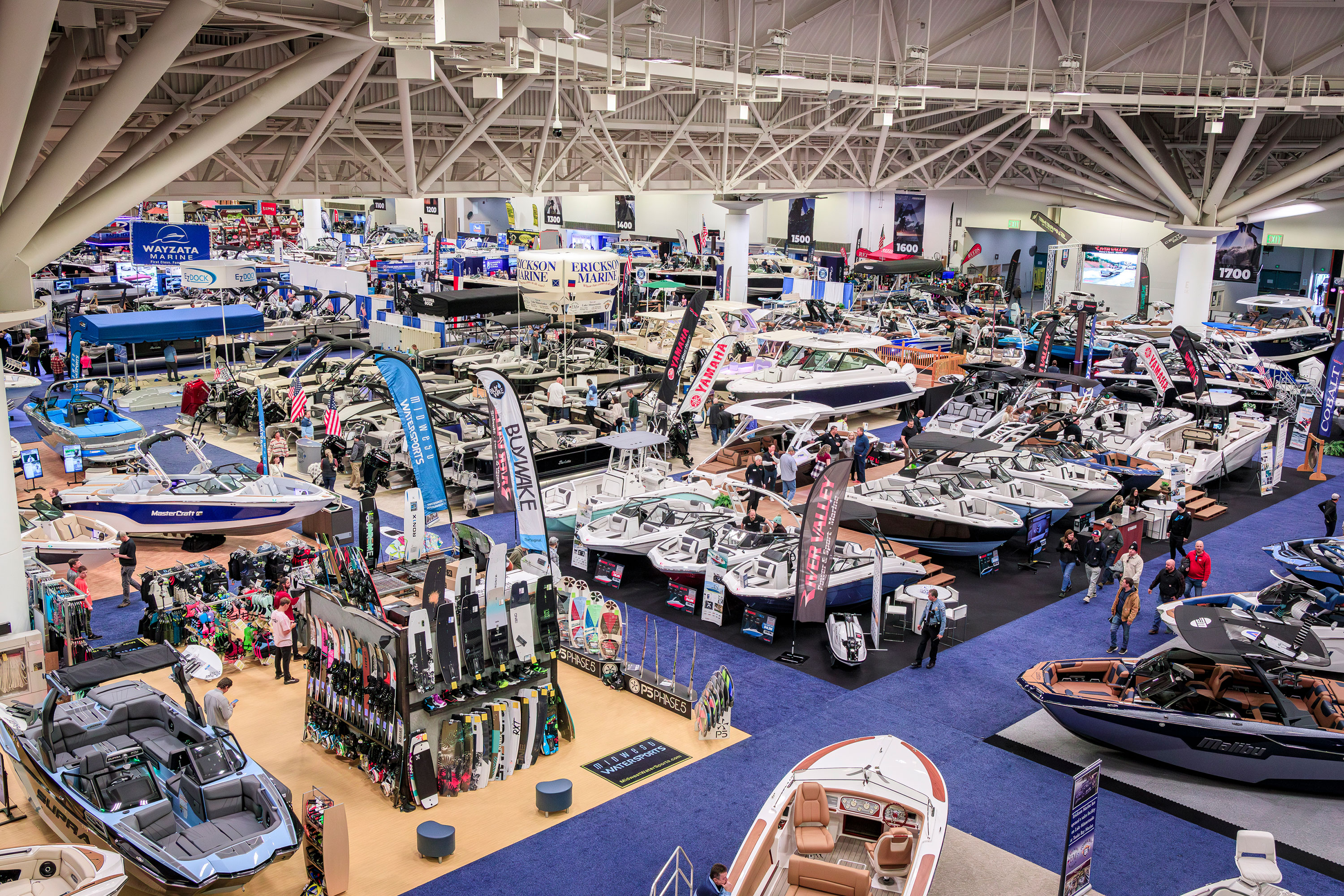
The Discover Boating Minneapolis Boat Show is preparing a new route into recreational boating for its January 2027 edition. The National Marine Manufacturers Association has announced Launch Point, a dedicated consumer experience and sales area in Hall A where participating manufacturers can present entry-level boats in the setting of the activities those craft make possible. The show is scheduled for 21–24 January 2027 at the Minneapolis Convention Center. Announced on 20 November 2026, the initiative is a forward-looking programme rather than a report of boats already sold or exhibitors already confirmed. Its premise is that someone considering a first boat may be more interested in fishing, watersports or spending time with family than in comparing boatbuilding terminology. The choice of activities as the starting point is therefore central to the story.
Four ways of getting afloat
According to the NMMA announcement, Launch Point will be organised into four distinct zones: fishing, watersports, cruising and family recreation. These are not rigid technical classifications. A small open boat can serve more than one purpose, and different owners use similar hulls in very different ways. The categories instead provide a simple way to begin a conversation with someone who does not yet own a boat. A visitor interested in fishing might want to discuss safe deck movement, equipment storage and launching. Someone imagining family outings may place more emphasis on seating, shade, boarding and keeping children comfortable. A watersports buyer may need to understand towing loads and operating responsibilities. Presenting the activity before the specification could make those discussions easier for both visitors and exhibitors.
An exhibition hall as a sales environment
Launch Point is described as a sales hub as well as an experience area. NMMA says the new section will include interactive activations intended to illustrate the respective boating lifestyles. The important distinction is between allowing a visitor to imagine a day afloat and treating an attractive exhibition display as proof that a particular boat is right for them. A show can introduce alternatives, but an eventual purchase still requires detailed checks. A buyer should ask about the complete price, trailer arrangements, insurance, servicing, storage, local regulations and the actual conditions in which a craft will operate. An entry-level model can be affordable relative to larger vessels while still representing a substantial ongoing commitment. The best outcome for a first-time visitor is not necessarily a signed contract; it may be a realistic understanding of ownership.
What manufacturers have been offered
The November announcement invites NMMA boat-manufacturer members to display entry-level models that will be available for sale in 2027. It states a participation rate of $1,500 per boat and asks members to reserve space by 30 November 2026. That is an exhibitor proposition, not a retail price for a vessel, and it should not be mistaken for a consumer subsidy. Nor does the notice establish which manufacturers will ultimately participate or how many boats will appear. Those details depend on subsequent commitments. An entry-level boat could encompass different configurations and propulsion choices; the release does not provide a fixed overall-length threshold, approved model list or guarantee of individual displays. Leisure Boat Guide will distinguish subsequently confirmed exhibitors from the possibilities described in the initial invitation.
Why the small-boat market matters
The appeal of smaller recreational craft is often their accessibility. A trailerable boat, fishing skiff, runabout or modest family boat may allow an owner to reach water without paying for a permanent berth, although suitability depends on local ramps, towing capability and the boat itself. A buyer often discovers that decisions about where to store and launch a boat are at least as important as selecting its colour or installed electronics. An indoor event in Minnesota also presents a chance to discuss planning well before the main summer boating season. None of these considerations proves that Launch Point will increase sales. They explain why an education-led sales format could be relevant to first-time owners and to companies that must help those owners remain confident after delivery.
Matching boats to actual water
The right starting point is the intended operating area. A craft chosen for a sheltered lake and calm afternoons will be evaluated differently from one expected to handle exposed water, frequent chop or long distances between safe harbours. Even within a single recreational category, hull design, freeboard, propulsion, fuel or battery capacity and passenger loading can vary significantly. New buyers should identify typical crew numbers, their need for a trailer or marina slip, and the distance from home to their preferred launch point. It is better to acknowledge limits before purchasing than to assume every boat promoted as versatile can safely undertake every activity. Retailers and manufacturers can contribute by explaining performance and limitations in plain language instead of relying on maximum-speed or passenger-capacity figures alone.
The practical economics of first ownership
An introductory purchase price tells only part of the story. Owners may also need lifejackets, safety equipment, a trailer, a suitable tow vehicle, winterisation, security arrangements and periodic professional maintenance. Launching fees, marina services and insurance requirements can change the annual budget. For boats using combustion engines there are fuel and servicing costs; electric propulsion introduces different questions about range, charging facilities, battery handling and electrical installation. Those factors cannot be resolved through one universal cost estimate. The appropriate figures must come from the specific boat, the owner’s location and qualified providers. Showing new boaters how to build a complete annual ownership budget would arguably be one of the most useful forms of consumer engagement that an event such as Launch Point could offer.
Education should sit beside promotion
A well-designed first-time-buyer area can make room for boating knowledge rather than treating it as a distraction from sales. Understanding local navigation rules, weather decisions, the effect of speed and wake, passenger briefings and the correct use of safety equipment is fundamental on any small craft. Buyers also benefit from seeing the difference between learning to handle a boat in a controlled environment and being responsible for it on a busy public waterway. The NMMA release promises an interactive format but does not specify a curriculum or formally accredited training component. Consequently, it would be premature to claim the exhibition provides licensing or certification. Visitors should separately investigate recognised local courses and the requirements of whichever state or waters they intend to use.
A different conversation with dealers
Traditional show stands often encourage comparisons among neighbouring boats. Activity zones might change the questions visitors ask: not simply which boat is most powerful, but which will fit the family, which can be launched by two people or which is suitable for regular use on a local lake. Such questions can help a dealer identify the practical constraints behind a buyer’s initial enthusiasm. They also require candour. A sales representative should be able to explain when a boat is a poor fit, when a trial is sensible and when a prospective owner should seek additional training. Confidence built by accurate expectations may matter more over time than enthusiasm created by a single demonstration. This is an editorial observation, not an outcome reported by NMMA.
Opportunities for supporting businesses
The entry-level customer journey involves more than boat manufacturers. Launching facilities, marine insurers, towing and storage operators, instructors, maintenance businesses and equipment suppliers all influence whether a new owner keeps boating. An exhibition experience could introduce those relationships, though the 20 November notice does not establish a complete list of service partners. For a smaller manufacturer, participating in a shared themed area may also offer a different way to meet visitors who might otherwise walk past a technically unfamiliar product. Whether that approach produces measurable value will depend on participation costs, stand presentation, follow-up and the quality of genuine consumer interest. Assertions of commercial success should wait for actual attendance and sales information.
What visitors can establish before January
Anyone considering the show can use the period before January to set a few sensible priorities. Write down the waters and activities that matter, the people normally coming aboard, the likely transport and storage method, and a realistic yearly budget. Think about whether handling a boat alone is important, whether accessibility or simple boarding is essential, and whether the household has the time to maintain the craft. When visiting a display, distinguish included equipment from options and request written specifications for any model under consideration. An exhibition is a valuable opportunity to see layouts and ask questions, but independent trials and careful review of contracts remain important. No announcement about Launch Point changes those fundamentals of responsible small-boat buying.
A test of a broader consumer approach
NMMA presents Launch Point as part of its exploration of new concepts for consumer engagement at boat shows. That makes the Minneapolis initiative interesting beyond the four days of one exhibition. If activity-led presentation helps visitors understand boating and gives manufacturers useful conversations, elements of the format might inform future events. If it proves confusing or too narrow, organisers can learn from that as well. There are no published performance results for the 2027 initiative yet. Clear reporting will need to distinguish intended measures from established evidence once the show has taken place. For now, the confirmed news is a new sales-and-experience section, the four announced activity zones, the 2027 event dates and the invitation to manufacturers.
The next verified milestones
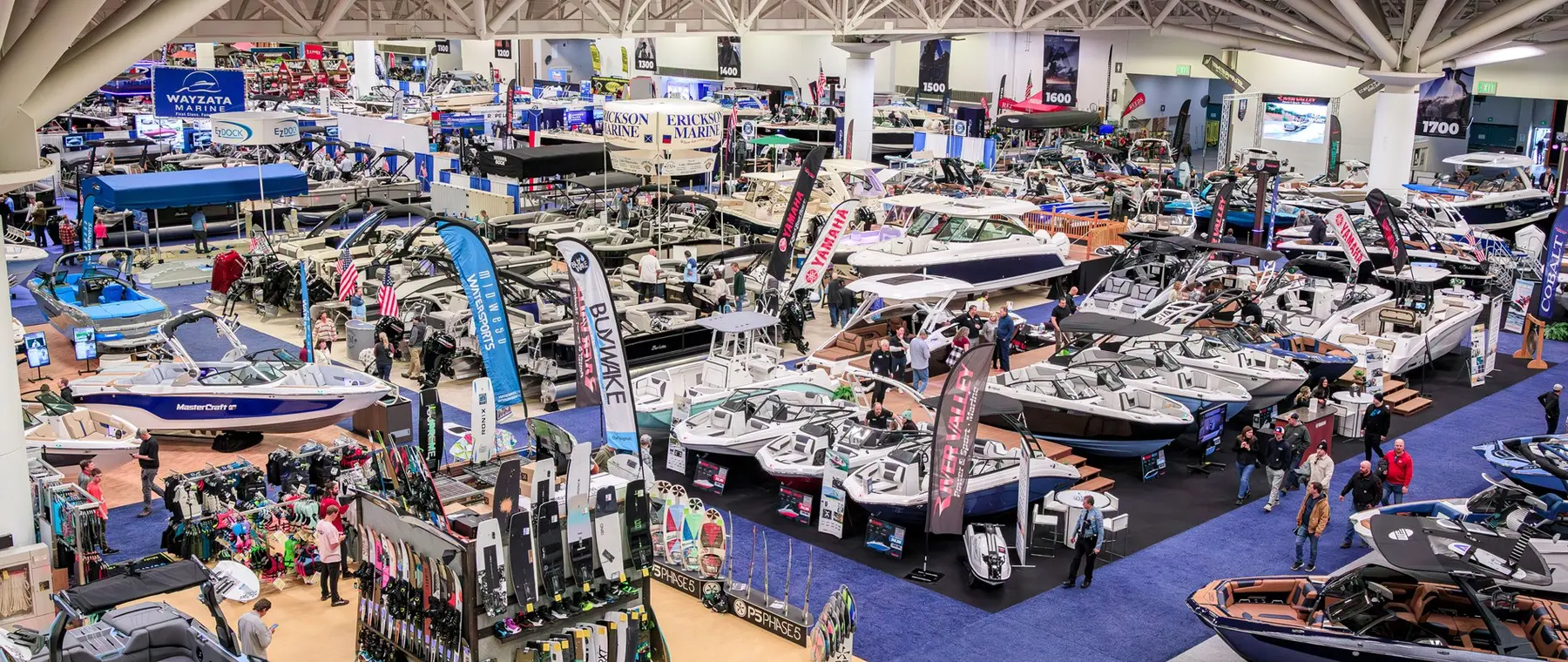
The Minneapolis Boat Show is scheduled for 21–24 January 2027, while the stated manufacturer reservation deadline for Launch Point is 30 November 2026. Exhibitors, specific models, consumer activities and any on-site selling arrangements should be checked against updated announcements from NMMA and the show itself. Consumers should also verify opening details and admission arrangements before travelling. Official show photography accompanying this report is an archival image from the organisers’ Minneapolis media gallery, not a photograph of the 2027 Launch Point installation. That distinction matters: the initiative has been announced, but the installation shown in plans has not yet opened. The useful story for leisure-boat buyers is the possibility of making their first boat decision around what they hope to do on the water.
Sources and image attribution
Primary reported announcement: https://www.nmma.org/press/article/25706.
Official photographic provenance: https://www.minneapolisboatshow.com/photos. Image supplied by the originating organisation, credited in the photograph title; original copyright remains with the rights holder. Official image file. The photographs are documentary or clearly labelled archival illustrations, not evidence of events that have yet to happen.