
Five brands and a broader retail footprint
MasterCraft Boat Holdings announced on 4 November 2026 that it had expanded its dealer arrangements across five recreational boating brands during the period described in the company's release as its Q1 2026 transition period. The announcement covers MasterCraft, Crest, Balise, Chaparral and Robalo. It combines new partnerships in Europe with additional representation across the United States and Canada. This is a distribution and aftersales story, not the launch of a new yacht, nor does it establish that every named dealer has every model immediately available. The company says the expansion is intended to improve customer access and support while strengthening its wider retail network. For people buying wake boats, pontoons, fishing boats and family runabouts, local sales and service capacity can have as much influence on ownership experience as a specification sheet.
MasterCraft strengthens European watersports links
The announcement identifies Boat Company AG in Caslano, Switzerland, and Motor Boat 74 in Saint-Jorioz, France, as new partners for the MasterCraft brand. Both locations connect naturally with the inland-watersports customer base, where towboat ownership depends on nearby servicing and knowledge of regional operating conditions. A new dealer relationship can reduce the distance an owner travels for a demonstration, routine work or warranty discussion. It does not automatically establish stocking levels, workshop capacity or the suitability of any given model for a particular lake. Those details need to be confirmed directly with the dealer. For Leisure Boat Guide readers in Europe, the concrete news is the named addition of two distribution partners, not a promise that every MasterCraft boat will be immediately available in those markets.
Pontoon growth across North America
Crest and Balise, the group's pontoon brands, account for a substantial part of the expansion announcement. MasterCraft Boat Holdings says the two lines added 13 dealerships across the United States and Canada during the period. The release lists a mix of established marine businesses and regional locations, illustrating the importance of a geographically distributed sales network for pontoons used on lakes and inland waterways. Those boats appeal to families seeking seating, accessible decks and unhurried social boating, but the performance and safety characteristics still depend on the exact design and propulsion package. A broader dealer network may provide more opportunities to compare configurations in person. Buyers should be careful, however, not to confuse the existence of a dealer relationship with a specific boat being in stock or ready for delivery.
Chaparral gains two regional partners
The group also names MacCallum's Boathouse in Epsom, New Hampshire, and Hall's Sport Center in Michigan as new Chaparral partners. Chaparral's recreational powerboat customers often need advice on engine selection, trailer weights, seating options and service access, so a knowledgeable local dealer adds practical value. A buyer who can examine a finished boat and discuss its delivered configuration may avoid assumptions based on a brochure rendering. In areas where boating seasons are concentrated, the proximity of a workshop can matter when a repair must be completed before the next holiday weekend. The announcement does not supply independent service-performance data for these businesses. Prospective customers should check current brand representation, facilities and appointment availability themselves.
Robalo extends fishing-boat distribution
Robalo's additions include Holly Acres in Virginia and Hall's Sport Center in Michigan, according to the group's statement. The release notes that Hall's represents both Robalo and Chaparral, broadening its connection with the parent company. For an angler comparing centre-consoles, bay boats and dual-console family configurations, access to models and local technical support is a meaningful part of the buying process. Fishing-specific equipment may require installation and aftersales knowledge beyond the hull itself, including livewells, electronics, trolling motors and trailer arrangements. A dealer can help buyers distinguish factory-approved combinations from later modifications. Again, it would be premature to infer particular stock levels, special offers or delivery dates from a corporate network announcement alone.
Why the dealer relationship is part of the product
A boat is usually a longer-term purchase than a seasonal recreational accessory. Even when sold with a manufacturer's warranty, it needs scheduled maintenance, replacement parts, technical updates and knowledgeable support. The dealer is often the customer's first contact when equipment behaves unexpectedly. A wider network can make the brand easier to reach, but only if communication and workshop capacity develop alongside the map of outlets. Owners should judge actual service arrangements, not simply the number of dealer names in a press release. Ask who carries out engine service, whether a warranty claim can be handled locally, and how the business supports customers who cruise or trailer outside their home area. Good retail coverage turns a manufacturer's support promise into something usable.
The under-12-metre market is not one market
The five brands reach several distinct types of recreational boaters. A wake-sports family may prioritise ballast, handling and watersports support. A pontoon buyer might value flexible seating and lake access. A fishing-boat customer may focus on cockpit layout, rod storage and the demands of a saltwater or inland operating environment. Those customers should not be lumped together merely because the parent company owns the brands. A new pontoon dealer may not be the right place to troubleshoot a towboat, and the best fishing-boat demonstration may not answer questions about family cruising comfort. The company's portfolio-level announcement highlights shared distribution strategy, but purchasing decisions still belong at the model and local dealer level.
A change in reach is not a change in demand
Adding dealerships can indicate a manufacturer's strategic confidence in its distribution programme, but it does not prove that demand has risen by a particular percentage. Neither does the size of a network alone tell readers how many boats will be sold in the coming quarter. The announcement contains named partnerships and company commentary; those are facts that can be reported. Sales volumes, profitability and dealer inventory require separate evidence. That distinction matters in a sector sensitive to financing costs, consumer confidence and regional weather. For a small-boat buyer, the more useful question is whether the new outlet offers genuine choice and support. For industry observers, the event illustrates how manufacturers adjust regional coverage without establishing a precise retail-market trend.
What an owner should confirm
Existing owners may reasonably ask whether a newly appointed dealer can service an older model or perform authorised warranty work. The answer may differ by brand, component, engine maker and age of vessel. Contact the outlet before making a long journey, provide the model year and identification numbers, and ask which service activities are actually offered. Customers considering new boats should request the final delivered specification, lead time, local registration or conformity paperwork and arrangements for handover. If a dealership lists several brands, determine which technicians and sales staff specialise in each. A new appointment creates an opportunity for better service, but it remains the customer's responsibility to establish what is available on the date of purchase.
The international part of the story
The European MasterCraft appointments are noteworthy because servicing specialist watersports boats can involve different operating conditions and customer expectations from those of a coastal centre-console dealer. Local waterway restrictions, trailer practices, winter storage and language-specific documentation all influence ownership. A distributor familiar with the region can help a buyer navigate those practicalities while referring legal matters to the appropriate authority. MasterCraft's statement places the new French and Swiss partnerships within a wider strategy of customer support. It should not be read as a statement that any particular boat has been approved for use on every European lake. Owners must still check local speed, noise, environmental and access requirements before operating.
A sensible reading of the November announcement
MasterCraft Boat Holdings has made a verifiable change to its stated dealer network, including two named European MasterCraft partners, 13 additional Crest and Balise locations, and separate Chaparral and Robalo appointments. Its announcement identifies five brands and provides business names to check directly. The next useful measure of success will come from customer experience and verifiable sales and service information, not from the announcement alone. Leisure Boat Guide's focus is on the practical relevance to recreational boats: easier access to demonstrations, technical support and the right equipment. Readers can consult the original company release and its investor news archive for the exact list and confirm current arrangements with the nominated local businesses.
Sources and image credit
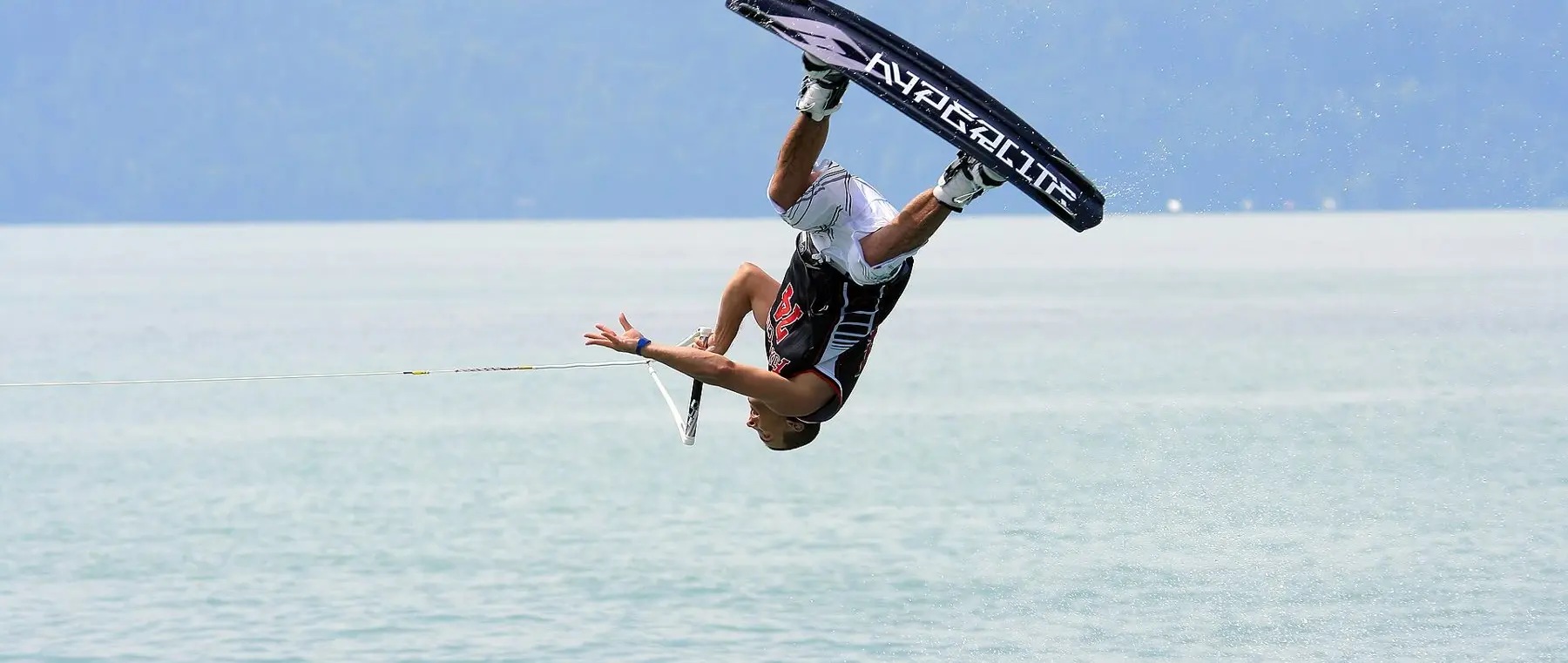
Original company announcement: MasterCraft Boat Holdings press release; company investor newsroom. Illustrative photograph: Wakeboarding in Zug by Roy Egloff, CC BY-SA 4.0, resized without cropping. The photograph does not show an announced dealer or MasterCraft boat.
