
No scheduled ferry during the 2026 season
The National Park Service has confirmed that the Manitou Island Transit passenger ferry will not operate to North or South Manitou Island during the 2026 visitor season. The suspension reflects ongoing dock relocation and infrastructure work at Sleeping Bear Dunes National Lakeshore, not an ordinary seasonal pause in service. Visitors planning an autumn crossing from Leland need to account for that distinction before travelling to the terminal.
The park says neither island currently has a safe docking location for the ferry while construction continues. The existing facilities have been affected by storms, shifting sand and periods of high water on Lake Michigan, prompting plans to reposition the landings in better sheltered locations. The investment is intended to provide more dependable access in future seasons rather than continuing a cycle of temporary repairs and repeated dredging.
Current National Park Service guidance identifies 2027 as the expected period for reopening the docks and villages on both islands. That is a planning expectation, not a published promise of a specific first sailing. Anyone hoping to visit next year should check for an official construction update and the ferry operator's confirmed schedule before making non-refundable travel arrangements.
What is closed on each island
On North Manitou Island, the dock, village and potable water supplies are closed during the works. The limitations reach beyond transport: even an experienced visitor arriving by private vessel cannot treat the settlement as a normal source of water or visitor services. Preparing supplies, assessing landings and understanding the permitted areas become essential before considering an independent excursion.
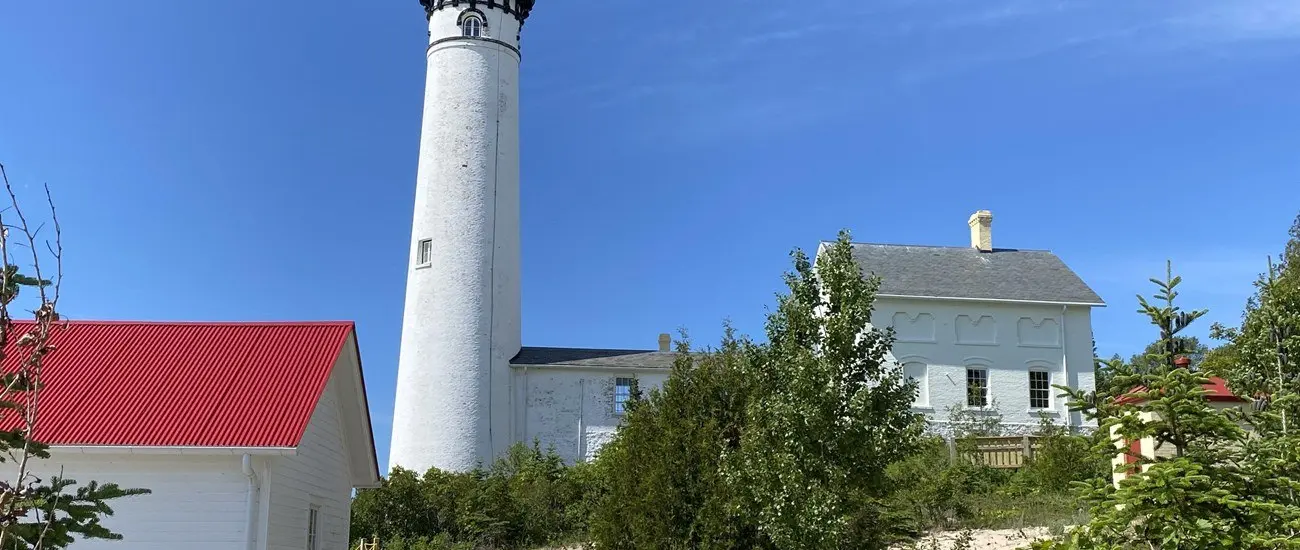
South Manitou's restrictions also include the dock and village, the lighthouse, group campsites, Bay Campground and potable water sources. The well-known lighthouse and island cultural sites may appear on older visitor guides, but those descriptions should not be mistaken for current access information. Park notices take precedence over a photograph or historical itinerary published before the closure.
The National Park Service stresses that its priorities include visitor safety and protection of sensitive resources. The lack of conventional facilities increases the consequences of a simple planning mistake. Those considering camping or hiking should confirm which areas and services remain available, identify emergency limitations and respect any posted barriers without assuming that a seasonal closure is negotiable.
Restrictions for private boats and charter operators
The ferry suspension does not mean that every private boating activity is categorically prohibited, but independent access comes with strict conditions. The park says personal boats cannot dock and that operators must anchor offshore before transferring passengers in a smaller vessel. It also identifies a lack of mooring buoys and protected anchoring locations, making safe weather and navigation decisions especially important.
Commercial charter vessels require a current Commercial Use Authorization from the National Park Service. Visitors should verify that any proposed operator holds the necessary approval rather than assuming that a local tour business can land passengers wherever it chooses. Separate restrictions apply to personal watercraft close to the shore, and a tender transfer does not override park rules or make a closed village accessible.
These are exposed Lake Michigan islands, not sheltered marina destinations. Sea conditions, anchoring suitability and the absence of immediate medical facilities can all affect whether an independent passage is appropriate. Boaters should rely on current charts, official park guidance and competent local advice, avoiding any promise of a landing when the conditions or regulations do not support it.
The reason for the investment
The dock programme is funded through the Great American Outdoors Act Legacy Restoration Fund and aims to reduce recurring access problems caused by sand accumulation, erosion and storm exposure. The project also includes work on historic buildings and other failing infrastructure. Its value will be measured not just by new landing structures but by how reliably visitors and maintenance crews can reach the islands in future years.
The Manitou Islands remain among Sleeping Bear Dunes' most distinctive natural and cultural settings, with forests, dunes and historic structures that reward a carefully planned visit. In the short term, however, the responsible advice is to treat the ordinary passenger-ferry option as unavailable. Mainland attractions and other approved activities within the lakeshore offer alternatives until access is restored.
For travellers considering 2027, the next practical step is to watch the National Park Service's conditions page and the authorised operator's announcements. The expected reopening date may move as construction progresses, and individual facilities may reopen on different schedules. Making that check before booking preserves the opportunity to enjoy the islands without turning a restoration project into an avoidable travel problem.