Young sailors from the Commonwealth now have an opportunity to express interest in competing at the Malta 2027 Commonwealth Youth Games, where sailing is scheduled to make its debut. The Royal Yachting Association confirmed the initial expression-of-interest process on 29 October 2026, outlining a programme of Optimist and ILCA 4 racing at Mellieħa Bay. The proposed sailing competition will take place over six days, with four gold medals available in men's and women's events across the two dinghy classes. The Games are scheduled for late 2027, so this is news about an upcoming pathway and its selection timetable, not a report that racing has already taken place. For the small-boat community, the announcement creates a new international ambition for sailors whose competitive experience often begins at local clubs.
Sailing's planned Commonwealth Youth Games debut
The RYA identifies Malta 2027 as the first Commonwealth Youth Games to include sailing. The sport is set to feature among eight disciplines at the event, giving younger athletes an additional chance to represent their home countries in a multisport setting. This is different from an ordinary national championship or a class regatta because competitors and support teams would be part of a wider Commonwealth sporting programme. The RYA's statement provides the planned programme and the opening of expressions of interest; it does not claim that the first sailing medals have already been won. Organisers and national governing bodies will have further work to do before entries are finalised. Changes to dates, competition instructions and the confirmed participant list should be checked through official future notices.
Mellieħa Bay as the announced venue
The planned sailing venue is Mellieħa Bay, Malta, according to the RYA's announcement. A location known to leisure boaters will therefore be associated with a new youth racing occasion in 2027. But a named bay is not in itself a detailed course map or a forecast of conditions. Wind, water state, restricted areas and the final arrangements for launching and support craft will need to be established through official event documents. Visitors and local boat owners should not assume the public can use every part of the water during competition days. For prospective competitors, the practical focus will be preparing for the selected classes while following instructions from their national pathway teams when the formal venue and event arrangements are published.
Two dinghy classes and four medal events
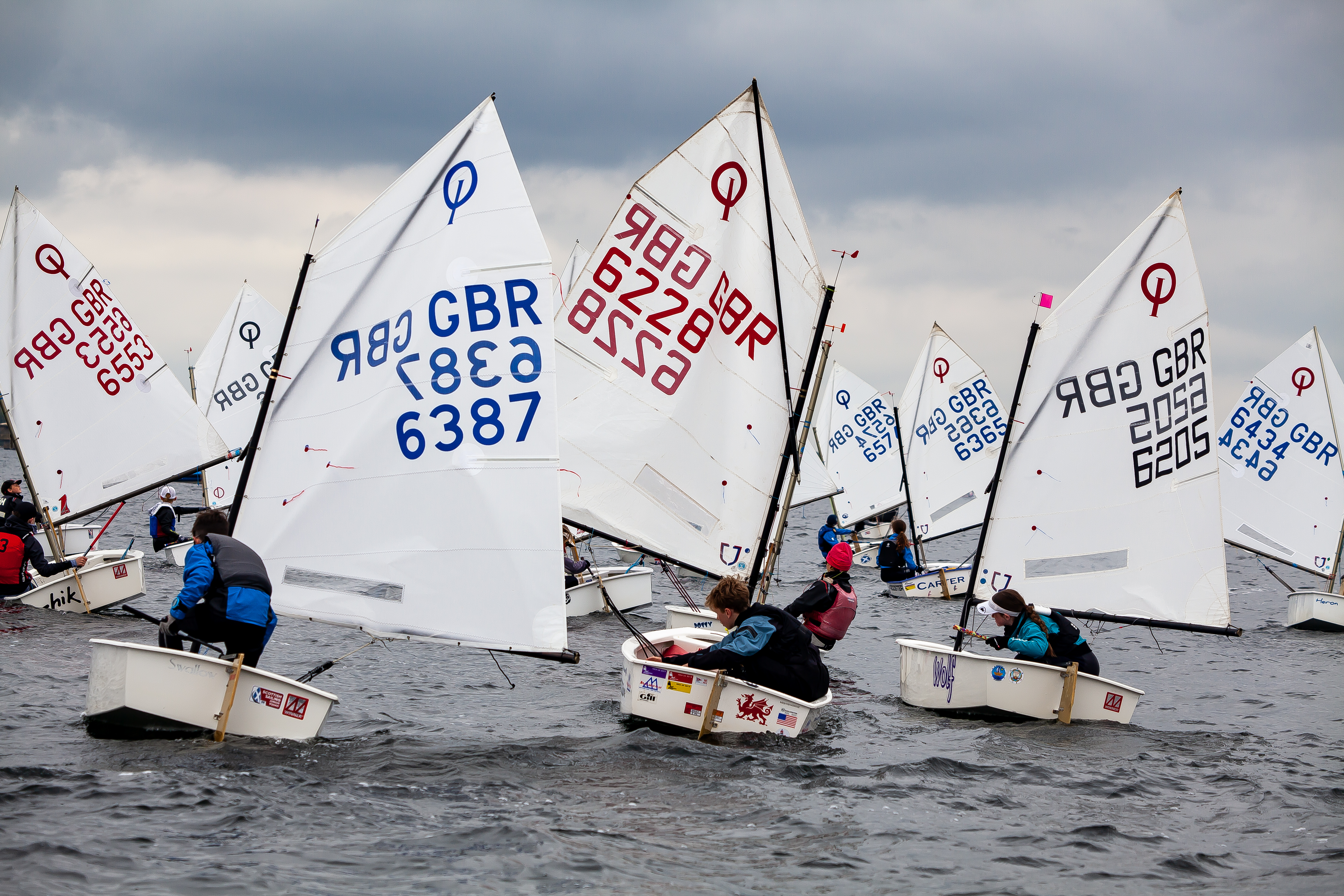
The RYA's October announcement identifies Optimist and ILCA 4 racing for young male and female sailors. Two classes with separate men's and women's events account for the four planned gold medals. The Optimist is widely used for junior training and racing, while the ILCA 4 is part of a progression through single-handed dinghy competition. These are small craft that reward precise boat handling and tactical decisions rather than large crews or powerful engines. The event may therefore draw attention to technical skills developed in ordinary sailing clubs, often over many seasons. It is important to use the exact planned classes rather than implying that every type of youth dinghy or board has been included.
Expressions of interest are not final entries
The announcement invites eligible sailors to signal that they want to be considered, but the RYA expressly distinguishes that step from longlisting and selection. An expression of interest does not establish eligibility, guarantee a place or mean that a sailor has been appointed to represent a country. The difference matters because a prominent event can quickly generate excitement among athletes, coaches and families. The appropriate response is to review official eligibility guidance carefully and submit accurate information before the deadline, rather than treating an informal expression of interest as confirmation of participation. The governing bodies will subsequently apply their published criteria and decisions. Any new policy or selection announcement should be reported separately when it becomes available.
The deadline in January 2027
The RYA gives a closing time of 09:00 on 4 January 2027 for expressions of interest. The organisation states that longlists are expected in March 2027 and final selection is planned for August. These are the milestones communicated in the 29 October 2026 release and should not be confused with the competition dates, which lie later in the year. Prospective applicants should consult the live application guidance for the relevant time zone, eligibility and any updates before submitting. A calendar reminder may be useful, but the responsibility for a complete and timely application remains with the sailor and their support team. The expression-of-interest deadline is a specific published date; selection outcomes have not been established by the announcement.
What young sailors must specify
According to the RYA, applicants are asked to identify their preferred class and event, the home country they hope to represent, how they believe they satisfy that country's eligibility criteria and any anticipated transition between classes. These requirements reflect the complexity of youth sporting pathways. A sailor might currently compete in an Optimist but be considering progression to a different class as they develop. The initial form is designed to capture that context rather than make a final determination of suitability. Families should avoid guessing about nationality, residence or representation rules and should instead consult the published guidance. An aspirational statement about wanting to compete does not override the formal eligibility process.
Protecting normal youth development
The RYA makes a particular point about Optimist sailors. It says the selection process is to be designed so that the new Games opportunity does not encourage young people to remain in that class longer than would otherwise suit their development. That is a useful consideration for coaches and parents. The excitement of representing a country at a major event should not lead to training or equipment decisions that are inappropriate for an individual sailor. Young athletes develop at different rates, and the right transition depends on many factors including confidence, size, skill and wider commitments. The official notice establishes the intention to account for normal class progression, while detailed future policies will explain how the principle is applied in selection.
The role of RYA home-country organisations
The RYA statement invites expressions of interest through the national organisation and its home-country bodies: RYA Cymru Wales, RYA Scotland and RYA Northern Ireland. This structure matters because Commonwealth competition involves distinct representation arrangements. Sailors cannot assume that expressing interest in one country automatically qualifies them for another. The form asks them to explain the home country they hope to represent and how they meet its requirements. The official guidance and future policies will be the proper sources for eligibility decisions. The published announcement indicates a coordinated pathway across the home nations, without announcing final selections or claiming that all countries will necessarily field the maximum possible number of competitors.
The view from Scottish sailing
RYA Scotland's Head of Sport and Performance Pathways, Jamie Rogers, welcomed the opportunity for young Scottish sailors to compete on a larger stage. The RYA reported enthusiasm within its pathway team for the chance to show the capability of the next generation. That reaction is significant as an indication of how the event is being received by officials, but enthusiasm should not be presented as an achieved sporting result. Athletes still need to prepare, apply and meet selection criteria. The planned Malta competition gives the pathway a new destination toward which to work. It does not change the importance of existing club sailing, national regattas and training programmes through which young participants develop their skills.
The view from England's youth pathway
RYA Youth Racing Manager Oli Woodcock also described the inclusion of sailing at the Games as a new opportunity for English sailors. The governing body's report frames it as a chance for athletes to test themselves and experience the distinctive environment of a multisport competition. Such events can offer lessons extending beyond boat speed, including teamwork with support personnel, preparation routines and dealing with unfamiliar competition environments. Those potential benefits should not be mistaken for guaranteed outcomes for every applicant. A sailor who does not eventually win selection can still develop through the established youth pathway. The key change is the addition of another recognised target for eligible competitors in the relevant classes.
What training and coaching can contribute
Competitive dinghy sailors need a range of skills: starting, sail control, upwind and downwind technique, weather assessment, navigation around a course and understanding racing rules. A youth pathway programme may also involve fitness, equipment preparation and managing the demands of travel. None of these should be accelerated indiscriminately because a new international event appears on the calendar. Coaches and clubs must continue to work within appropriate safeguarding and safety arrangements while supporting the individual's longer-term development. The announcement does not detail a new national training syllabus or prescribe a specific number of sessions that will secure selection. Those matters will depend on existing programmes, current governing-body guidance and the eventual formal selection policies.
Why the news matters for small-boat clubs
An international Games may seem distant from a club whose members spend weekends launching a handful of dinghies, but elite pathways begin with local activity. A young person first learns how a boat responds to wind, then discovers whether they enjoy racing and develops skills with help from instructors and volunteers. The proposed Optimist and ILCA 4 events acknowledge classes familiar to many such communities. Clubs may find that the Games provide an interesting example when discussing opportunities with junior sailors, yet they should not imply that all beginners need a national-level ambition. Recreational sailing, friendship and confidence remain worthwhile outcomes. The wider benefit of an international event depends partly on maintaining healthy, accessible participation closer to home.
Equipment and class eligibility
A sailor interested in the Games should verify the class rules, the equipment they use and the details of the formal selection process. The existence of Optimist and ILCA 4 events does not mean any dinghy of roughly similar dimensions is eligible. Nor should an applicant assume that equipment arrangements at the Games will match those of a domestic regatta. Future official documents will clarify the competition arrangements that matter, while class organisations and national pathways can address technical questions. There is no reason to invent a list of supplied hulls, sails, coaching personnel or travel packages before they are formally confirmed. Responsible reporting keeps the distinction between the known event programme and the remaining operational decisions.
An upcoming event, not a completed championship
Although the event was announced during 2026, the sailing competition is scheduled for late 2027. The RYA's original notice was published on 29 October, and its immediate news value is the opening of the expression-of-interest process and the published pathway milestones. There are no medal winners or final national team lists to report from the October statement. The location, classes and anticipated programme are grounded in the official release and may be updated as organisers proceed. For readers interested in following the story, the most useful future milestones are the January application deadline, March longlisting and planned August selection, followed by confirmation of competition arrangements.
Official photograph and attribution
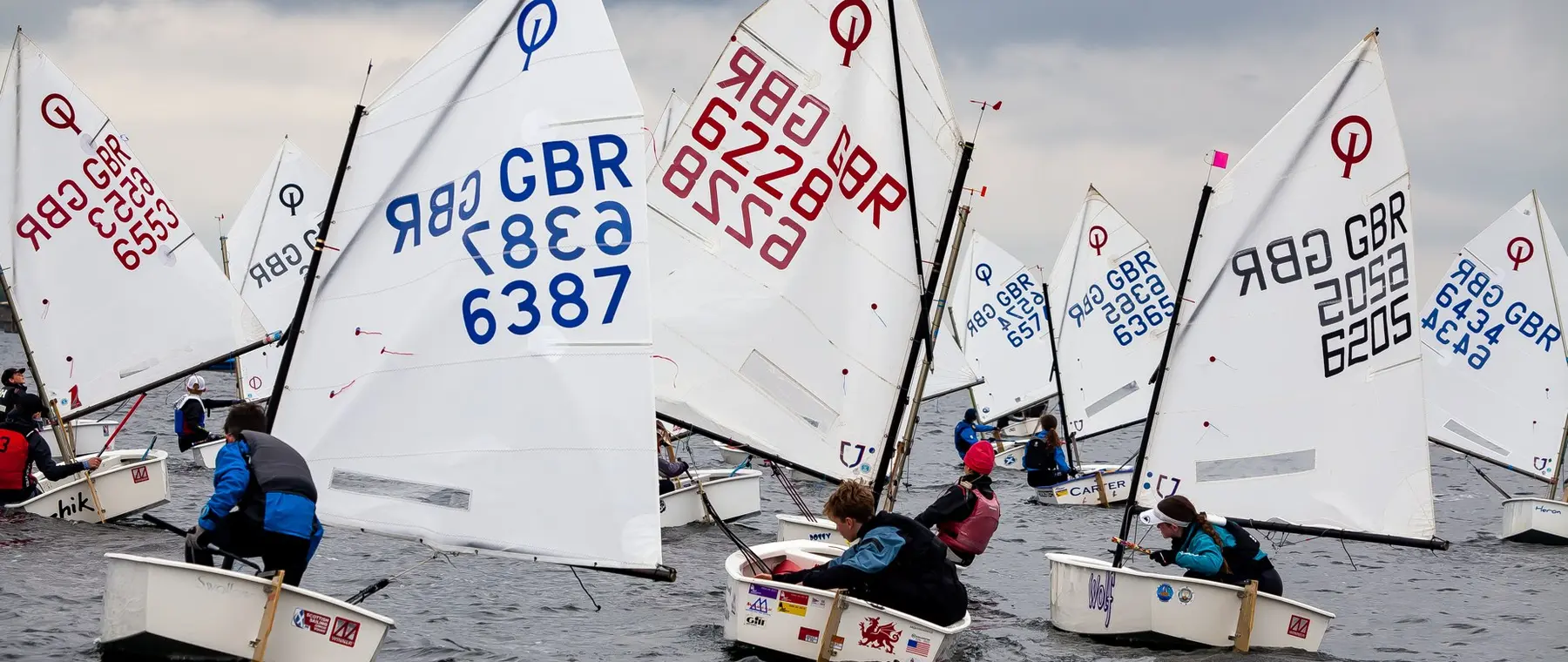
The accompanying photograph is the genuine RYA image of Optimist dinghy sailing included in the governing body's October 2026 announcement. It illustrates one of the planned classes and is not presented as a photograph of the Malta 2027 Games, which have not yet occurred. Original photographic copyright remains with the RYA and its photographer as applicable. The story's principal source is the RYA's public announcement on 29 October 2026, including the deadline, class details, venue and provisional selection timetable. No claim is made that the publisher has independently confirmed an applicant's eligibility or received private selection information.
The significance of Malta 2027
The Commonwealth Youth Games will add a distinctive target for young dinghy sailors if the planned programme proceeds as announced. Malta's Mellieħa Bay will provide the setting for an event that connects international representation with two classes familiar to grassroots sailing clubs. The pathway is already moving through the expression-of-interest stage, but an application remains only the first step. Its importance lies in creating an opportunity for eligible sailors to aspire to a new multisport competition, while coaches and governing bodies maintain sensible development and selection practices. That is substantial small-boat news in its own right. The eventual competitors and results belong to future reporting, not to an announcement about the beginning of the process.
Sources and image attribution
Primary reported announcement: https://www.rya.org.uk/news/commonwealth-youth-games-expression-of-interest-open/.
Official photographic provenance: https://www.rya.org.uk/news/commonwealth-youth-games-expression-of-interest-open/. Image supplied by the originating organisation, credited in the photograph title; original copyright remains with the rights holder. Official image file. The photographs are documentary or clearly labelled archival illustrations, not evidence of events that have yet to happen.