An awning system designed to disappear when stowed
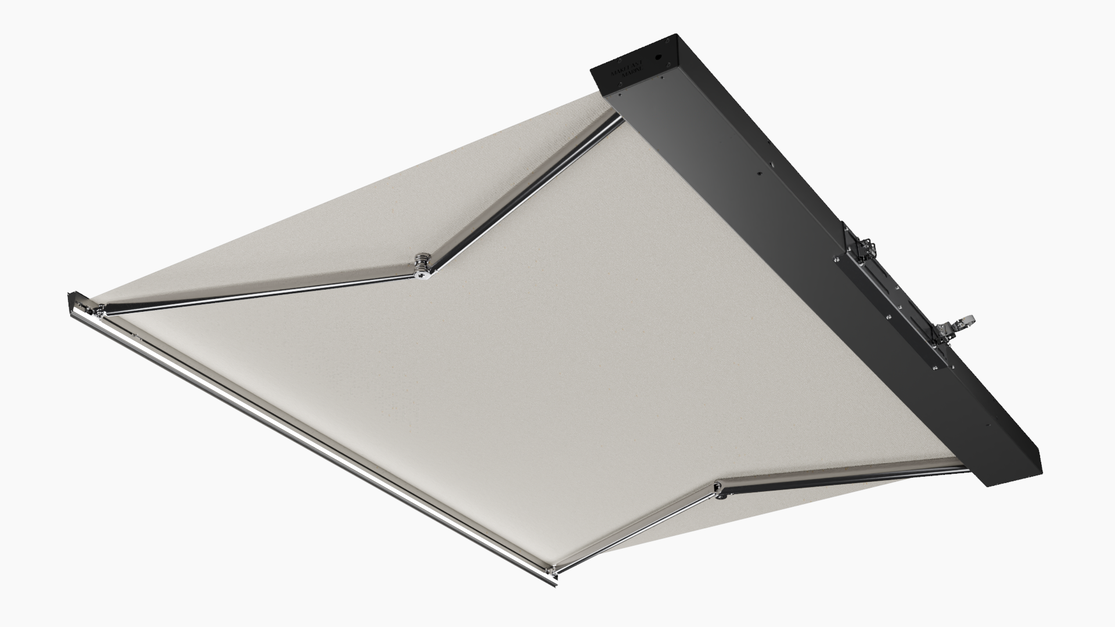
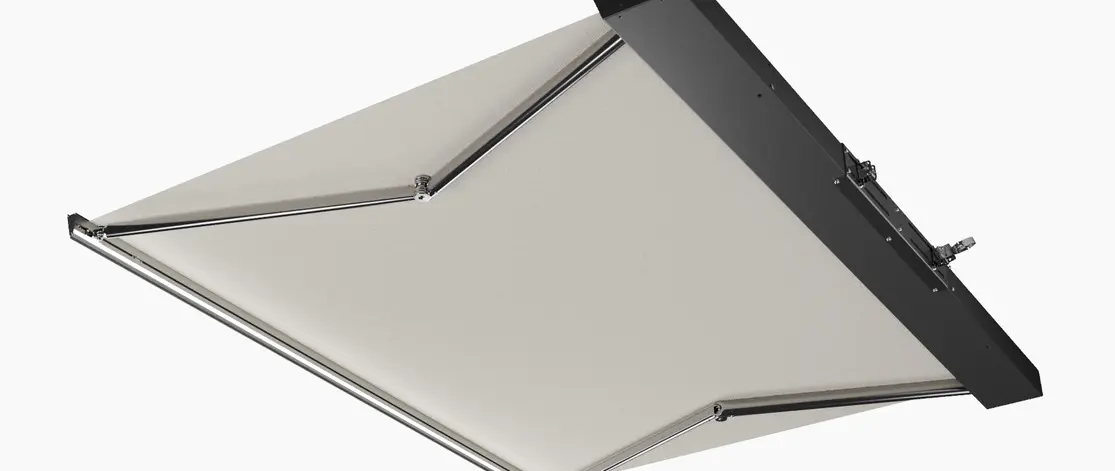
British marine equipment manufacturer Makefast is presenting a retractable cassette awning through its current METSTRADE exhibitor catalogue, offering a combination of custom sizing, multiple mounting methods, integrated LED valance lighting and an optional solar-charged battery. The first-party product listing was released on 18 November 2025 and remains available during the 2026 exhibition programme. It is therefore a current equipment review rather than a claim that the system launched for the first time on 23 November 2026. For owners of small recreational cruisers and motorboats below twelve metres, cockpit shade can make a significant difference to how comfortably the boat is used during hot weather. But the equipment cannot be judged only by the appearance of its extended fabric. Mounting strength, wind limits, electrical supply and space for stowage must all be considered. The supplier's general catalogue does not establish that every configuration is approved for every boat size or helm arrangement.
What the official product description confirms
Makefast identifies a fully retractable aluminium cassette, custom dimensions and a range of installation arrangements. It also lists optional solar-assisted power and LED lighting built into the valance. The phrase optional matters: the public description does not prove that every awning is fitted with its own solar panel, battery or lights. Nor does it specify exact extension, wind rating, current draw or maximum dimensions in the short listing. A boat owner should request the current engineering specifications for the intended model and confirm which functions are included in the quotation. The manufacturer presents an adaptable system, and that flexibility creates a need for a careful vessel-specific design. An awning sized for a large motor yacht may not be suitable for a compact sport cruiser without changes. Good procurement begins with the underlying structure and use case.
Why shade matters on a dayboat
An open cockpit can become uncomfortable when a boat is stopped in strong sunshine. A canopy may make it easier for passengers to sit, eat or relax without remaining continuously exposed to direct light. The amount of shade produced depends on the awning's size, height and the direction of the sun. A broad overhead cover may still leave some seats exposed at low sun angles. Owners should also remember that shade does not eliminate reflected UV from the water or the need for appropriate sun protection. A retractable design allows the skipper to choose when to use the canopy, but deployment should be limited to conditions approved by the manufacturer. A useful shade system does not need to extend over every part of the deck. It should cover the areas passengers actually use while preserving safe access to controls and equipment.
A cassette changes storage and appearance
The Makefast system uses an aluminium housing to store the retractable awning when it is not in use. This may provide a neater appearance than a permanently stretched canopy and protect some elements from unnecessary exposure while stowed. However, a cassette still takes up physical space and adds weight, particularly if it contains a motorised mechanism. On a boat below twelve metres, a housing mounted over the cockpit may affect clearance, balance or access to a roof hatch. The designer should examine the proposed mounting point and the path of the fabric as it extends. Any protrusion should be checked against dockside structures, trailer height and the use of fishing rods or other accessories. A clean exterior appearance is useful, but it cannot compensate for an awning that obstructs essential functions.
The importance of custom sizing
Makefast's catalogue emphasises custom dimensions, suggesting that builders can adapt the system to different yacht structures. This is potentially attractive when a boat's cockpit does not have space for an off-the-shelf bimini frame. The owner should provide accurate measurements of the available mounting width, intended extension and the clearance beneath the canopy. It is also important to consider the height of passengers moving around the boat and any equipment carried on the roof. The fitted awning should not create sharp, low edges in a walking route. A custom design may require a more detailed engineering proposal and lead time than a basic portable cover. Owners should compare those requirements with the benefit of a tidy retracting arrangement. A design succeeds when it fits the boat's daily use rather than merely matching its lines.
Structural loads and mounting points
A deployed awning exposes fabric and supporting components to wind forces. Even a relatively light system can impose substantial loads on the supporting structure under unfavourable conditions. The manufacturer must specify the permitted wind range and what the crew should do when the weather changes. A roof or arch designed for small lighting fixtures may not have been engineered for the load from a large retractable canopy. The installer should confirm the support structure, fasteners and any need for reinforcement before drilling. It may also be necessary to consider vibration and the effects of the boat accelerating or turning. The awning should never be treated as an all-weather roof unless it has been specifically designed and approved for that purpose. The safest use includes a simple procedure for retracting it promptly when conditions deteriorate.
Solar charging and its limitations
The official description lists an optional solar-charged battery intended to support powered operation. This could make installation more convenient where running additional wiring through a finished roof would be difficult. Yet solar output depends on daylight, panel orientation, shading and battery condition. The short catalogue does not specify the number of deployments available after several sunless days or the electrical demands of each configuration. Owners should ask about battery capacity, charging provisions and the consequences of insufficient charge. If the awning cannot retract under power, there must be an approved procedure for securing it safely. A solar option should not be assumed to operate indefinitely without maintenance. Its main purpose is to support the awning mechanism rather than serve as a significant energy source for the boat's other electrical loads.
Integrated lighting in the valance
Makefast refers to LED lighting within the awning's valance. This may make a sheltered cockpit more pleasant in the evening and reduce the need to position portable lights. The intensity, beam angle and available controls should be confirmed for the selected system. A bright light in the wrong place can cause glare at the helm or interfere with the ability to see other vessels at night. Lighting should also be distinct from the navigation lights required while under way or at anchor. Decorative illumination cannot replace those safety systems. The installer should assess electrical protection and cable routing so that repeated movement of the awning does not damage wires. A successful design provides useful light without creating complicated controls or a maintenance problem in the retracting mechanism.
Comparing a cassette awning with a bimini
A conventional bimini can be simple, portable and economical, while a powered cassette may offer more integrated appearance and convenient retraction. The best choice depends on the owner's use of the boat. A family that needs shade during most summer outings may value a substantial fixed canopy, while an owner who alternates open-air cruising and sheltered time at anchor may prefer a retractable system. The price difference can be significant when custom fabrication and electrical installation are required. A bimini may also be more straightforward to repair in a small marina. Conversely, a well-installed cassette can reduce clutter from supporting frames. The comparison should consider shade coverage, operating limits, installation complexity and long-term servicing, not simply which option looks more modern.
How the boat is operated determines suitability
On a small sport cruiser, the cockpit may also be used for fishing, swimming, boarding and handling mooring lines. A deployed awning should not interfere with any of those activities. The skipper needs an unobstructed view when manoeuvring, and guests should be able to move to boarding steps and handholds safely. If the boat travels at speed, the manufacturer must identify whether the awning is permitted to remain extended; that should never be guessed from a marketing photograph. A custom system may require the owner to develop simple operating habits such as retracting it before entering a crowded marina. The most useful equipment works naturally with the boat's normal sequence of activities. If people must repeatedly change the position of other fittings to operate the awning, its practical advantage may be reduced.
Rain and drainage questions
Shade fabric is not automatically designed to withstand heavy rain. The owner should ask about any approved water resistance and the way rain is expected to drain from the extended cover. Water pooling on fabric can impose loads beyond those caused by sunshine alone. The cassette may also retain moisture if the awning is retracted while wet, creating a need for drying or inspection. The catalogue does not provide universal rain-management instructions, so those must come from the manufacturer. If the canopy is intended primarily for fair-weather shade, it should be operated on that basis. An owner who needs permanent weather protection may require a different roof or enclosure. Clear expectations prevent a shade accessory from being used in conditions for which it was not designed.
A refit on an existing small cruiser
A retractable awning may be attractive during a cockpit refit, especially where the owner wants more shade without adding a permanent framework across the deck. But fitting a cassette to an existing boat can be more complicated than specifying it during construction. The original roof may contain wiring, drainage channels or structural reinforcement that limits where fasteners can be placed. Added weight and movement must be considered, and an electrical installation may require new controls and circuit protection. A yard should survey the mounting area before ordering custom components. Owners should request drawings showing the awning both stowed and extended. This helps identify interference with windows, antennas and other equipment. Good preparation can prevent costly modifications after the product has arrived.
Maintenance and keeping the mechanism clear
A marine retractable awning operates near salt spray, sunlight and dust. The cassette, moving components and fabric require appropriate inspection, cleaning and possibly periodic servicing. Makefast's public listing does not provide all maintenance intervals, so the owner should obtain the full manual. A mechanism that begins moving unevenly should be examined rather than forced. Fabric should be checked for abrasion and seams for damage, especially near the edges that enter the cassette. If the system uses a battery, its condition and charging arrangement also need attention. The installer should leave suitable access for service without damaging surrounding trim. A beautiful integrated system becomes inconvenient if a simple repair requires dismantling much of the boat's roof.
Owner expectations for year-round use
A boat used mainly in summer may need shade more frequently than one operated in cooler climates. Long periods of winter storage create different requirements, including securing the cassette and protecting electrical components. Owners should consider whether the awning will remain on the boat throughout the year and how it is serviced when the vessel is ashore. A custom system may be costly to replace if the fabric is damaged, so spare availability and repair options are important. The intended use should be reflected in the purchase agreement and warranty documentation. An awning that suits occasional fair-weather cruising may not be designed for continuous outdoor deployment. Understanding its limitations from the outset helps owners enjoy the convenience without unnecessary repairs.
A current product, not a November 2026 debut
Makefast's cassette awning appears in the current marine equipment catalogue but was originally listed in November 2025. That distinction is important in a news report: its availability for consideration in 2026 does not mean it was introduced for the first time this week. The official description establishes a retractable aluminium cassette, custom mounting possibilities and optional solar-assisted power with LED valance lighting. For recreational boats below twelve metres, it may be an option where the structure and budget permit a carefully engineered installation. Owners should confirm dimensions, wind limits, power requirements and service arrangements before choosing it over a simpler canopy. The real benefit of a retractable awning is making an outdoor cockpit more versatile, provided the system remains safe, easy to use and practical to maintain.
Original industry sources and image credits
Reporting based on Makefast Ltd first-party Cassette awning manufacturer listing originally dated 18 November 2025, currently available in 2026 METSTRADE product directory.
Lead image: Makefast Retractable Cassette Awning Adds Solar-Assisted Shade to Leisure Boat Decks — original producer product photograph. © Makefast Ltd. Original supplier image.