Lymington Yacht Haven is preparing to offer refurbished office and workshop accommodation to a marine business from March 2027, adding a potential new service-provider location within one of the Western Solent's established boating centres. The marina's operator, Yacht Havens Group, announced the project in a British Marine report dated 18 November 2026. The proposal concerns two adjoining units with approximately 1,360 square feet of space, including a shared office and workshop arrangement. Although the development is a commercial property announcement, it matters to small-boat owners because the businesses located inside a marina affect access to repairs, parts, advice and other services. The operator is looking for an appropriate tenant; the report does not identify a confirmed incoming business.
Why a marina workshop matters to boat owners
A marina is more than a collection of berths. Leisure boat owners regularly need assistance with routine maintenance, equipment upgrades, upholstery, rigging, electrical faults, engine servicing and insurance inspections. Having a useful marine business on the same site can reduce the time required to arrange repairs and make it easier for specialists to reach vessels. Not every service needs to be physically located within the marina, but proximity can be valuable when a boat is ashore for a short period or an owner is making a brief visit. Lymington Yacht Haven's refurbishment is therefore potentially relevant to people with small sailing cruisers, motorboats and day boats, even though the immediate customer for the property will be a commercial tenant.
Two units provide room for different tasks
Yacht Havens describes two adjoining refurbished units offering around 1,360 square feet of offices and workshops. An open-plan area is intended to accommodate five or six workstations, with two additional glass-fronted offices or meeting rooms. The description also includes skylights, a WC, kitchenette access, a storeroom and a generous external frontage. These details suggest a layout that could combine customer-facing conversations with administrative or technical work. However, the announcement does not publish a complete floor plan, the permitted industrial uses or the dimensions of each workshop area. Businesses considering the property should ask for those details before deciding whether the premises meet their requirements.
A sales office could be one possible use
Group Operations Director Rupert Wagstaff identifies new-boat sales as a possible fit for the premises. A sales operation may need suitable meeting rooms, a place for staff to work and proximity to boats that customers wish to inspect. In a marina, a prospective buyer can potentially view a vessel and discuss the specification during the same visit. That convenience depends on the individual business and availability of display or demonstration berths, which are not promised by the announcement. A showroom is not automatically included simply because the premises have an attractive frontage. A boat dealer considering the space should seek clarity about exterior displays, signage and any arrangements for conducting sea trials.
Technical services could also benefit
The property may suit a business that wants its office and operational activities in a single location. For a smaller marine engineering company or specialist supplier, this could simplify coordination between workshop staff and customer-facing administration. Owners of leisure boats often value a clear point of contact and reliable information about when repairs will be completed. The presence of a workshop does not itself establish the electrical power supply, ventilation, drainage or waste-handling provisions needed for every activity. Prospective tenants must verify whether their work is permitted and whether necessary environmental or safety systems are available. Activities involving fuel, paint or hazardous substances may have requirements beyond those of a conventional office.
Lymington's sailing community provides a market
Lymington has a long association with sailing and the Western Solent. Its waterfront brings together local boat owners, visiting crews, yacht clubs, chandlers and maintenance businesses. Yacht Havens considers the combination attractive for an established or growing marine enterprise. That may be particularly true for services required frequently by locally based owners, such as minor engineering, boat electronics and sailing equipment. A potential tenant should still conduct independent market research rather than assume that every visitor is a likely customer. The number of berths and the character of the boating community provide useful context, but business success depends on pricing, competence, reputation and the demand for the specific service offered.
The marina is an established operation
The British Marine report states that Lymington Yacht Haven accommodates more than 650 boats annually and welcomes approximately 3,000 visiting boats each year. Those figures, provided by the operator, indicate the level of boating activity around the site. They should not be treated as precise forecasts of customers for a future tenant, and the announcement does not set out a year-by-year trend. Visitors may stay for a short period or arrive only to use a berth, while many annual customers will already have established service providers. Nevertheless, a marina with substantial resident and visiting traffic offers an environment in which a specialist marine business can become visible to a relevant audience.
Boatyard facilities make a difference
Yacht Havens describes a boatyard capable of handling vessels up to 60 tonnes, along with an on-water fuel station and 24-hour staffing. These are broader marina capabilities, not a guarantee that every new tenant will be permitted to use all facilities without a separate arrangement. The presence of boatyard services can make it easier for qualified contractors to reach boats ashore, but access may depend on insurance, safety rules and booking. Owners planning work on a small boat should confirm whether the marina or the chosen service provider controls the particular task. A tenant's location inside the marina does not automatically create an unrestricted right to operate on every vessel or in every part of the yard.
Workshop access must be practical
A workshop can be inconvenient even in a good location if large parts cannot be delivered safely or heavy equipment cannot be moved to the appropriate area. Interested businesses should assess access for vans, loading, storage and staff parking. The announcement mentions dedicated parking for staff and visitors, which is a useful feature in a busy waterside setting. Yet a marine mechanic or rigger may require more than ordinary parking: materials, tools and equipment sometimes need secure movement between the building, the quay and the yard. The exact arrangements should be checked on site. A well-designed workshop relationship with the marina can improve efficiency, but only if everyday logistics have been considered.
Refurbishment offers a chance to modernise
The operator says a substantial refurbishment will take place during the winter before the proposed March 2027 availability. Renovating existing premises can give a marina more flexible commercial space without necessarily developing another waterfront site. The announcement does not provide a detailed construction schedule or a guaranteed completion date beyond the availability target. Prospective tenants should ask about the condition at handover, lease obligations and any fit-out work they must arrange themselves. A newly decorated office is not necessarily a fully equipped workshop. Electrical capacity, heating, broadband connectivity, security and the ability to accommodate marine-specific tools may be just as important as the finish of meeting rooms.
The Western Solent location is important
Lymington gives marine businesses access to a well-known sailing area that includes the western reaches of the Solent and routes towards the Isle of Wight. The region attracts owners who cruise locally and those passing between the Channel and other ports. This helps explain the operator's interest in finding a tenant that adds value for boaters. Geography remains only one part of the business decision. A customer needing urgent repairs will also consider price, communication, qualifications and whether the service can be provided within a suitable timeframe. For visiting crews, knowing that competent specialists are available locally can be useful, but availability should be confirmed before a passage depends on it.
Transport connections may support staff and customers
British Marine identifies rail access via Brockenhurst and road connections towards airports in Southampton and Bournemouth. Such links can matter to businesses whose customers do not live in Lymington or whose staff travel between marine sites. However, a property listing's broad reference to transport should not be used as a guarantee of a particular journey time on a busy day. Staff recruitment also depends on local housing, commuting costs and the availability of relevant skills. Marine enterprises often need employees with specialised technical experience, and proximity to a large boating community can be advantageous only if suitable workers can be found and retained.
Choosing the right tenant matters to the marina
The operator has not announced that it will select the first bidder or that the premises are reserved for one type of company. Wagstaff says the aim is to find an appropriate business for the community. That implies a balancing exercise: a tenant must be commercially viable while also fitting the marina's requirements and the needs of boaters. A workshop generating significant noise or vehicle movements may present different challenges from a professional brokerage office. The applicant and landlord should discuss operating hours, waste arrangements, insurance and permitted activities before entering a contract. The most useful tenant may be one that strengthens services already available without merely duplicating every established business.
The Yacht Havens Group provides wider context
Lymington Yacht Haven belongs to the family-owned Yacht Havens Group, founded in 1972. The company reports operating more than 4,000 berths and hosting over 250 tenant businesses across its marina locations. Those figures place the individual refurbishment within a larger network of boating facilities and commercial relationships. They do not establish that the new Lymington units will become part of a coordinated nationwide service business. Each tenant remains responsible for its own customers and obligations. The group's experience may help the landlord understand the needs of marine businesses, but prospective tenants should judge the actual premises, costs and conditions rather than relying only on the scale of the parent organisation.
An opportunity for specialist small-boat services
Many leisure boat owners need competent suppliers who understand the difference between fitting equipment in a house and installing it on a vessel exposed to vibration, water and corrosion. A workshop located close to boats can be useful to specialists dealing with batteries, electronics, pumps, running rigging or outboard maintenance. Those services are examples of possible businesses, not confirmed occupants of the new units. The property must be assessed against each use, and relevant professional standards remain essential. In an ideal arrangement, the new space could help owners complete work efficiently while providing the tenant with a clear customer base and professional environment.
The March 2027 date should be treated as prospective
The refurbishment announcement identifies March 2027 as the anticipated availability. It does not say that construction has already finished or that a tenant has signed a lease. Anyone considering a move should obtain an updated schedule, draft terms and confirmation of the condition in which the premises will be delivered. The associated costs may include rent, business rates, service charges, utilities and the expense of fitting out the workshop. None of those amounts are specified in the report. A sound commercial decision requires current written information rather than an assumption that a broadly described opportunity is ready for occupation. Owners, meanwhile, should not plan repairs around a business that has not yet been named.
More services can improve the boating experience
Lymington Yacht Haven's planned office and workshop refurbishment is a modest development in physical terms, but it may influence the everyday services available to people using the marina. The proposed space combines administrative and technical functions in a location with an active boating community and established marina infrastructure. Its ultimate significance will depend on who occupies the units, how they serve customers and whether the refurbishment produces genuinely suitable working conditions. For Leisure Boat Guide readers, the November 2026 announcement offers a useful reminder that the quality of small-boat ownership depends on the businesses and people supporting vessels ashore, not simply on the boats themselves.
Official sources and photography
Reporting independently based on Official primary issuer announcement.
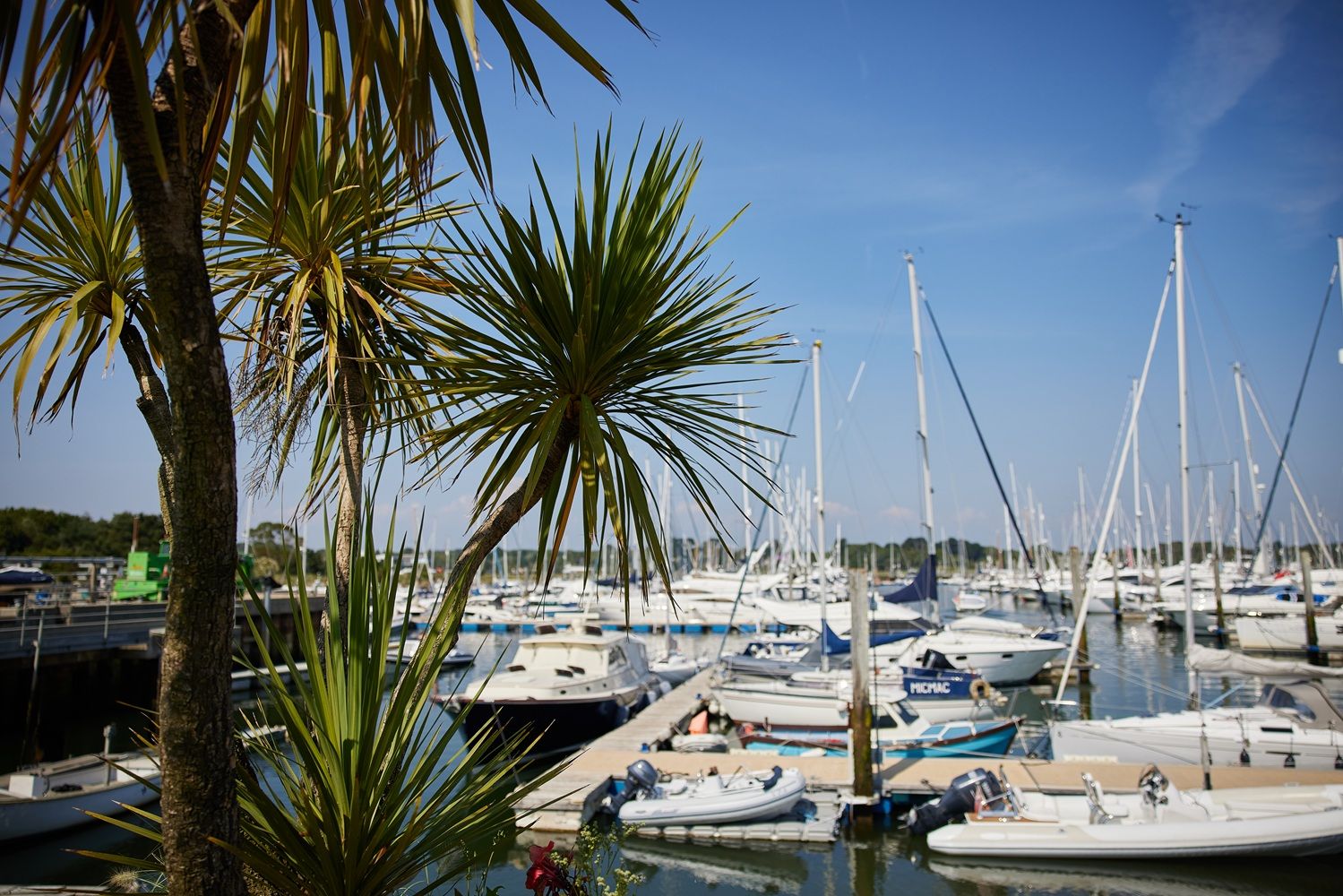
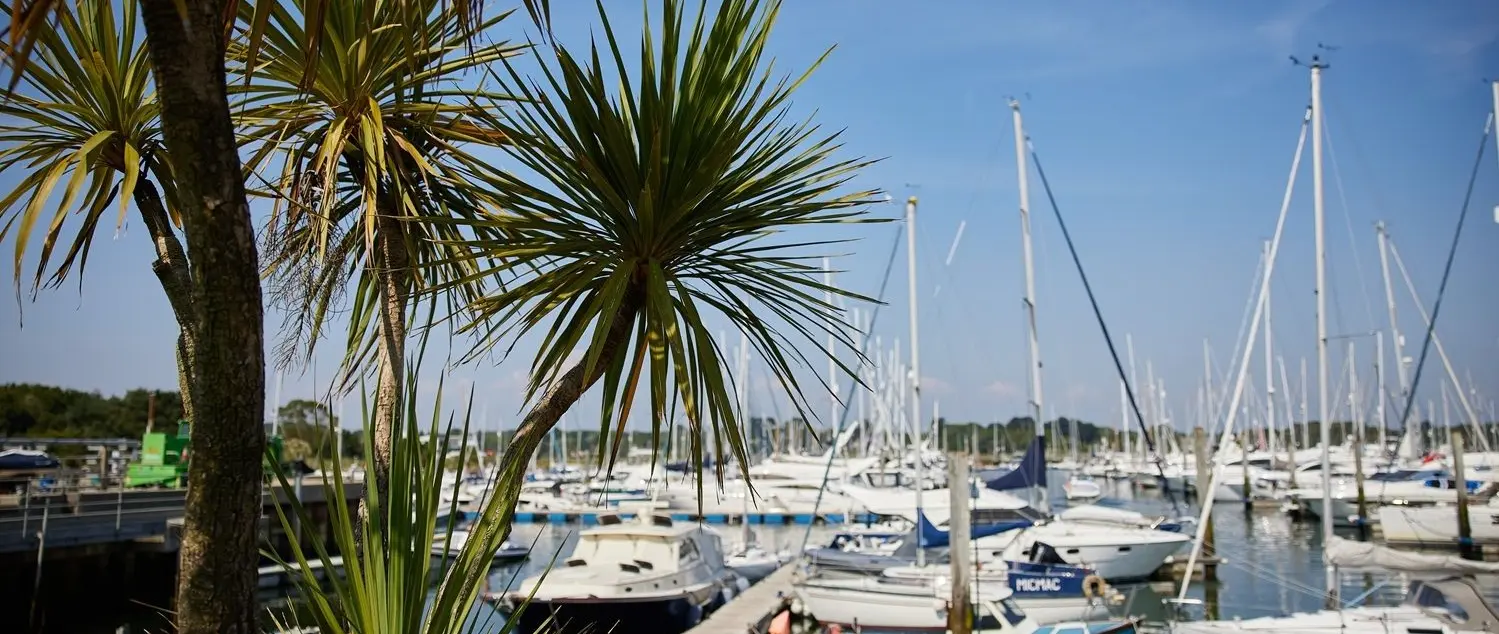
Official source product photograph: Lymington Yacht Haven marina and moored sailing boats on the Western Solent, original Yacht Havens operator press photograph illustrating site location. Original image rights remain with the source publisher and photographer. Official press-image source.