
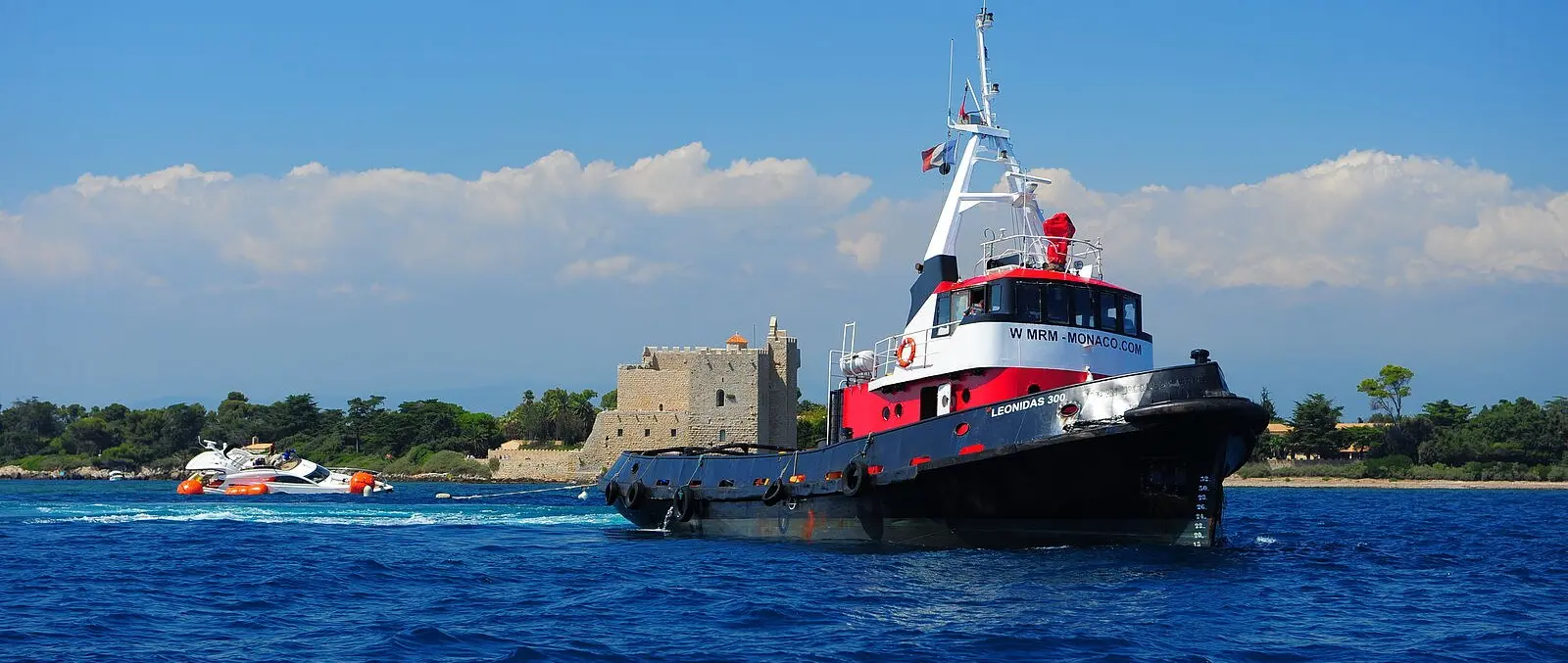
An emergency with financial consequences
Pantaenius has published a grounding case in which commercial decisions became important after the immediate rescue. The account illustrates how a damaged vessel may face salvage negotiations as well as repair work.
The lesson applies to small recreational boats as well as larger yachts, though the legal facts vary by incident. It is an insurer’s case study, not legal advice for every jurisdiction.
Insurance documents during the response
In the case, a salvor requested the vessel’s insurance details and the captain supplied them. The insurer explains why disclosing insured value may affect later commercial discussions.
The immediate safety of people and the environment comes first in an emergency. Questions about documentation and financial terms should be referred to the appropriate adviser wherever circumstances permit.
Towing and salvage are different
A routine assistance tow is not necessarily the same as a professional salvage operation. Salvage claims may depend on risk, success and the circumstances of the response.
The cost need not be a simple hourly towing charge. Owners should understand the assistance cover and notification requirements in their own policy.
Preparing before an incident
Keeping emergency contact numbers and insurance procedures accessible can reduce decisions made under pressure. Crew should know whom to contact once immediate danger has been addressed.
Pantaenius’s official report and case illustration document the example. Specific contractual or legal decisions need guidance from the insurer and qualified professionals.