Recognition for the people who keep small-boat sailing open
Neyland Yacht Club volunteer Gavin Sims has received an RYA Cymru Wales and Hwylio Cymru Impact Award in recognition of his long-standing contribution to sailing in Pembrokeshire. The Royal Yachting Association announced the award on 25 November 2026, highlighting Sims's work in junior coaching, dinghy racing, boat maintenance and making the club accessible to sailors of different ages. The recognition is more than an individual honour. It draws attention to the work needed to make small-boat sailing affordable and dependable at community level, where an experienced volunteer may repair equipment, support a training session and help a family find its first opportunity to get afloat. Those tasks may be less visible than an event result, but they often determine whether a sailing club can continue serving its community.
A nomination from someone who witnessed the difference
The nomination came from club member Rebecca Bell, whose children had benefited from Sims's time and encouragement. The association describes his willingness to help and his consistent efforts to ensure that others can take part. A community award based on that experience has a different character from a racing title. It is intended to acknowledge sustained contribution to the opportunities available to other people, not to measure a volunteer against a numerical performance standard. The published account does not provide an exact count of people he has coached or a financial value for his unpaid work, and none should be invented. Its verified basis is the testimony and recognition reported by the relevant sailing authority.
Neyland's role within the local sailing network
Neyland Yacht Club operates on the Milford Haven waterway in west Wales, offering racing and cruising alongside recognised training. The RYA identifies it as an RYA Recognised Training Centre and one of four Hwylio Cymru Pathway Clubs. Those designations help explain why sustained volunteer support matters. A training centre needs functioning boats, appropriate instruction and clear procedures. A pathway club also seeks to provide young sailors with opportunities to progress beyond their first sessions, including coaching and participation in events. A successful programme depends on people who can arrange the practical details of getting afloat. The award illustrates how a volunteer can contribute across these different parts of the same organisation.
A naval architect with a hands-on background
Sims is a naval architect and technical manager at Mainstay Marine Solutions, according to the RYA's profile. His professional experience is relevant because volunteer activity at a dinghy club can include practical work on small craft, equipment and maintenance. Expertise in marine design does not automatically replace the club's formal safety management or the requirements of trained instructors, but it can be valuable when combined with experience as a sailor. The association describes Sims helping with boat upkeep and supporting others with technical tasks. For a club trying to keep training craft ready through a busy season, a dependable maintenance volunteer can make a real difference. The work may not attract much publicity until something goes wrong or equipment is unavailable.
His own family helped deepen his involvement
The RYA reports that Sims became more active in youth and junior sailing when his own children developed an interest in the sport. This is a familiar route into volunteering: families initially join for recreational activity and then discover that the quality of a club depends on people willing to organise, teach and maintain things. Sims also served as Rear Commodore Dinghy or Dinghy Captain for three years and continues to support that function. Such roles typically involve coordination as well as sailing knowledge, though exact duties vary among clubs. The important documented point is that his contribution has extended from practical help to sustained leadership and coaching support. The award recognises that broad engagement rather than a single isolated task.
The Pathway Club connection
As a Hwylio Cymru Pathway Club, Neyland provides local coaching opportunities for young sailors. The Welsh governing body says Sims has helped aspiring racers attend training and events outside the club. Travelling to competitions can be demanding for families because boats, equipment, transport and schedules must all be coordinated. Volunteers can make participation more feasible by explaining the process, sharing experience and providing support before an event. The award report does not say that the club funds every journey or that any particular sailor has achieved a professional result as a consequence. It shows a practical approach to development: help young people access the next step while preserving a welcoming local base where they can practise.
Mirror dinghies gave families a route into sailing
The RYA traces Sims's early interest in sailing through Pembrokeshire Yacht Club and family connections with the former Neyland Sailing Club. It recalls the popularity of Mirror dinghies around Milford Haven when families could build the Jack Holt-designed boats themselves. This history offers a useful perspective on why modest craft matter to the wider boating industry. Small dinghies can introduce several generations to seamanship without requiring the infrastructure associated with large vessels. They can also create a tradition of teaching and practical repair within a club. The conditions of today's market are different from the era of widespread home-building, but affordability and access remain central questions for organisations seeking to attract new participants.
The Cherub added an interest in development
During his university years, Sims raced the Cherub, a class associated with development and experimentation. The RYA says this influenced his interest in how small boats work and how sailors can make them faster. He later returned to the Neyland area and encouraged others to race Cherubs, helping create a significant local fleet for a period. A development dinghy can offer an especially hands-on understanding of rigging, boat setup and performance. Yet practical experimentation should always be distinguished from a claim that every sailor needs to become a designer. Some people enjoy the technical problem; others are motivated by social sailing or the pleasure of being afloat. A strong club has room for those different interests.
Coaching is about more than competitive results
Junior coaching can help a sailor develop confidence, boat control, rules knowledge and judgement about conditions. Competitive success may follow, but it should not be the only measure of a youth programme. The award profile emphasises Sims's satisfaction in seeing children become competent and enjoy the challenge of racing. That statement points to a broader benefit: learning to make decisions independently while still operating within a supported environment. Young sailors also observe how experienced club members behave, prepare boats and respond when someone needs assistance. Those habits can influence attitudes to safety and cooperation well beyond a particular dinghy class. Volunteers who model dependable conduct can be as important as the techniques they teach.
The work behind a race day
A small-boat club's race programme relies on equipment and volunteers that spectators may not notice. Safety boats need crews and preparation; marks need positioning; competitors need access to their dinghies; someone must manage notices and timing. The RYA does not detail Sims's involvement in every one of those tasks, so they should not be attributed to him individually. They do, however, help explain why a volunteer who has combined maintenance, club leadership and coaching makes a substantial contribution. When those activities are shared by several experienced members, a club can offer more reliable opportunities. That, in turn, helps participants build confidence and makes it easier for new families to become involved.
Recognition can help sustain volunteering
Community organisations depend on people who regularly give their time while balancing employment and family responsibilities. Awards do not replace fair workloads, clear roles or practical support, but they can make otherwise invisible contributions visible. The RYA Cymru Wales Impact Awards are intended to recognise those who enable people to enjoy the water. The programme is connected with a wider strategy around participation and welcoming communities. It would be an overstatement to say a single award solves a club's recruitment or retention problems. It can, however, encourage a useful conversation about how responsibilities are shared and how experienced volunteers mentor newer members who might one day take over.
A club that welcomes cruising as well as racing
Neyland Yacht Club is described by the RYA as offering both racing and cruising. This matters because an organisation focused exclusively on competitive results can struggle to include people whose interests or abilities differ. Small-boat cruising, informal sailing and training may provide routes for members who do not want to race every weekend. Sims's own varied sailing history reflects that breadth. The role of a community club is not simply to produce champions, although racing opportunities are valuable. It is also to help people enjoy boating safely and build relationships around a common activity. A recognition programme based on inclusive participation acknowledges those goals.
Technical knowledge and good seamanship reinforce each other
Understanding how a dinghy is built can help a sailor identify wear, rigging problems and limits of equipment. But technical ability must be combined with attention to conditions, safety procedures and the judgement of instructors or those responsible for an event. The RYA's account of Sims emphasises both his interest in boat design and his commitment to good seamanship. That pairing is particularly relevant to younger sailors who may be fascinated by speed or racing modifications. Learning when to inspect a fitting, when to seek advice and when to stay ashore contributes to a safer culture. Clubs benefit when experienced members are willing to share such knowledge patiently rather than treating it as private expertise.
The cycle of support can span generations
Sims has spoken about the people who helped him when he was a young sailor and his hope that today's juniors will later support others in the same way. That idea captures how community sailing can sustain itself over decades. Facilities and boats are important, but a club also needs people willing to pass on knowledge, encouragement and time. Former juniors may eventually coach, volunteer for race committees or help maintain the fleet. Such a progression cannot be guaranteed, and not every participant will take the same route. The aim is to create an environment in which returning to help feels natural and worthwhile. This is a meaningful part of the award's message.
What the official account confirms
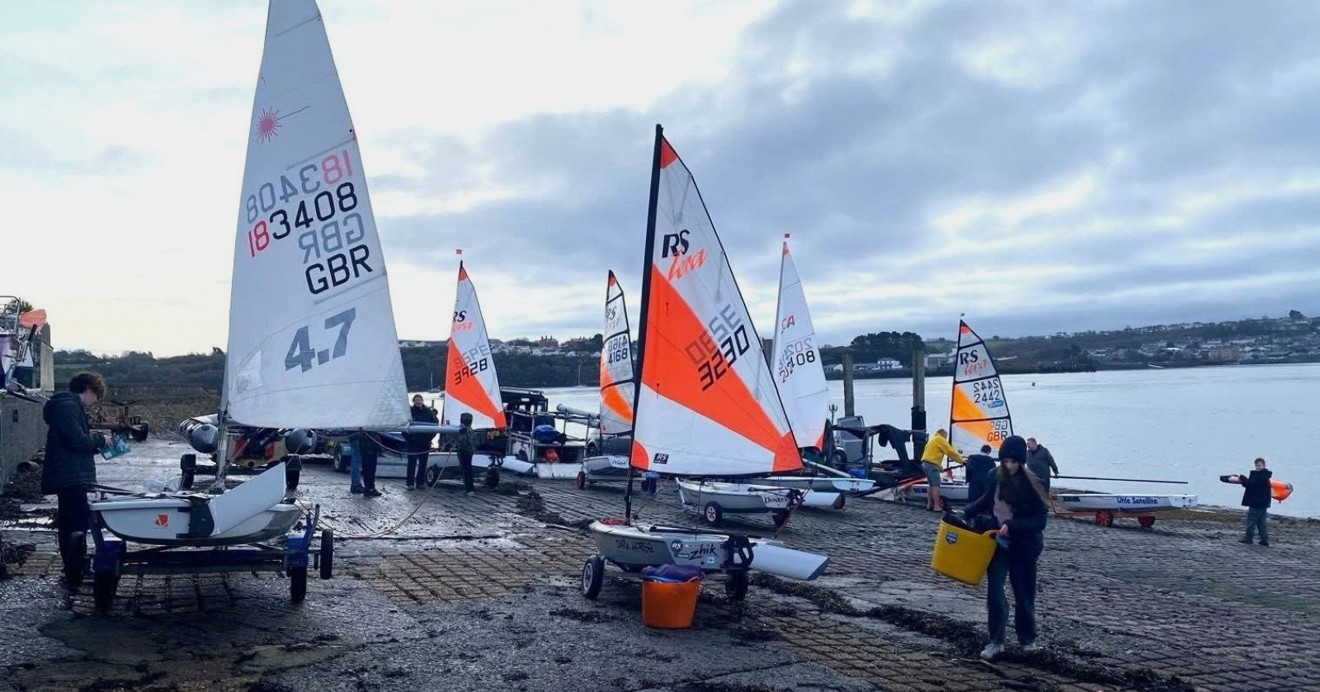
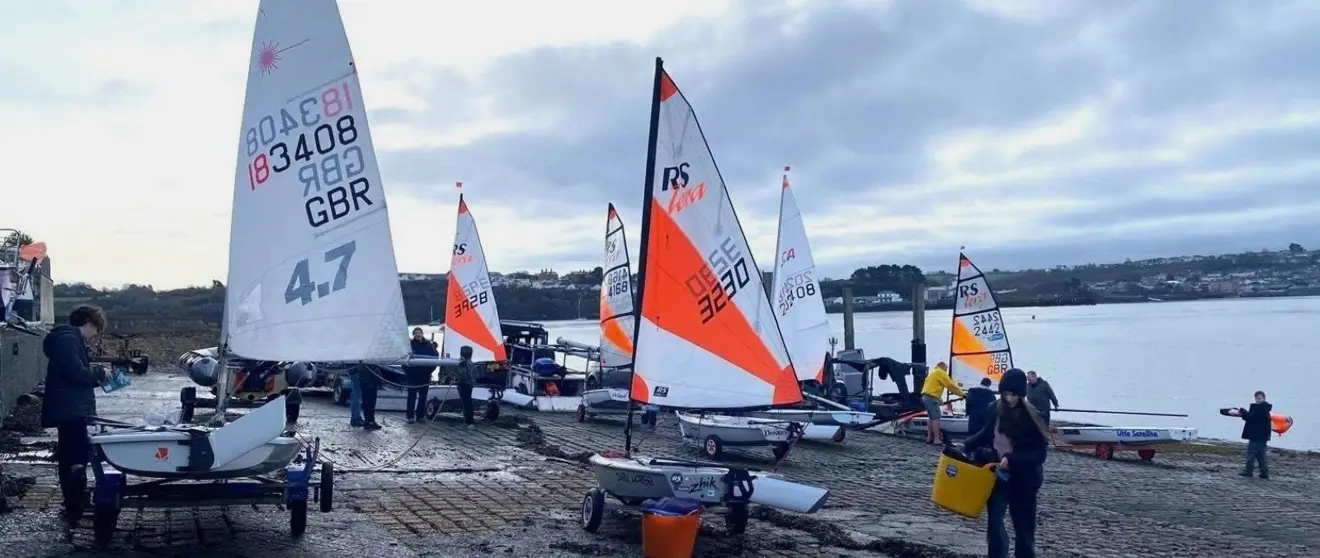
The [RYA's 25 November 2026 announcement](https://www.rya.org.uk/news/cw-impact-award-gavin-sims/) names Gavin Sims as a recipient of a Welsh Sailing Impact Award and documents his involvement in youth coaching, maintenance, Neyland Yacht Club leadership and the Hwylio Cymru Pathway programme. The accompanying photograph shows pathway training at Neyland, not a staged portrait of an unrelated sailor or an event that has not occurred. No unverified financial claims, individual student results or additional awards are asserted. For the small-boat community, the story highlights an essential ingredient of participation: experienced people who provide the practical support that allows a new sailor to get on the water and return with confidence.
Original industry sources and image credits
Reporting based on Original first-party Royal Yachting Association dated club and small-boat report.
Lead image: Official RYA photograph of Neyland Yacht Club junior and pathway small-boat sailing activity. © RYA Cymru Wales / original club photographer. Official Neyland pathway training photograph, not a posed award presentation.. Original supplier image.