
A regional weekend with several separate titles
Nelson Yacht Club is preparing to host the 2026 Nelson and Marlborough Regional Championships on 5 and 6 December, bringing a wide range of centreboard and small multihull classes together for a weekend of fleet racing. Yachting New Zealand's official event calendar confirms that the regatta will also incorporate the Zephyr South Island Championship and a South Island Optimist Traveller Series meeting. The host says it is Nelson Yacht Club's turn to stage the regional championships this season. This is an entry and planning story rather than a report of completed racing, and no result or final fleet size for the December event should be invented. For small-boat sailors, the meeting offers something different from a single-class competition: one venue where juniors, dinghy racers and sailors using adapted craft can participate in their own divisions.
A provisional programme across many classes
The federation's entry lists a broad selection of small craft, including 29er, 420, A-Class, Europe dinghy, Flying Dutchman, Hansa 303, ILCA 4, ILCA 6, ILCA 7, OK Dinghy, Optimist, Paper Tiger, RS Feva, Splash, Starling, Waszp, wingfoil and Zephyr. Phase 2 and other centreboard or multihull categories are also named. This is a list of eligible or advertised classes, not a record of how many boats in each will actually attend. The variety demonstrates how different recreational and competitive disciplines can share an event while requiring their own course design and safety considerations. A foiling Waszp has different handling characteristics from an Optimist training dinghy, and a high-performance 29er crew faces different challenges from someone sailing a single-handed Zephyr. Race management must account for those distinctions.
The Zephyr title has special standing
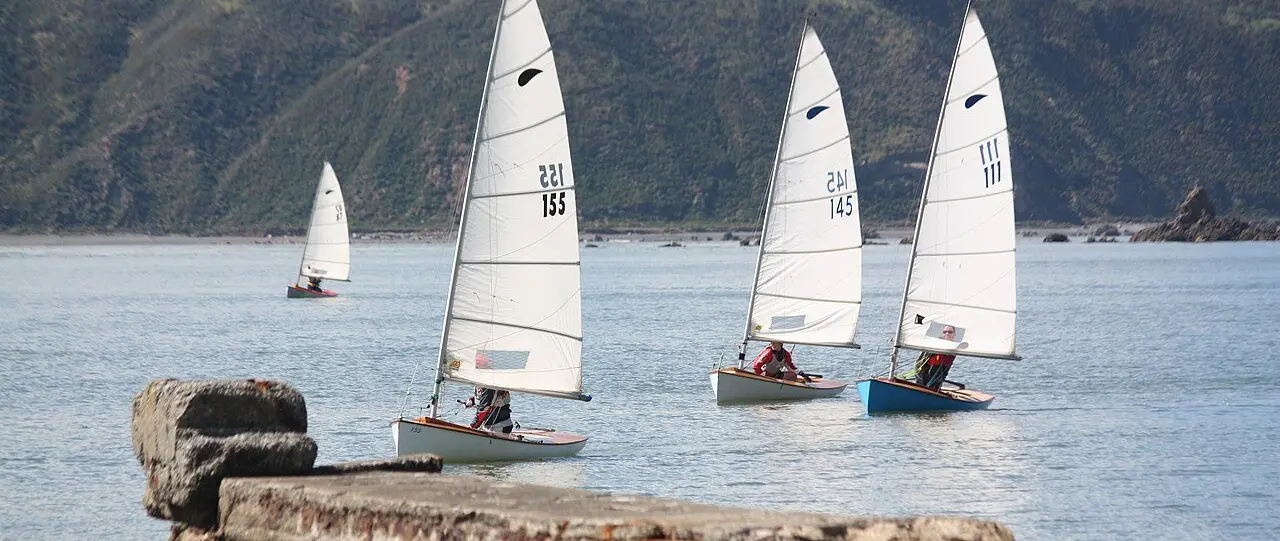
The regatta will incorporate the Zephyr South Island Championship, creating a specific title event inside the regional meeting. The Zephyr is a New Zealand dinghy class with its own community of sailors and class rules. Its inclusion may bring competitors who are particularly interested in the performance and history of that boat, rather than in the broader regional programme. The announcement does not name the defending champion or provide a seed list, so any prediction about the winner would be speculative. A championship can attract experienced competitors while remaining part of a larger social and sporting occasion. The important distinction is that a Zephyr title is not simply the same as the overall regional event, and results for one class must not be confused with those of another.
The Optimist Traveller Series supports juniors
The New Zealand International Optimist Dinghy Association's South Island Traveller Series is also part of the weekend. Optimist racing often provides young sailors with structured experiences that help them become familiar with starts, marks and tactics. A traveller event allows competitors to meet sailors from other clubs and learn to handle an unfamiliar racing environment. That can be as valuable as an individual finishing position, especially for someone early in their competitive experience. The announcement does not specify exact age categories or a final entry list for the Optimist fleet, so those details should be drawn from the event's current Notice of Race rather than assumed. The confirmed connection is that the regional championships will provide a venue for a South Island Optimist series meeting.
A shared venue does not mean a single race
A multi-class regatta normally requires separation of fleets, starts or courses according to the boats and participation expected. That may involve different warning signals, racing areas or schedules, depending on the organisers' decisions. The calendar identifies the event as fleet racing and lists numerous classes, but it does not give a complete course chart or detailed start sequence. An article should therefore avoid describing a final race-management plan that has not been published in the source. For sailors, the practical lesson is to study the instructions for their own class rather than assume that the programme followed by another boat applies to them. Even boats of similar size can have materially different speed, turning ability and safety needs.
Nelson Yacht Club takes the hosting role
The club is the organising authority for the event, with the federation describing it as the turn of Nelson Yacht Club to host the regional championships. Hosting responsibilities extend beyond the racing itself. Visiting boats need places to prepare and launch, participants need clear information and officials need suitable equipment and communication. A club also has to coordinate volunteers who can manage a busy weekend. The official calendar provides the organiser's identity but does not state the exact number of volunteers or available berths, so those claims should not be invented. The central fact is the club's commitment to bring a broad group of small-craft sailors together. Regional organisations often depend on the willingness of member clubs to take turns carrying that responsibility.
Inclusive sailing appears in the event listing
Yachting New Zealand marks the regional championship as inclusive of sailors with disabilities and includes the Hansa 303 among the named classes. The Hansa 303 is widely associated with inclusive sailing, though the exact divisions and supporting arrangements at Nelson will depend on the organisers. An inclusion note is an invitation, not proof that every required adaptation or service is already available on site. Competitors should ask about launching assistance, appropriate equipment and any needs relevant to their participation. Reporting should not make assumptions about any individual's disability or medical history. A well-planned small-boat event can offer meaningful opportunities for sailors with different experiences, but its success depends on practical details and respectful communication rather than a simple label.
What the class mix says about the sport
The variety of boats on the advertised list reflects the breadth of contemporary sailing. Traditional dinghies can race alongside more modern foiling craft within a shared regatta framework, even if they do not race each other directly. Two-person boats such as the 420 and 29er involve cooperation and timing, while an ILCA sailor manages all control decisions alone. Multihulls and foiling boards add further differences in how participants balance speed, stability and equipment. This diversity can create an educational atmosphere around the boat park, where people see unfamiliar designs and talk with sailors from other classes. The official calendar does not claim any formal equipment exhibition, so the benefits of that exchange remain an observation about a shared event rather than a promised feature.
Weather planning is essential for small boats
The South Island coastline can present varied conditions, and responsible competitors need to plan according to an up-to-date forecast and the race committee's directions. A class designed for strong breeze may still be affected by gusts or waves, while younger sailors in introductory fleets may require more conservative conditions. The event calendar does not predict the weather on 5 or 6 December. It would be wrong to announce ideal conditions or a cancellation based on assumptions made days in advance. Clubs can support participants by providing clear procedures for postponements, launch control and safety cover. Skippers and crews must still ensure that their own boat and personal equipment are in suitable condition. A regional championship is a serious sporting opportunity even when its boats are small.
Dates are published, but starts remain subject to notice
Yachting New Zealand lists the event from 9 am on Saturday 5 December until 5 pm on Sunday 6 December. These figures describe the calendar window; they do not establish that every class will start exactly at nine or finish at five. The detailed Notice of Race and later sailing instructions should provide the applicable schedule. The calendar says the notice will be published on the event webpage when available. Anyone making plans should consult the host club rather than rely solely on a brief announcement. The date and location are sufficiently clear for a preview, while the format and operational details require current confirmation. Maintaining that distinction helps prevent competitors from travelling with incorrect expectations.
Additional traveller events are welcomed
The calendar asks classes interested in incorporating traveller series events to contact the organisers. That suggests an opportunity for further coordination, but does not mean every proposed addition will be accepted. A traveller series may have its own ranking, eligibility and scoring arrangements. Combining one with a regional meeting can reduce travel demands for sailors who would otherwise attend two separate competitions, yet it may also complicate scheduling. Organisers have to consider the expected fleet sizes and resources before committing to extra races. The official listing confirms the Optimist Traveller Series connection and invites other enquiries. It does not establish a final list of every class association that will participate or a guaranteed programme for additional series.
Keeping costs and logistics realistic
For trailerable dinghy owners, the cost of competing can include transport, accommodation, maintenance, entry fees and time away from work or school. Those costs vary widely and are not quantified in the federation's event listing. A family bringing a single Optimist may face different arrangements from a group transporting several boats or a crew travelling with foiling equipment. The sensible approach is to check current entry fees, launch arrangements and facilities with the host. Sharing transport can sometimes be practical, but safe securing and equipment management remain essential. A regional event provides a chance for smaller clubs to bring sailors together without implying that every participant can attend on the same budget. Keeping the practical information accurate can help people make realistic decisions about joining.
Contact details from the official calendar
The event listing names Tim Fraser-Harris as the contact and provides info@nelsonyachtclub.org.nz for enquiries. That is the appropriate route for questions about entry eligibility, the Notice of Race and any accessibility or operational needs. It is more reliable than guessing details from older events hosted at the same club. The club's own event webpage is also linked from the federation calendar and should be checked for subsequent changes. As the regatta approaches, organisers may publish start times, course information or amendments that supersede an earlier preview. Readers should distinguish the original announcement from the current race documentation. Even apparently minor changes to launching or briefings can matter when many classes share a venue.
A regional event with a national development role
Regional championships provide meaningful competition between the everyday club outing and an international event. Young sailors can experience a larger fleet without necessarily travelling overseas, and experienced competitors can help sustain the class networks that support those opportunities. The Zephyr title and Optimist Traveller Series bring distinct communities to one meeting, making the event more than a generic weekend of sailing. It remains inappropriate to claim the regatta will produce national team selections unless the organising bodies have said so. The confirmed purpose is regional class racing with specific South Island championships and series components. That is sufficient to make the event relevant to the recreational and competitive small-boat audience.
A verified 5–6 December preview
As of 26 November, the confirmed facts are Nelson Yacht Club's hosting role, the first weekend of December, the broad class programme, the Zephyr South Island Championship and the NZIODA South Island Optimist Traveller Series event. The final number of entrants, class-by-class results and race conditions are not yet established. An appropriately licensed historical photograph of Zephyr dinghies may illustrate the type of craft but must not be represented as an image of the forthcoming Nelson race. Readers should check current documents and the host club's official information before attending. The larger story is a regional sailing community preparing to host an unusually varied set of small-boat fleets under a common event umbrella.
Original industry sources and image credits
Reporting based on Yachting New Zealand official event calendar.
Lead image: Historical Zephyr-class dinghies at Worser Bay Boating Club in New Zealand; NOT the 2026 Nelson regional championships. Historical contextual photograph by Somej, File:Zephyr yachts at Worser Bay Boating Club, Wellington NZ.jpg, via Wikimedia Commons. License: CC BY-SA 3.0 (https://creativecommons.org/licenses/by-sa/3.0/). Image resized for editorial display. Historical Zephyr-class dinghies at Worser Bay Boating Club in New Zealand; NOT the 2026 Nelson regional championships. Original file: https://commons.wikimedia.org/wiki/File:Zephyr_yachts_at_Worser_Bay_Boating_Club,_Wellington_NZ.jpg.. Licensed original image, author and terms.
