
Three awards celebrate inland boating businesses
British Marine has named Cafwin Cruises, Crafted Boats and ABNB as winners of its 2026 Inland Sector Awards, announced during the organisation's Inland Conference at Cranfield University. The official report, published on 19 November, says more than 120 delegates attended the event at Mitchell Hall for professional discussions and recognition of businesses serving Britain's inland waterways. Cafwin Cruises received Product or Service of the Year, Crafted Boats took the Sustainability Award, and ABNB was named Business of the Year. The award winners are expected to progress to the British Marine National Awards at the Southampton International Boat Show in 2027. These are confirmed industry recognitions, not claims that the winning companies have produced particular new leisure boats or that any vessel has been independently tested. Their relevance lies in the services, manufacturing and professional support available to recreational boat owners.
Cafwin Cruises wins the product and service category
The Product or Service of the Year distinction went to Cafwin Cruises, an organisation recognised by British Marine for its customer experience and quality of service. The award category is intended to identify innovation, value and good service within the inland sector. However, the official announcement does not publish an independent audit of every customer journey, a detailed service price list or a ranked comparison with every other inland operator. A business award is recognition from a judging process, not a guarantee that any particular boat-hire experience will match every customer's expectations. For people considering a small inland boating holiday, it is nevertheless useful to know that industry organisations are evaluating service standards as well as vessel design. The experience of a recreational trip depends on preparation, reliable support and clear communication before a boat leaves the berth.
Crafted Boats receives the sustainability distinction
Crafted Boats was recognised in the Sustainability Award category, which British Marine describes as honouring organisations that incorporate environmental responsibility into their operations and long-term business thinking. This is a broad recognition rather than an independently verified figure for emissions, material savings or fuel consumption. It would be misleading to attribute a specific technological innovation or environmental result to the company unless supporting evidence were available. The category is significant because inland boat businesses face questions about materials, maintenance, energy use and the way vessels are managed throughout their service life. A workshop that improves durability and repairability may contribute to sensible resource use, but the award announcement alone does not document particular performance metrics. The confirmed news is the industry honour, while detailed environmental claims should be assessed separately.
ABNB is named Business of the Year
The Business of the Year award went to ABNB, recognised for overall performance that British Marine says included leadership, customer service, innovation and contribution to the inland waterways sector. Unlike the sustainability and product-service categories, this distinction considers a broader view of the organisation. The announcement does not disclose financial accounts, transaction volumes or an independently audited growth rate for the company. Those figures should not be invented from the fact that it won an award. For a leisure boat owner, the interest in established marine businesses often centres on whether they provide useful advice and dependable services, particularly when buying or maintaining a vessel. The award suggests favourable industry recognition but is not a substitute for checking current terms, professional qualifications or the suitability of a particular service.
The awards were presented at Cranfield University
The 2026 conference took place at Mitchell Hall at Cranfield University and brought together more than 120 delegates. The meeting combined networking and industry discussion with an awards presentation. British Marine describes the event as an opportunity to recognise achievement across the inland waterways sector. It is not a consumer boat show, and the number of attendees should not be presented as the number of boats sold or holidaymakers taking to the water. Industry conferences serve a different purpose: operators, suppliers and professional organisations can meet to discuss business conditions and practical challenges. Those conversations may eventually lead to improvements in services, but the announcement does not provide a complete record of every discussion or a binding plan adopted by delegates. The verified event is an industry gathering with three recognised award winners.
Inland boating offers a distinct recreational experience
Inland waterways have different operating characteristics from offshore sailing or coastal motorboating. Canal and river users may need to consider locks, restricted channels, bridge clearances, currents and local navigation requirements. Vessel size and equipment vary, and some boats in the inland sector are larger than the small-craft focus of Leisure Boat Guide. The relevance of the awards to this publication is therefore primarily the network of businesses that support recreational boating, rather than a claim that all award entrants manufacture boats under twelve metres. Small craft and dayboats also depend on competent service providers, appropriate facilities and knowledgeable businesses. The industry recognition provides a useful lens through which to consider those support services without confusing different types of waterway or asserting that the same rules apply everywhere.
Services can matter as much as hardware
A boat owner or hire customer may spend relatively little time thinking about the organisations behind a journey until a problem arises. Reliable information about a vessel, straightforward booking, clear safety briefings and useful assistance can all affect the experience of recreational boating. The Cafwin Cruises recognition highlights service quality within British Marine's award framework. It does not establish that every competing company offers poor service or that one winning operator is the correct choice for all customers. A useful industry award should draw attention to practices worth considering, while consumers still make decisions based on location, vessel suitability and their own needs. The wider lesson is that the leisure boat sector includes operational expertise and customer service, not merely the design and construction of hulls.
Environmental responsibility requires evidence
Sustainability is a broad term in marine businesses, covering possible matters such as equipment lifespan, repair practices, energy use and material choices. Different operations face different opportunities and constraints. British Marine's award to Crafted Boats identifies sustainability as a recognised industry priority, but the specific evidence behind the judges' decision is not fully set out in the source used here. That limitation matters because an award title cannot support every possible claim about environmental benefit. Boat owners who want to compare products or services should seek reliable information about the actual materials and operations involved. Similarly, a manufacturer should make verifiable statements about its activities rather than rely on general branding. The award may encourage useful attention, while independent assessment remains necessary for detailed environmental conclusions.
Business leadership is about more than size
A Business of the Year category can recognise an organisation's performance in several areas without simply rewarding the largest turnover or most prominent brand. British Marine says ABNB impressed judges through its contribution and leadership as well as service standards. That does not provide enough detail to rank the company's financial strength against all other inland businesses. The award should be understood within the association's own competition and criteria. For a small marine workshop or service company, the broader lesson is that industry recognition can be based on how a business operates and serves customers, not only on the scale of the boats associated with it. A specialist firm can have significant value to the local boating community by providing expertise that might otherwise be difficult to obtain.
An annual awards pathway continues into 2027
The inland winners will be put forward for the British Marine National Awards during the Southampton International Boat Show in 2027, according to the report. This is a future progression in the awards programme, not confirmation that any of the three has already won a national prize. The distinction is important when describing achievements across different rounds of competition. A regional or sector award can create an opportunity for wider recognition, but the next stage may involve additional judging against organisations from other parts of the marine industry. It would be premature to declare a national winner or compare scores not published by the organisers. The verified story is that Cafwin Cruises, Crafted Boats and ABNB have secured their respective inland honours and are expected to represent the sector in the later national programme.
Why marine industry awards are worth reporting
Trade awards can help make smaller organisations visible beyond the communities they normally serve. In a highly specialised market, a local provider may be well regarded by customers yet little known outside its region. Recognition from an industry association offers a moment to discuss the role that such businesses play in making boating possible. It also has limitations: nomination and judging processes can vary, and not every strong business will necessarily enter. The correct approach is to identify the organiser and award category and avoid presenting the result as an objective measurement of every available service. In this case, British Marine is the source for the winners and descriptions, and the facts should remain attributed to that organisation. Reporting a sector award should inform readers without replacing their own checks when selecting a company.
Clubs and smaller boat owners rely on a supply network
An owner with a modest recreational boat may need winter storage, repairs, electrical work, insurance advice or occasional technical support. Clubs and hire organisations require service providers to keep boats available and operating responsibly. Although the three award winners have distinct business roles, their recognition illustrates that the inland sector includes many types of expertise. A report about the awards should not claim that each winning company supplies every one of those services or specialises in the same kind of craft. Their achievements sit within a broader ecosystem of marine support. Readers may draw practical value from understanding that good boating experiences often depend on the people and organisations behind the scenes. A dependable small craft is supported by professional work as well as good decisions from the skipper.
The conference's broader contribution
British Marine describes the Inland Conference as an opportunity for more than 120 people from the sector to exchange ideas and consider current industry challenges. Organisers may hope that those conversations help businesses respond to changing customer expectations, technology and operational needs. Yet the award announcement itself does not publish an agreed regulatory programme, a new mandatory safety standard or an investment figure for the sector. Those would require separate documentation. The event's verified contribution is bringing representatives together and highlighting three organisations in different award categories. A follow-up might examine how the winners develop their services or what actions emerge from later conferences, but those outcomes should not be anticipated as facts on 26 November. The limits of a single source must remain clear.
Confirmed winners and what comes next
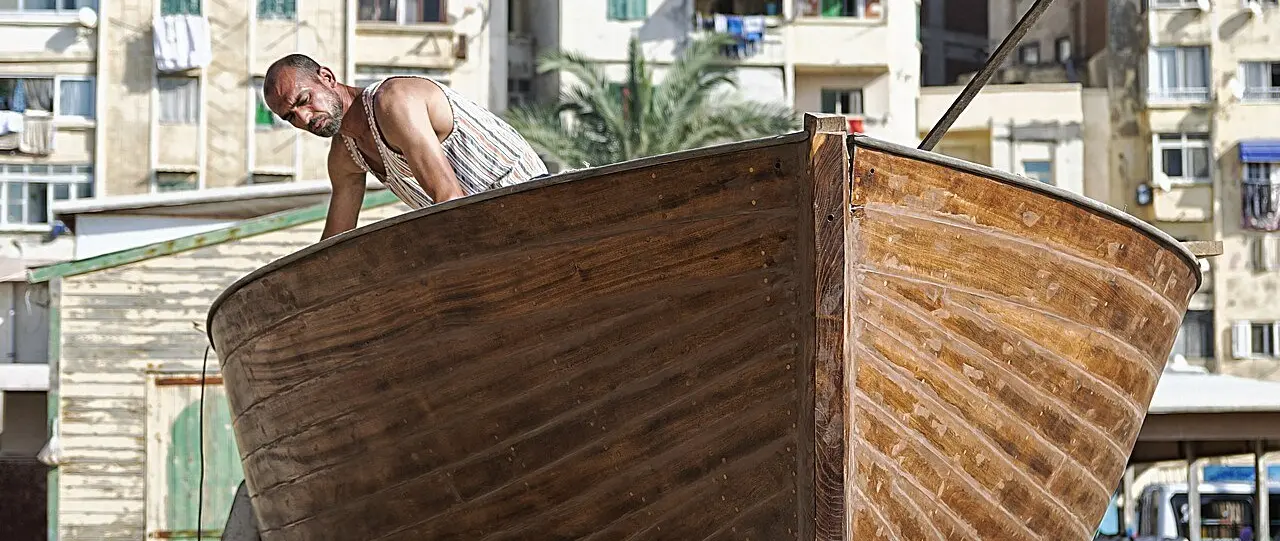
The official 2026 British Marine Inland Sector Awards results are Cafwin Cruises for Product or Service of the Year, Crafted Boats for Sustainability, and ABNB for Business of the Year. The presentation took place during the Inland Conference at Cranfield University, attended by more than 120 delegates, and the winners are expected to progress to the 2027 national awards. No boat-specific product performance, company revenue or environmental savings have been invented in this account. A licensed historical photograph of a boatbuilding workshop is an appropriate illustration only if clearly described as contextual and not represented as one of the winning businesses or the award ceremony itself. The news is a recognition of the people and services underpinning recreational inland boating, with future national results still to come.
Original industry sources and image credits
Reporting based on British Marine original industry news.
Lead image: Historical boat-building workshop photograph; NOT the 2026 British Marine Inland Sector Awards, a winning company or the Cranfield ceremony. Historical contextual photograph by Wael.kenawey, File:Boat-workshop-3.jpg, via Wikimedia Commons. License: CC BY-SA 4.0 (https://creativecommons.org/licenses/by-sa/4.0/). Image resized for editorial display. Historical boat-building workshop photograph; NOT the 2026 British Marine Inland Sector Awards, a winning company or the Cranfield ceremony. Original file: https://commons.wikimedia.org/wiki/File:Boat-workshop-3.jpg.. Licensed original image, author and terms.
