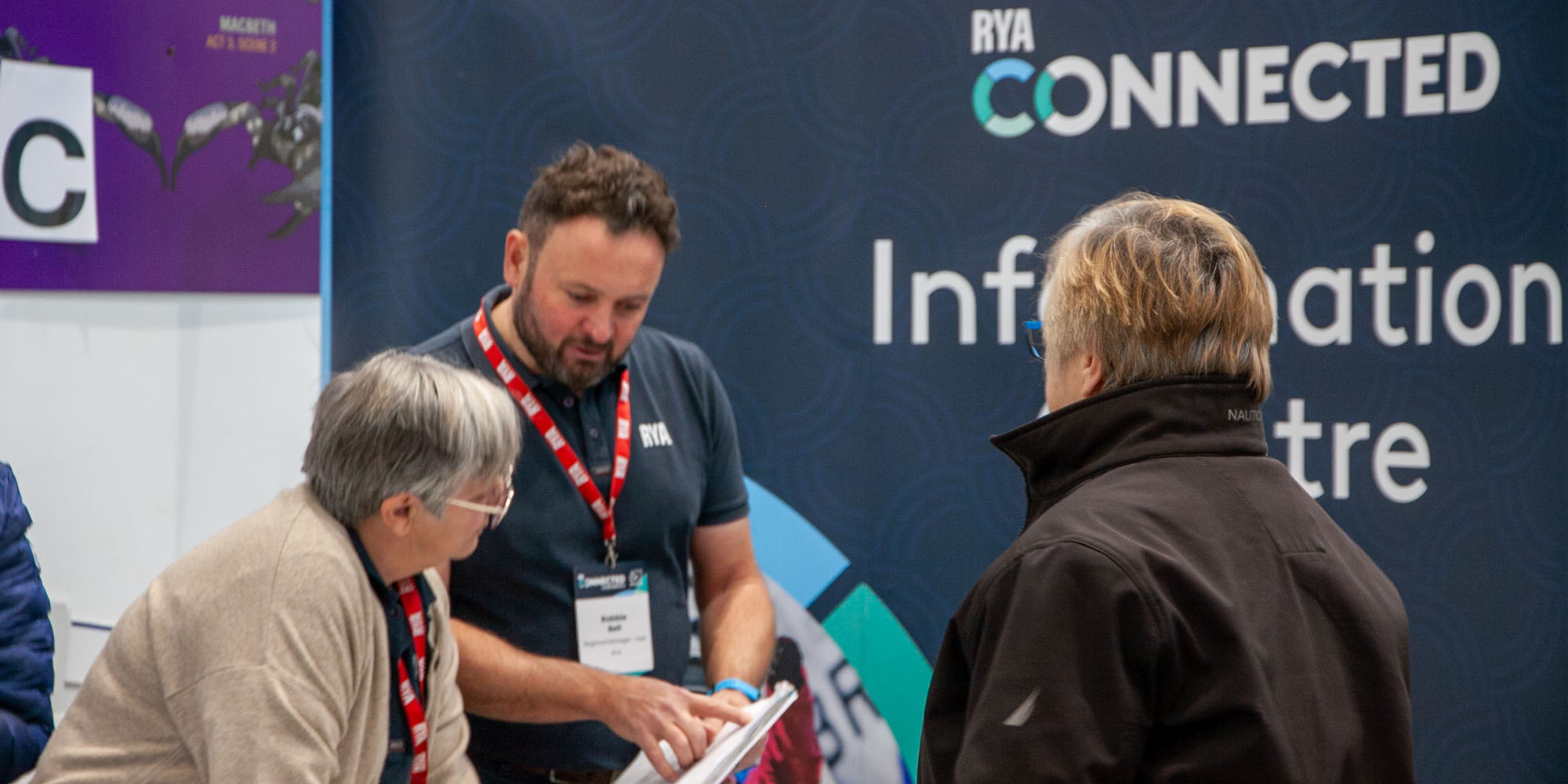
The Royal Yachting Association has confirmed a one-day Connected Conference for sailing clubs and training organisations across South West England on Saturday 28 November 2026. The programme, published on the RYA's official events website, is scheduled from 09:15 to 16:30 at The Castle School in Taunton, Somerset. Speakers and participants are due to discuss accessible sailing, junior participation, race management, training, volunteer development, safeguarding, digital tools and the environmental pressures facing clubs. The organisation names contributions from Poole Sailability, Beer Sailing Club, Lyme Regis Sea School, Weymouth Sailing Club, Axe Yacht Club and Durleigh Sailing Club. For owners and users of small leisure boats, these subjects are important because many people's first experiences afloat depend on the quality of local clubs and the availability of suitable instruction. The event is forthcoming; no conference outcomes can yet be reported as completed.
The verified date and venue
The RYA's official event listing gives Saturday 28 November as the date and identifies The Castle School, Taunton, TA1 5AU as the venue. The advertised hours are 09:15 to 16:30, with opening and closing plenaries and a combination of forums, presentations and workshops between them. The conference is described as free to RYA-affiliated organisations, subject to available places. Organisers encourage clubs to send more than one representative so that different sessions can be covered. Prospective attendees should check booking status rather than assume seats will remain available on the day. The announcement is a programme preview, not a guarantee that every invited speaker or session will proceed unchanged. The club-management topics are relevant internationally, but the event itself is a regional UK gathering.
How the day's sessions are arranged
The official description distinguishes forums, workshops and presentations. Forums are intended to allow participants to share experiences and discuss problems from different organisations. Workshops combine facilitated activities with information and practical discussion, while presentations focus on a speaker's expertise or the experience of another club. That distinction can help an attendee decide how best to use limited time. A club officer seeking practical guidance on safeguarding may choose differently from a volunteer interested in launching a new racing programme. The RYA also provides an agenda and venue access information for planning. Clubs should confirm individual session locations and timings through the current official programme before travelling.
Growing opportunities for disabled sailors
Accessibility is a major theme in the advertised programme, including a forum on expanding opportunities for disabled participants and a presentation from Poole Sailability. The organisation describes how Poole Sailability worked through uncertainty around its venue by planning a new arrangement within a local sailing club and developing the governance needed for a sustainable future. This case matters because an accessible boat is only one component of a successful programme. People also need safe boarding arrangements, trained volunteers, suitable facilities and reliable information about what support is available. A club considering inclusive sailing should consult appropriate specialists and follow current accessibility and safety guidance. The planned conference presentation may offer lessons from a real local partnership, but the results should not be assumed before the speakers have delivered their account.
Junior sailors need a continuing pathway
Getting more young people sailing is another explicit topic. The conference agenda includes both a forum on youth participation and a presentation about how Weymouth Sailing Club is engaging the next generation. Many new sailors arrive through a taster session or a school programme, but retaining them requires regular opportunities to develop skills. A club needs suitable boats, coaches, safe operating procedures and an atmosphere in which young people feel welcome. Parents also need information about schedules, membership costs and volunteer expectations. Discussions at Taunton could help clubs compare strategies, but no single approach will work for every venue. A tidal coastal club faces different practical issues from a small inland club with limited storage and rescue-boat capacity.
The value of club partnerships
The event listing names Beer Sailing Club and Lyme Regis Sea School as contributors to a session on partnership in practice. Their example is presented as cooperation that expands training opportunities and reduces pressure on volunteers. This is particularly important for smaller organisations whose members may not be able to cover every instructor qualification, safeguarding responsibility or technical role on their own. A useful partnership needs clear written arrangements, shared expectations and a way to handle changes in staffing or facilities. Clubs should establish who provides equipment, who is responsible for insurance and who supervises participants. Collaboration can allow more people to get afloat, but it should not make accountability uncertain. The presentation is a chance to learn from an actual partnership rather than relying on a general claim that cooperation is always beneficial.
Sailing clubs and the changing role of racing
The published programme includes sessions on delivering better racing, growing racing activity and supporting race teams. For many boat owners, racing provides a regular reason to maintain skills and keep a small craft in use. It also requires race officers, course-setting equipment, safety boats and a fair approach to participation. A club that wants to grow a fleet should consider the needs of beginners as well as those of experienced competitors. Rules, handicapping and the choice of events can influence whether new sailors feel able to join. Practical discussion between clubs may help identify ways to reduce barriers without compromising safety. A successful programme can include serious competition while also providing welcoming informal events and opportunities for crew members to learn.
Strengthening safety-boat teams
The RYA names a presentation on strengthening safety-boat teams, which is directly relevant to dinghy schools, regattas and other organised small-craft activity. A safety boat crew needs more than a suitably powered vessel. Volunteers require training, communications, suitable equipment and a clear understanding of the event's operating area. The organisation must decide how incidents will be reported and what action is needed when conditions worsen. Club officers should regularly review boat maintenance, crew availability and emergency procedures. A regional conference can help share operational experience, but it cannot certify the safety of an individual club's arrangements. Each organisation remains responsible for applying the rules and guidance relevant to its venue and the activities it provides.
Instructor recruitment and retention
Another advertised workshop covers growing instructor and race-coach teams. Small clubs can find themselves dependent on a handful of highly committed people, which becomes difficult when those volunteers become unavailable. A sustainable programme needs opportunities for newer members to gain experience, attend appropriate courses and practise under supervision. Funding training is a worthwhile investment, but clubs should also think about mentoring and workload. People are more likely to continue volunteering when responsibilities are manageable and support is available. An instructor does not automatically possess the qualifications required for every activity, so role descriptions should reflect the organisation's actual courses and operating conditions. The Taunton programme offers an occasion to examine these practical issues collectively.
Safeguarding and club governance
The event agenda lists safe recruitment, disclosure-check eligibility, handling complaints and safeguarding concerns. These are subjects that require accurate procedures and confidentiality rather than informal assumptions. Clubs working with children or vulnerable participants should understand the safeguarding responsibilities that apply in their jurisdiction and ensure that volunteers know how to raise a concern. The RYA's programme includes an opportunity to hear from welfare specialists and discuss difficult situations. A public newsroom article cannot replace the detailed policies or professional guidance appropriate to individual cases. The value of the conference lies in helping club officers find reliable information and build systems that remain effective when personnel change.
Electric boats and environmental changes
Axe Yacht Club is scheduled to present a case study on using solar panels to reduce running costs and support a more sustainable operation. The programme also includes discussion of better blue spaces and environmental impact. For a club, energy costs can affect the affordability of buildings, workshops and charging arrangements, while environmental obligations can influence how sailing and powerboat activity is organised. Before installing solar panels or electric charging, a committee should obtain advice appropriate to the building, electrical supply and expected usage. Funding options and maintenance arrangements matter as much as the predicted energy saving. Hearing from a club that has already undertaken a project may help others ask more useful questions, without making its financial result a universal forecast.
Using digital systems without losing the community
The programme includes a forum on digital tools and presentations about content, artificial intelligence and club operations. Online booking, membership records, training schedules and communication channels can reduce administrative work when implemented carefully. However, clubs need to consider privacy, accessibility, staff training and the continuing needs of members who prefer personal contact. A complex new system is not necessarily an improvement if volunteers struggle to maintain it. Committees should identify their main operational problem before buying technology. Useful questions include whether the system supports safeguarding and whether access can be controlled when a volunteer leaves. The conference's digital sessions may provide ideas, but a club should evaluate them against its own resources and responsibilities.
Women and girls in sailing
The official agenda explicitly includes discussions on engaging more women and girls and ensuring that clubs meet participants' needs. A welcoming organisation must consider more than its advertising. Appropriate facilities, clear procedures for handling concerns, fair access to boats and courses, and a culture of respectful participation can influence whether someone returns after a first visit. Clubs should also examine who is represented in coaching, committee and volunteer roles. The goal is to make a genuine range of boating experiences available rather than expect every participant to follow the same route into racing. Sharing practical examples at a regional gathering may help clubs identify barriers they have not previously recognised.
What clubs can do before attending
A useful conference visit begins with a short list of questions from the organisation's own members. Is volunteer workload becoming unsustainable? Does the club need better access arrangements, more instructors or a clearer junior development pathway? Is the cost of training stopping people from taking part? Delegates can divide the programme between them and arrange to share notes after returning. They should distinguish ideas that could be implemented quickly from those requiring budget approval, professional advice or changes to the club's governance. The RYA describes the gathering as an opportunity to learn, grow and connect, but the value will depend on what participating clubs do with the information afterward.
Why the November conference matters
The 28 November Connected Conference brings together practical concerns that shape everyday access to recreational boating: safe instruction, inclusion, racing, club governance and affordable facilities. It is particularly relevant to people who sail dinghies or use small powerboats because these activities often rely on local volunteers and shared equipment. The RYA has verified the date, venue, general programme and named contributors. The sessions have not yet taken place, so this report does not claim that any partnership, policy or technical initiative has been adopted as a result. The event offers club representatives a chance to compare real examples and return with ideas suited to their own waters, membership and resources. That work can be as influential on small-boat participation as the introduction of another new hull design.
Original industry sources and image credits
Reporting based on Verified original primary-source announcement by the identified maker, authorised dealer, club or show organiser; date and facts independently checked.
Lead image: Original RYA generic Connected Conference delegate photograph, not an image from the future 28 November 2026 event. © Royal Yachting Association and original conference photographer.. Original supplier image.