
Royal Cork Yacht Club has scheduled the final racing day of its 2026 Dinghy Frostbite Series for Saturday 28 November, bringing a month of small-boat competition in Cork Harbour to a close. The club's official event information identifies three earlier Sundays, 8, 15 and 22 November, followed by the Saturday finale. Its updated notice reports 40 entries for the series and says the organising committee has arranged two Portsmouth Yardstick-style handicap groups to accommodate the different dinghy classes. This is a sailing event centred on genuine under-twelve-metre boats, including ILCA dinghies, RS Fevas, Toppers and 420s. The 40-entry figure is a published series registration total, not a confirmed count of boats that will cross the start line on the final date. Weather and availability may influence the actual racing programme.
A Saturday conclusion rather than another Sunday
The club's current series page specifically names 28 November as the final day, after the three Sunday dates earlier in the month. The official entry form also identifies 28 November and allows competitors to select that individual day rather than commit to the whole series. Anyone planning to compete or visit the club should use the latest sailing instructions and official notice board to confirm the first warning signal and any changes required by conditions. Autumn dinghy racing is sensitive to wind and weather, and a schedule advertised several weeks in advance should never be treated as a guarantee that every planned race will proceed. The organiser's notice makes clear that the primary source of operational updates is its designated event communication channel.
Forty entries across different dinghy classes
Royal Cork says it received 40 entries for the 2026 series and uses those entries to explain the decision to organise two handicap groups. That is meaningful because this event does not depend on a single identical class of boat. The field encompasses ILCA 4, 6 and 7, RS Feva, Topper variants and the International 420, with an RS Aero also identified in the class grouping. Each design has a different rig and crew requirement, making a combined fleet impractical without a way to account for varying performance. A Portsmouth Yardstick-style approach can allow smaller class groups to race within a shared programme. Competitors should still check the official handicap numbers and the event's published sailing instructions rather than infer the scoring method from a brief summary.
Class 1 and Class 2 explained
The updated club notice allocates ILCA 6, ILCA 7, Aero 7 and 420s to Class 1. ILCA 4, RS Feva and Topper 4.2 and 5.3 boats form Class 2. This is the organiser's own grouping for the event, not an assertion that the boats share identical performance or design characteristics. Class 1 includes a mixture of singlehanded and two-person dinghies, while Class 2 brings together training and youth-friendly designs that are widely used by clubs. The organisers plan awards for the first three boats in each class and recognition for the leading boat in individual fleets. Those arrangements can encourage participation from sailors who might otherwise have too few same-class competitors for a satisfying series.
Why winter dinghy racing matters
A winter series helps local sailors maintain boat-handling skills, decision-making and familiarity with race procedures after the main summer programme ends. Cooler temperatures and more variable conditions can make the sailing particularly instructive, provided the club applies appropriate safety controls. For younger sailors, a structured series also offers continuity between training and the following year's competitions. It can provide a practical reason to inspect rigging, keep safety equipment current and practise launching with the help of other members. The goal should never be to push unprepared sailors into unsuitable weather. A well-managed winter event gives participants the chance to learn within an organised setting where safety boats and shore teams are part of the programme.
The importance of accurate handicap racing
Handicap systems are useful when a club needs to bring different boats together, but they require careful administration. Each boat class has a speed potential influenced by hull, rig, crew size and conditions. A corrected time aims to make competition meaningful across these differences, although no calculation can remove every advantage arising from wind strength, sea state or the shape of the course. Entrants should confirm the number recorded for their boat and any conditions attached to its equipment or rig. The club's classification makes sense as a way to bring a varied local dinghy fleet together, and it gives sailors an opportunity to compare their own execution with that of competitors using quite different boats.
Sailors and parents should prepare for cold conditions
November racing in Cork Harbour can be uncomfortable and potentially hazardous for anyone who arrives underdressed or without a plan for getting warm after a capsize. Appropriate buoyancy aids or life jackets, thermal protection, footwear and communication are important. Younger sailors should be briefed on the club's procedure for reporting a problem and how to attract assistance. Parents and guardians can help by checking the weather, ensuring that spare clothing is available ashore and confirming collection arrangements. Participants should also examine their boats for damaged fittings, frayed control lines and any equipment likely to fail under load. The presence of an organised safety team is reassuring, but sailors remain responsible for following instructions and deciding whether they are prepared to go afloat.
Boat preparation before the final day
A short dinghy race can place significant demands on ropes, fittings and sails. Check all control lines, attachment points, rudder fittings and centreboards before travelling to the club. Look for damage to buoyancy compartments and ensure hatches are secured correctly. Examine mast fittings and standing or unstayed rig components according to the manufacturer's instructions. The sailor who discovers a broken item at the launching area loses valuable preparation time and may be unable to race. For doublehanded boats such as the RS Feva or 420, crew coordination and routine equipment checks are especially valuable. A consistent inspection routine reduces the chance of avoidable retirements, while allowing sailors to concentrate on the course rather than on a repair that should have been made earlier.
The club's facilities support visiting sailors
Royal Cork's event information explains that visiting sailors may be able to leave boats in its dinghy park during the series, with vessels clearly marked with the owner or sailor's name, club and contact information. That is a practical arrangement because moving a dinghy and trailer repeatedly can be inconvenient for young participants and families. Visitors should still confirm any local rules for trailer parking, mast storage and access hours. They should also check whether the club provides changing and warming facilities, and what restrictions apply to guests on race days. Simple logistics make an organised winter series easier to attend, especially when sailors come from other clubs around the harbour.
What the final day can and cannot prove
A series result reflects performance across the races actually sailed and under the scoring rules published by the organisers. It does not establish an absolute ranking of every type of dinghy in every condition. Handicaps, variable weather, attendance and a competitor's experience all influence the finishing order. The club's provision for overall class prizes and fleet-level recognition should help celebrate participation across a mixed group. Once the event is complete, results should be taken from the official scoring service rather than inferred in advance. At the time of this report the 28 November finale is forthcoming, so it would be incorrect to name a winner or claim that the day has already taken place.
The broader value for small-boat sailing
Local dinghy events provide an accessible route into sailing that does not require the expense or complexity of a much larger yacht. Many boats in the Royal Cork series can be launched by a small group and used for training, club racing and family outings. They also create a community in which young sailors meet more experienced competitors and learn the routines of regatta organisation. That social infrastructure can be as important as the racing itself. When several classes share a series, it can also make good use of safety boats, volunteers and sailing facilities. A strong small-boat programme depends on continuity and competent organisation rather than only on the size of an individual event.
Next steps for entrants and spectators
Royal Cork's published calendar and entry form offer a clear starting point for the Saturday 28 November finale. Sailors should check the newest official sailing instructions, ensure their entry is accepted and verify any revised schedule before bringing equipment to the club. Visitors should check club access arrangements and respect the working space needed by competitors and safety teams. Weather changes can affect whether the final programme is completed as planned. What is firmly established is that the club has arranged a November dinghy series, reported 40 entries and scheduled its concluding competition for 28 November. The final results and conditions will only be known after racing takes place and the official scoring is issued.
Original industry sources and image credits
Reporting based on Royal Cork Yacht Club official updated November 2026 series report documenting 40 entries and the 28 November finale, Royal Cork Yacht Club official 2026 dinghy race entry form verifying the dates and eligible small dinghies.
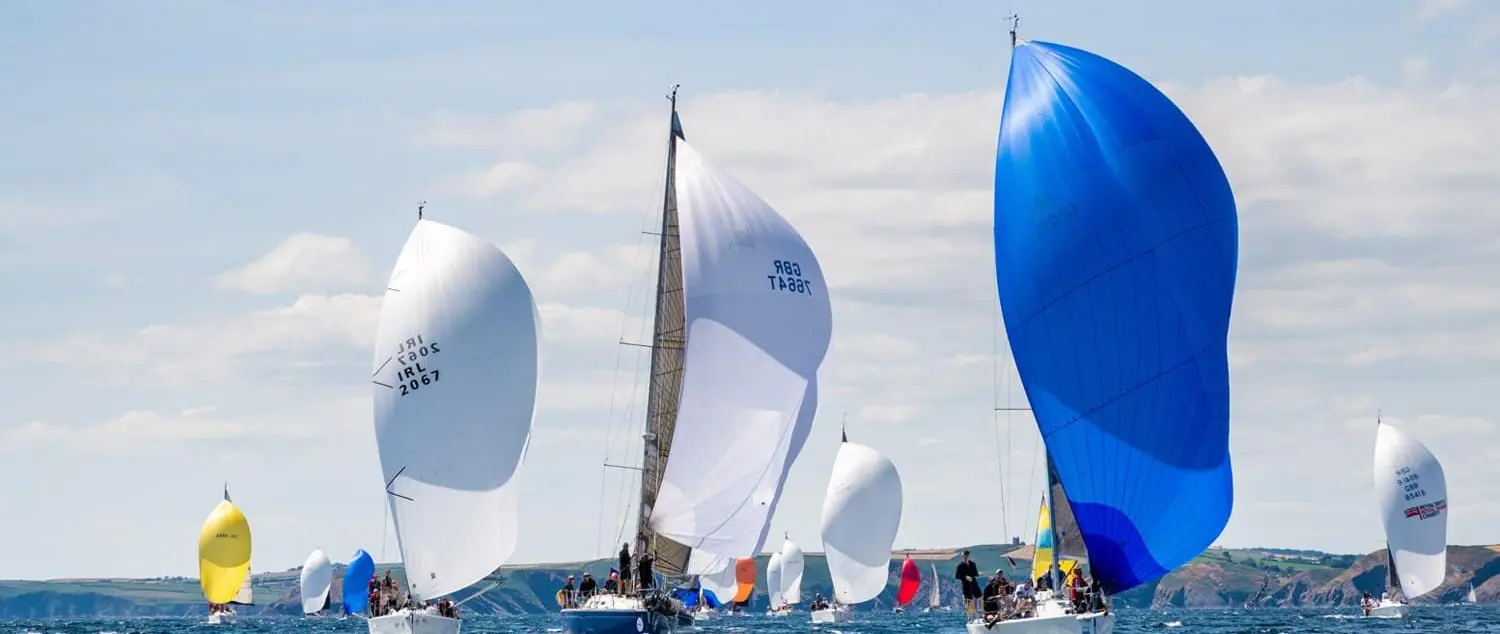
Lead image: Royal Cork Yacht Club original club archive photograph, not an image of the upcoming finale. © Royal Cork Yacht Club and original photographer; rights retained. Original supplier image.
