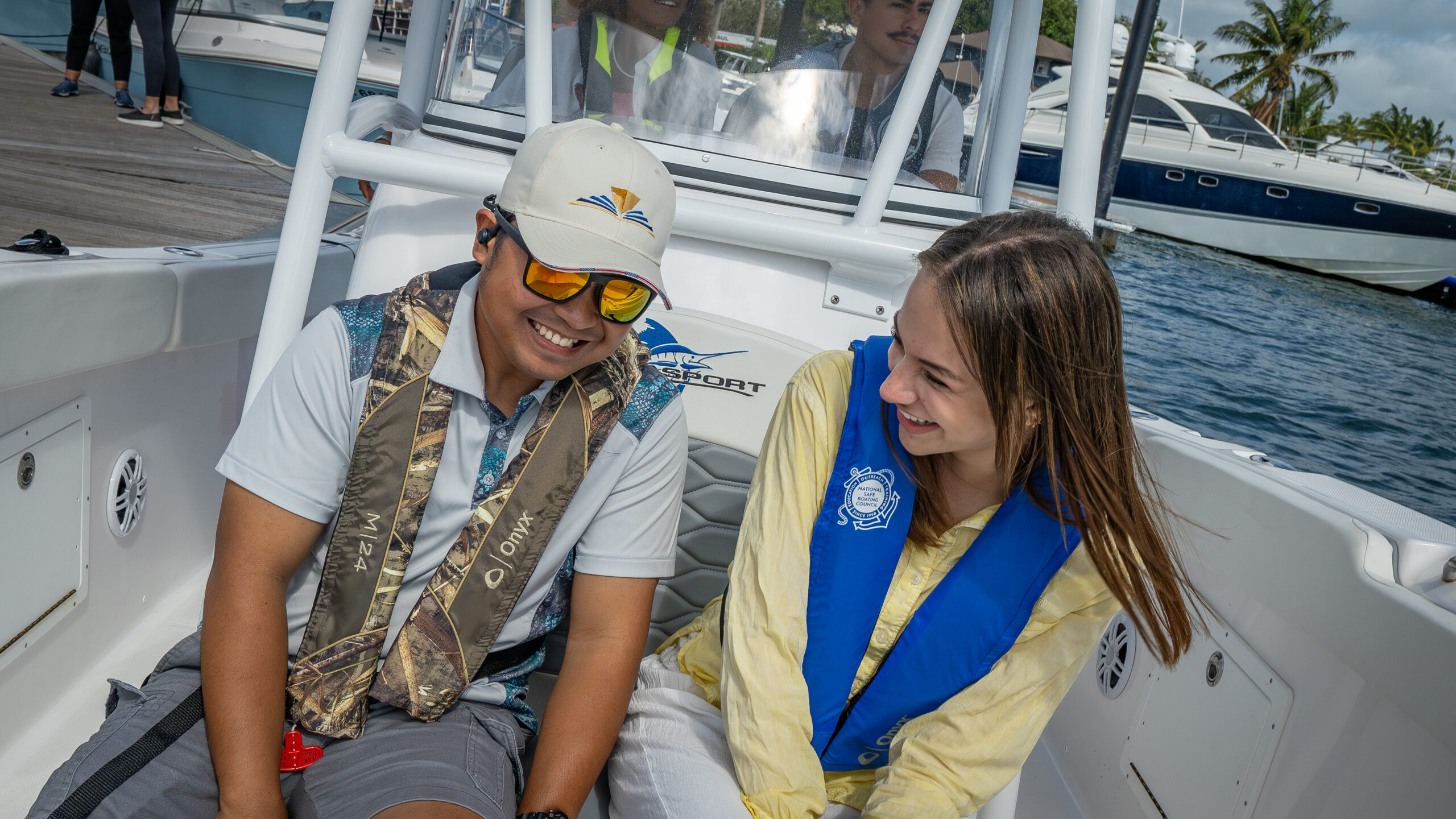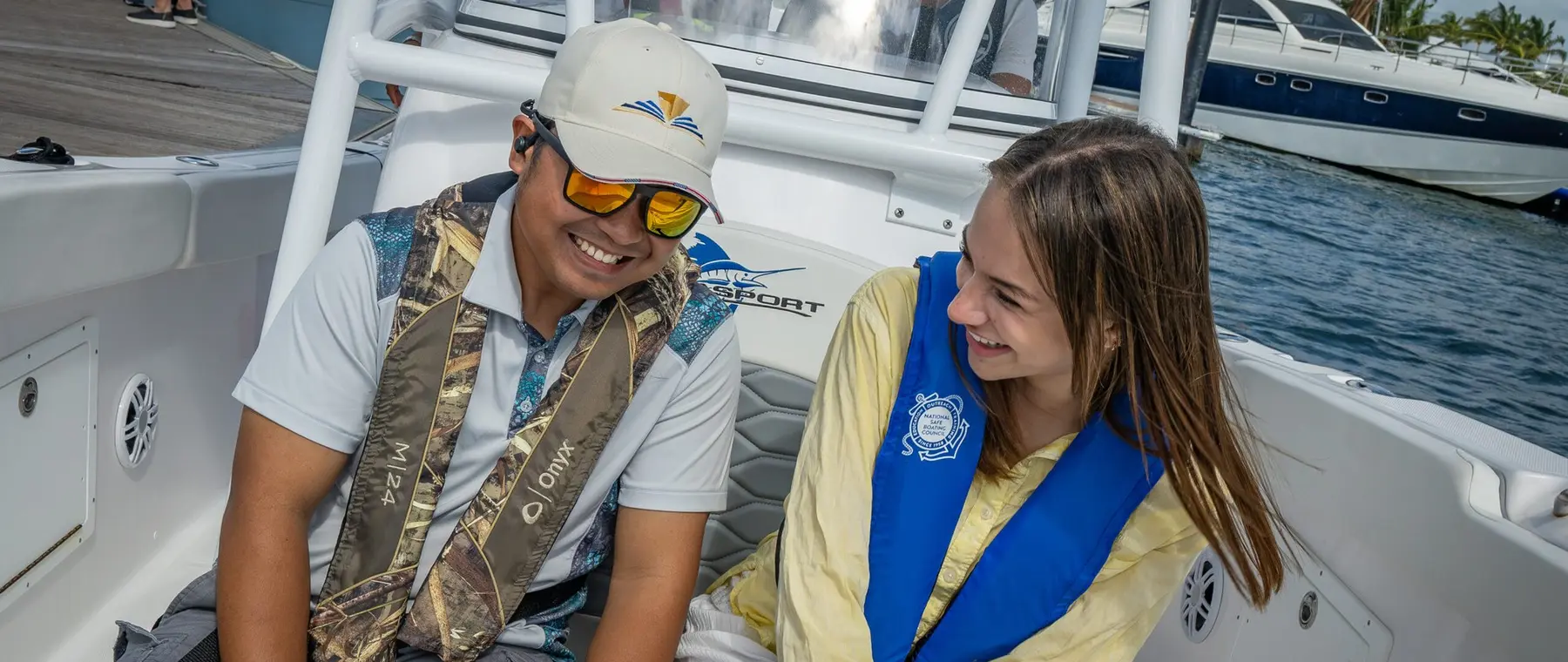
The National Safe Boating Council has issued a new family-boating safety reminder for November 2026, urging parents and other responsible adults to think carefully about supervision, life jackets and the preparation of small recreational boats before taking children onto the water. Published by the organisation's Safe Boating Campaign on 10 November, the advice is associated with Child Safety Protection Month and focuses on practical situations rather than new boat technology. It calls for properly fitting life jackets, a designated adult lookout for children, a float plan, an appropriate engine cut-off switch where required, and a working communications plan. These considerations matter particularly to people using dayboats, small cruisers, fishing boats and other craft below twelve metres, where the distances between the helm, cockpit and water can be small and unexpected movement can develop quickly.
A contemporary safety reminder, not a new law
The campaign's current bulletin is a practical reminder issued in November, not an announcement that a new nationwide boating regulation has just taken effect. It draws attention to established precautions, including the use of US Coast Guard-approved life jackets and the operator's responsibility to remain attentive to surroundings. It also mentions engine cut-off switches and other safety equipment. The precise legal requirements depend on vessel type, location and circumstances, and boaters should consult the authorities responsible for their operating waters. The message is especially useful because family boating often occurs during holiday periods when people may be distracted or unfamiliar with a particular boat. Preparation and clear roles can reduce the risk of mistakes before the vessel ever leaves a dock.
A child needs a properly fitting life jacket
The National Safe Boating Council's bulletin stresses that an adult life jacket is not a substitute for a jacket fitted to a child. A flotation device must be chosen for the wearer's size and weight and used according to its label and the rules applicable in the boating area. Parents should examine the fastenings, condition of the material and ability of the jacket to stay in place during normal movement. Where possible, children should become familiar with wearing the jacket before a trip rather than receiving it only at the boarding point. A comfortable and secure fit encourages continuous use, while an oversized or badly adjusted device may fail to provide the intended protection. The crew should also understand that a life jacket supplements supervision; it cannot replace an adult who is watching actively.
Assign an adult other than the skipper to watch
One of the bulletin's most important recommendations is to designate a responsible adult, separate from the boat operator, to keep watch over children. The skipper already needs to monitor navigation, steering, speed and surrounding traffic, which limits attention available for passengers. A dedicated adult can help prevent children from moving into unsafe areas, opening hatches unexpectedly or approaching the water without being noticed. Roles should be clear before departure and should remain clear when the boat slows down at an anchorage. If the person watching children also needs to undertake another task, responsibility should be handed over explicitly. Small boats can create a false sense of security because passengers appear to be nearby, but an unexpected movement or fall can happen faster than someone at the helm can respond.
Make a realistic float plan
The National Safe Boating Council advises letting someone ashore know where the boat is going and when the group expects to return. A useful plan should include the operator's name, vessel description or registration, passenger details, intended route and contact methods. The information should reach a person who will notice if the boat is overdue and knows how to contact the appropriate rescue service. A general statement that a family is going boating is less useful than identifying a departure point, expected anchorage and return time. Routes may change with weather and other circumstances, so a responsible crew should update the person ashore when the plan changes materially. This discipline is particularly valuable for small craft that may be difficult to locate over a broad area of water.
Check the weather before and during a trip
A small recreational boat is sensitive to changing wind, waves and visibility, and family outings may involve children or older passengers who are less comfortable in rough conditions. The council recommends checking forecasts before setting out and monitoring conditions during a passage. A departure decision should reflect the limitations of the boat, the experience of the operator and the abilities of the passengers rather than only a desire to complete a planned holiday activity. When a forecast is uncertain, shortening the route or postponing the trip may be appropriate. A skipper should know possible places of shelter and the procedures for returning if conditions worsen. A safe plan is one that can be adapted without placing the crew under pressure to reach a destination.
The importance of a sober skipper
The campaign also highlights the risks of operating a boat while impaired by alcohol or other substances. A responsible family should designate a sober skipper before leaving the dock, just as a road journey needs a capable driver. Alcohol can reduce attention and judgment, and the marine environment adds sun, motion and fatigue. The operator may need to make quick decisions about nearby traffic, swimmers or an unexpected change in conditions. Passengers should know that helping a skipper who is impaired or tired may be necessary, and it should be possible to return to shore safely without relying on someone unable to operate the vessel competently. Local legal limits and enforcement requirements should be understood before a trip, particularly when crossing between waterways or jurisdictions.
Engine cut-off devices need proper use
On an eligible powerboat, an engine cut-off switch is intended to stop the engine if the operator is unexpectedly separated from the control position. The council's bulletin reminds boaters to use the device and notes its legal relevance in the United States. Requirements depend on the vessel and circumstances; readers should check the current rules governing their boat. A lanyard or wireless connection is only protective when fitted and used according to instructions. The operator should demonstrate how it functions and understand how the engine can be restarted safely after activation. Families should not regard it as a substitute for safe passenger seating, appropriate speed or close supervision around the stern. Propulsion machinery remains dangerous even during apparently relaxed activities near a swim platform.
Carbon monoxide is an unseen hazard
The council includes carbon-monoxide awareness among its current recommendations, a particularly important point for boats with internal combustion engines, generators or enclosed accommodation. Carbon monoxide cannot be reliably detected by smell, and exposure can cause serious illness or death. Engine exhaust can accumulate in unexpected locations, especially around a transom or in areas with poor ventilation. Families should follow the manufacturer's guidance on operating engines, ventilation, detectors and generator use. Never allow people to swim or linger near running exhaust outlets. Any onboard carbon-monoxide detector should be suitable for marine use and checked according to its instructions. A small boat may seem too open to present such a risk, but the operator needs to understand the specific exhaust arrangements and circulation of air.
More than one communication method
The November bulletin encourages boaters to have more than one method of communicating in an emergency, including equipment that can still function after getting wet. Depending on the boating area, a marine VHF radio, suitable emergency beacon, satellite communicator or protected mobile phone may be appropriate. No single device works everywhere, and a mobile telephone's coverage may be limited away from land. The crew should know how to call for help, describe its location and follow the instructions of rescue authorities. A spare battery or a waterproof means of protecting equipment can be valuable. Parents should not rely solely on a child's phone to call for assistance or assume the same coverage experienced at home will exist on the water.
Pre-departure equipment and hull checks
The council advises booking a vessel safety check through an appropriate boating safety organisation where available. A family can also establish a routine for checking the vessel before departure: inspect fuel levels, navigation lights, fire safety equipment, bilge condition, steering and emergency gear. Confirm that life jackets are readily accessible and correctly sized, and that lines and loose items are secure. A fault discovered at a dock can often be corrected safely; the same problem underway may require difficult decisions. Young passengers can be taught simple safety habits, such as keeping hands inside the boat during docking, staying seated when instructed and asking before moving to the swim ladder. The aim is not to make the trip intimidating, but to build predictable routines.
Simple family preparation reduces distraction
The Safe Boating Campaign recommends bringing spare clothes, drinking water, snacks and protection from the sun. These ordinary items are not trivial. A child who becomes cold, overheated, thirsty or uncomfortable can distract an operator at precisely the moment careful navigation is required. Adults should set clear behaviour rules before leaving and explain them in language that children understand. Make sure a child knows where to sit during a manoeuvre, whether they may enter the cabin and who has permission to help them into the water. At anchor, consider how easily someone could fall between the boat and the pontoon. A calm, predictable procedure makes it easier for everyone to enjoy an outing and recognise when something needs attention.
Why this November bulletin is worth reporting
The National Safe Boating Council's November message addresses risks that remain relevant even when a boat is well equipped and operated on familiar waters. Small craft are often used by families who want easy access to swimming, fishing or a picnic, and it can be tempting to treat those activities as routine. The council's recommendations centre on supervision, properly fitting life jackets, sober operation, weather awareness, float plans and reliable equipment. These principles are not a claim that any individual boat is unsafe, nor are they a substitute for the laws or safety guidance in a reader's own country. Their value is in encouraging boaters to prepare for unexpected circumstances before they occur. A family trip is more enjoyable when the crew has a clear plan and everyone knows what safe behaviour looks like.
Original industry sources and image credits
Reporting based on Responsible organiser or manufacturer original official event or safety announcement, date and subject independently verified.
Lead image: National Safe Boating Council original powerboat and life-jacket safety photo from the official free-use photo library. © National Safe Boating Council, under stated free-use photo-library conditions for boating and water safety. Original supplier image.