MasterCraft Boat Company has announced plans to introduce a manufacturer-backed Certified Pre-Owned programme for qualifying used towboats in early 2027. The company-issued 23 November 2026 release, distributed through Business Wire and reproduced by financial news publishers, says the initiative will operate through authorised dealers and connect with the company's recently introduced MasterCraft Trader marketplace. This is an important development for the market in compact waterskiing, wakeboarding and wakesurfing boats because many buyers consider used vessels rather than a new, high-specification model. A manufacturer-recognised certification route could make it easier to compare condition and dealer support, but the precise inspection standards, warranty details and eligibility requirements have not yet been published. The news is a future programme announcement, not confirmation that certified boats are already on sale.
What the company has confirmed
MasterCraft's release identifies an intended launch in early 2027, with additional details and participating dealer information expected closer to the start. It describes a manufacturer-backed certification framework for qualifying pre-owned MasterCraft boats sold by authorised dealerships. The company says certified listings will appear on MasterCraft Trader once the scheme begins. That is a clear statement of intent, although it stops short of specifying the model years, engine hours, inspection checklist or mechanical warranty terms that will apply. Buyers should therefore resist assuming that an ordinary used listing on the marketplace currently carries the future certification. A dealer may offer its own checks or warranty today, but those arrangements should not be confused with the forthcoming programme until MasterCraft publishes the formal rules.
Why a used towboat is a specialist purchase
A purpose-built towboat operates differently from many general recreational runabouts. Ballast systems, wake-shaping equipment, towing points, specialised electronics and powerful propulsion installations all influence how owners use and maintain the boat. A buyer inspecting a used example needs to understand not only its hull condition but the history of systems that may have experienced repeated loading during wakesports. Water pumps, ballast hoses, wiring, surf tabs and upholstery can all require attention. Previous owners may have used the boat primarily for gentle waterskiing or for longer sessions with ballast filled. Neither programme automatically makes a boat unsuitable, but the history affects which checks are relevant. A certification scheme could be valuable if it addresses these real technical differences and makes the results understandable to customers.
The official Trader platform already exists
MasterCraft's first-party website describes MasterCraft Trader as a marketplace that brings together boats available through participating dealers. Buyers can search by model, model year, price, location and equipment information, and contact dealers about individual vessels. The new certified-used scheme is intended to build upon that platform, rather than replace the underlying marketplace. This distinction is important: a listing is a sales advertisement, while certification is a separate claim about condition and compliance with a stated standard. Prospective buyers should expect the certified status to be clearly identified when the service launches. Until then, the existing marketplace can assist research, but a customer should ask directly which checks a dealer has performed and what protections are included in any sale.
What a useful inspection should cover
MasterCraft has not published its future certification checklist, so it would be inaccurate to claim that it includes particular tests. However, there are sensible questions any used-boat buyer can raise now. Has the hull been inspected for impact damage, structural repairs or signs of water ingress? Is there a documented engine and transmission service history? Do electrical controls, steering systems and bilge equipment function correctly? Can every ballast pump be operated, and have hoses been checked for leaks? Does the boat have evidence of overheating or repeated mechanical problems? A competent surveyor or authorised service technician can help assess these questions. A future certification may simplify the process, but buyers should still understand what was examined and what remains outside its scope.
Ballast and surf systems need care
Modern towboats frequently use substantial onboard ballast and computer-controlled wake equipment to change the water shape behind the vessel. These systems provide enjoyable watersports experiences but introduce plumbing, electronics and mechanical parts that can age differently from the hull. During a used-boat inspection, ask about winterisation, leaks, pump operation and software updates. A system should be tested rather than accepted merely because an electronic menu displays the expected button. Buyers should check whether aftermarket ballast or other modifications have been made and whether they affect safe loading or insurance conditions. The boat's original capacity limitations still apply. Understanding the true installed configuration helps an owner avoid problems when using the craft with a full family and sports equipment.
Certified does not automatically mean as-new
The phrase Certified Pre-Owned can be reassuring, but it is not a substitute for a clear written standard. Different vehicle and boat programmes apply different rules, including limits on age, hours, accident history and permitted modifications. MasterCraft's public November announcement does not yet identify those exact limits. A consumer should not assume that a certified boat will be mechanically identical to a new one or that every potential defect is covered. The future paperwork should describe how condition is assessed and how disagreements are resolved. Buyers should also ask whether certification is tied to the original dealer, is transferable to a later owner and remains valid when a vessel is moved to another country. The value lies in enforceable conditions, not merely in a badge.
Warranty information must come from the actual contract
The manufacturer describes its plan as providing greater confidence and support, but the original release does not set out warranty periods, component exclusions, claim limits or deductibles. These omissions are not necessarily a problem at the announcement stage; the programme is still being prepared. Nevertheless, a buyer should wait for the exact policy before placing financial value on the certification promise. Outboard or inboard engine coverage may be different from coverage of ballast, trim equipment or the boat's interior. Routine service items, cosmetic wear and damage from misuse may be treated separately. A dealer must make clear who performs repairs and whether the owner needs to return to a specific location. Written details are essential for any meaningful comparison with a conventional used boat.
A manufacturer's view of long-term ownership
In announcing the programme, MasterCraft places emphasis on supporting owners beyond the first sale and on strengthening relationships throughout a boat's life. The commercial logic is understandable: a used MasterCraft can remain in the market for many years, and a new owner may become a customer for servicing, upgrades or future boats. That long-term connection can be useful if it translates into accessible technical support and accurate parts information. It also creates a business incentive for dealers to receive and resell used inventory in a more structured way. None of this establishes that prices will fall or that a certified boat will automatically depreciate more slowly. Those outcomes will depend on actual buyer demand, condition and the programme's costs.
What the dealer network contributes
An authorised dealer is often better placed than a general seller to identify manufacturer-specific equipment and service procedures. Technicians may have access to original diagnostic methods, manuals and parts networks. That can help when a pre-owned towboat has complex electronics or a less familiar propulsion configuration. However, dealer quality and service capacity can vary by location. Buyers should ask which staff are trained to inspect the actual model and which repairs can be completed locally. A programme should ideally be understandable even when a customer purchases a boat from another region. The company's future list of participating dealerships will be useful for assessing whether certified inventory is available close enough to make inspection and aftercare practical.
Sea trials remain necessary
Even a boat that passes a detailed mechanical inspection may not match a family's intended watersports programme. A buyer should arrange a sea trial with a safe, realistic number of passengers and an appropriate load, following the seller's instructions. Test low-speed handling, steering, visibility, vibration and the equipment most important to the planned activities. Wake behaviour can vary with ballast settings, water conditions and boat configuration. A family that enjoys general cruising may place less weight on maximum surf-wave characteristics than an enthusiast training regularly for competition. A survey and service history tell the buyer about condition; a trial helps establish whether the particular hull and equipment are enjoyable and manageable for its future owners.
The price premium needs to be justified
A certification programme may eventually command an additional price compared with an otherwise similar unqualified used boat. Whether that premium is worthwhile will depend on documented inspections, any warranty protection and the availability of aftercare. A buyer should compare the complete cost of purchase, transport, commissioning, taxes and any necessary modifications. Certification does not remove the need to budget for fuel, servicing, winterisation, berth or trailer storage, insurance and consumable items. Two boats of the same model year may still differ substantially in engine hours, maintenance and cosmetic condition. The most defensible comparison is a like-for-like estimate that accounts for those differences rather than one based only on a sales badge.
Owners considering resale should keep records
The planned programme may make records even more important for people who hope to sell a towboat in the future. Preserve service invoices, equipment installation details, software updates, winterisation records and documents relating to hull repairs. Keep the original equipment manuals and identify any alterations made after delivery. A future inspection may ask for information that an owner cannot reconstruct after years of informal maintenance. Good record-keeping is useful regardless of certification because it allows a prospective purchaser or surveyor to understand how the boat was cared for. It can also help a new owner arrange timely servicing and prevent the repetition of work already carried out.
What buyers should monitor in early 2027
MasterCraft says further programme details will be released closer to launch and that qualifying certified-used boats will be listed through MasterCraft Trader. The next important announcements will concern eligibility, inspection standards, warranty terms, dealer participation and the practical process for purchasing a certified vessel. The November release should not be read as confirmation that every MasterCraft dealer will participate or every used model can qualify. The scheme is also not yet evidence of an independently audited change in the price of used towboats. Customers can monitor official communications and seek documentation before making a purchase. This is a worthwhile development precisely because its practical value can be tested against published rules.
A clearer route into used watersports boats
The confirmed news is that MasterCraft intends to establish a structured, manufacturer-backed pre-owned certification programme from early 2027. It will use authorised dealers and the existing MasterCraft Trader marketplace to bring qualified used boats to buyers. That may make a specialist recreational-boat purchase easier to navigate, particularly for people buying their first towboat. But the most important details have not been released, and a responsible buyer should not substitute expectations for facts. A well-maintained used boat can offer years of enjoyment, whether or not it enters a certification scheme. The new programme's eventual success will be measured by transparent standards, useful technical support and actual confidence in the boats offered, not simply by the announcement itself.
Original industry sources and image credits
Reporting based on MasterCraft Boat Holdings original issued 23 November 2026 company press release, published verbatim by wire distributor.
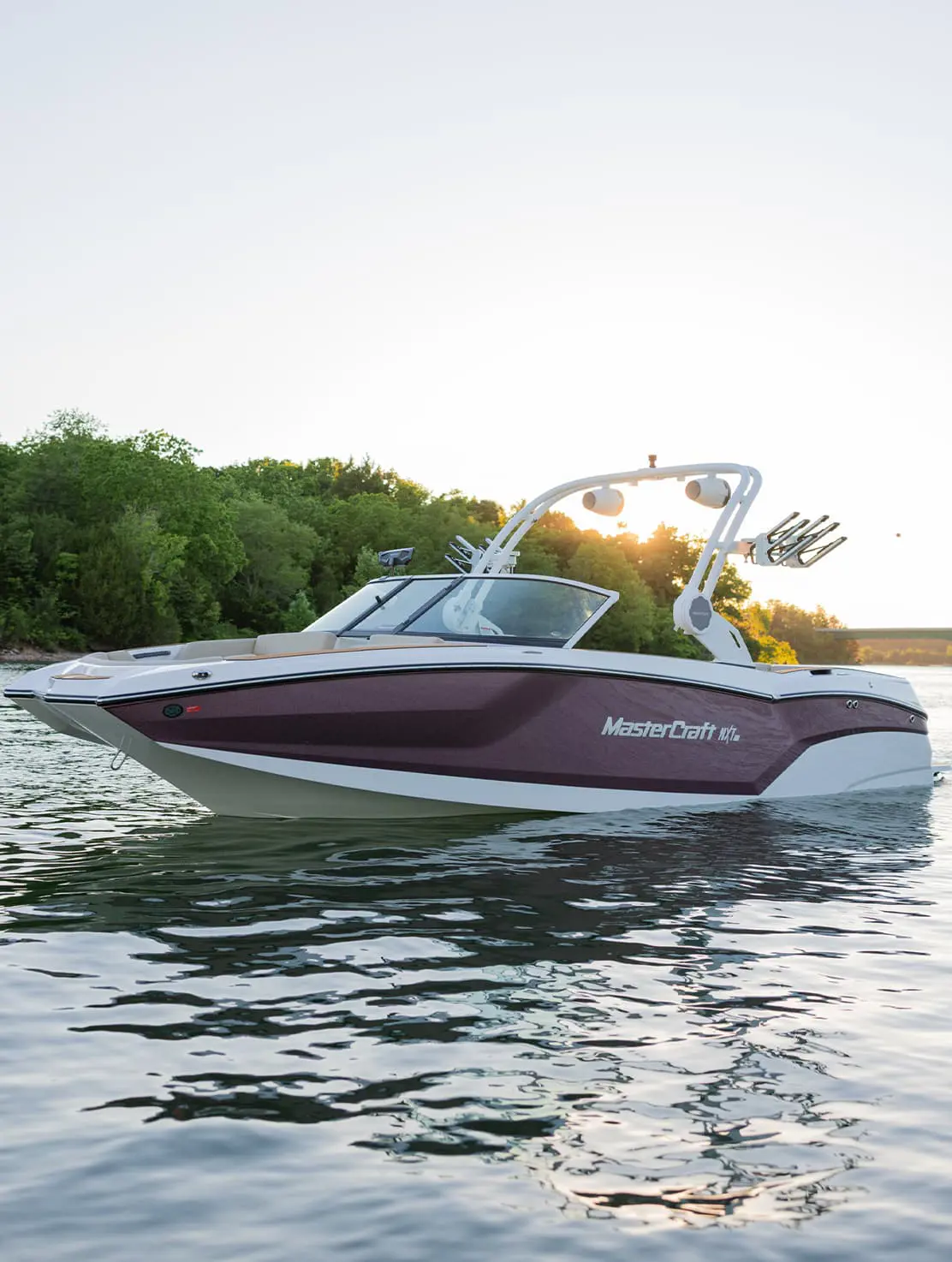
Lead image: Original MasterCraft official marketplace photo illustrating the model range, not a certified used boat or specific listed hull. © MasterCraft Boat Company and original photographer. Original supplier image.