A specialist offshore clothing range receives DAME recognition
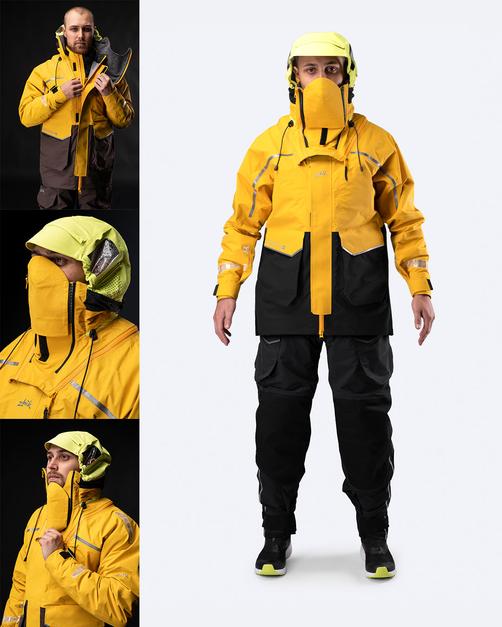
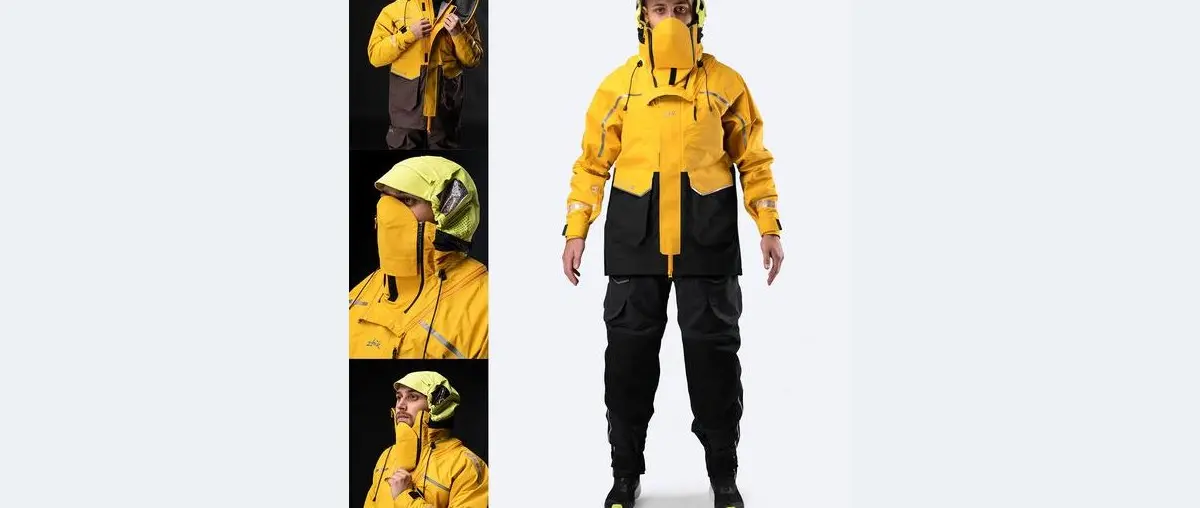
Zhik’s OFS800 Offshore Range has received a Special Mention in the Personal Equipment category of the 2026 DAME Design Awards, announced by METSTRADE in Amsterdam on 17 November. The company’s exhibition listing describes an offshore collection developed with input associated with major ocean-racing campaigns and built around three-layer eVent alpineST fabric, reinforced areas and refined pattern construction. The range includes a jacket, smock and salopettes rather than one universal outfit. For owners of sailing boats under twelve metres, the interest is not in claiming that equipment developed around offshore racing is automatically essential for a weekend trip, but in understanding which design details might make foul-weather clothing more protective, durable and comfortable during demanding coastal passages.
Offshore equipment confronts several competing demands
A sailor spending hours on an exposed deck needs protection from wind, spray and rain while remaining able to move, see and use safety equipment. Those requirements are sometimes in tension. A garment with many layers may provide useful weather resistance but restrict movement, while a lighter construction can improve comfort yet wear faster in high-friction areas. The Zhik OFS800 range is positioned at the premium technical end of marine clothing. Its value should be judged through fit, fabric performance and practical use rather than through an assumption that higher price or a race-team association makes it universally better. A well-chosen coastal outfit must match the actual conditions and time spent aboard.
Three-layer membrane construction
The manufacturer describes an eVent alpineST three-layer membrane with advertised 24K/20K waterproofing and breathability figures. Such numbers are often used to indicate water resistance and moisture-vapour transmission, but they need context. Different test methods may generate results that are not directly comparable between manufacturers, and a fabric’s performance can change as it ages or becomes contaminated. The complete garment also depends on seams, cuffs, zips and interfaces with gloves or boots. A buyer should ask which tests were used and what performance the finished jacket or salopettes can maintain in practical conditions. A headline specification is useful information, not a guarantee that no water can ever enter the clothing.
Breathability does not prevent every instance of condensation
Sailors can become damp inside waterproof garments even when external water is excluded. Sweat, changing temperatures and limited airflow can produce condensation, particularly during energetic manoeuvres followed by long periods sitting at the helm. Breathable membranes can help transport moisture under suitable conditions, but their performance depends on temperature and humidity differences as well as the layers worn underneath. The OFS800 figures may be relevant to buyers comparing premium fabrics, but no garment can eliminate the need to manage insulation, ventilation and physical effort. A sensible layering system can be as important to comfort as the outer jacket's advertised membrane.
Pattern engineering reduces bulk
Zhik’s official listing emphasises reducing seams, fabric overlap and unnecessary bulk through pattern design. A sailor moving between deck fittings can notice even small restrictions around the shoulders, hips and knees. Reducing bunching in those areas may help make a technical outfit easier to wear for a long period. But a clothing pattern must suit the individual wearer, and different bodies will experience the same cut differently. The practical test is to sit, kneel, reach overhead and move as a person would aboard. Manufacturers’ size charts are a starting point; they do not replace trying the garments with the insulating layers and safety equipment normally worn.
Why an exposed cockpit changes clothing priorities
On a small yacht, a crew member may need to shift weight quickly, handle wet lines and work near cleats or winches without the shelter available on a larger vessel. Clothing with excessive loose fabric can snag on fittings, while tight sleeves or knees can make movements tiring. Offshore gear is designed to accommodate demanding use, but owners should still assess its suitability for their vessel. A jacket useful during a cold night watch may feel unnecessarily heavy during a short summer sail. The right selection depends on route, season, crew experience and the likely exposure. The DAME recognition should encourage technical comparison rather than a reflexive upgrade.
Cordura reinforcement targets wear points
The manufacturer lists Cordura reinforcement as one of the OFS800 design elements. High-wear areas can include knees, seat panels and places where clothing rubs against nonslip deck surfaces. Reinforcement may help resist abrasion, but its placement needs to correspond to how a person moves. It is also important that a heavier material does not make the garment inflexible in areas requiring articulation. A buyer should inspect the seams around reinforced panels and ask how the material is maintained. Abrasion resistance is one factor in durability; zips, seals and the main membrane may require attention through the garment's service life as well.
Hypalon details and hardware
The company also identifies Hypalon detailing, a material often used where flexibility and wear resistance are helpful. On clothing, such additions may support high-stress zones or fittings, but the exhibition description does not supply a component-by-component technical drawing. Buyers should avoid assuming that a material name guarantees a particular load capacity or repair method. Any attachment used with a safety harness deserves separate verification under the relevant product standard. Equipment intended to keep a person dry must not be mistaken for certified load-bearing personal protective equipment unless the manufacturer specifically says it meets the applicable requirements.
Zipper reliability is central to water protection
Zhik describes using SAB zippers for waterproof sealing. Zips are among the most heavily used components of a jacket, and their reliability affects both weather protection and the ability to remove clothing quickly. Seals can accumulate salt or dirt and may become difficult to close if poorly maintained. Users should follow the manufacturer’s guidance on rinsing, cleaning and storing closures, avoiding lubricants not approved for the particular material. During fitting, the wearer should check whether zippers can be operated with cold or gloved hands. An impressive fabric rating offers limited reassurance if a closure is awkward or fails to engage fully.
The detachable hood offers different configurations
The OFS800 range shares a patented removable hood system, according to the official catalogue. A hood can protect the head and neck during heavy rain, but it may also affect peripheral vision or movement when turning to check sails and traffic. A detachable system can allow different arrangements for changing conditions, provided the attachment is secure and the hood is adjusted correctly. A skipper should pay particular attention to sightlines while wearing a lifejacket and other layers. Being able to see an approaching vessel or a crew member at the edge of the cockpit is a practical safety requirement. Any hood design should be judged with those real movements in mind.
Jackets and smocks serve different purposes
The collection includes both a jacket and a smock, offering alternatives to a single front-opening design. A jacket can be convenient for repeated removal and adjustment, while a smock may appeal to sailors seeking a different closure arrangement in persistent spray. The optimal choice depends on how often layers are changed and what the wearer needs to access beneath the clothing. The manufacturer’s exhibition description does not establish a universally better option. A boat owner outfitting a crew should explain the characteristics of each to the individuals using them. Requiring everyone to wear an identical configuration may reduce comfort rather than improve consistency.
Salopettes deserve their own assessment
Waterproof salopettes support the lower body and can overlap a jacket or smock to create a more continuous barrier against rain. Their shoulder straps, waist fit and leg openings affect comfort and the ease of moving around the boat. A sailor who spends long hours seated may place different demands on the fabric from one who frequently works on the foredeck. During fitting, it is important to check whether the seat and knee panels remain in suitable positions when bending. The OFS800 range’s salopettes are part of a coordinated system, but they still need to be selected for the individual rather than ordered by assuming the jacket size will always match.
Layering and thermal comfort
An offshore shell generally works with insulating and base layers. That creates flexibility across seasons, but it also means sizing must allow realistic clothing beneath the outer garment. A jacket fitted tightly over a T-shirt may become restrictive when a midlayer and lifejacket are added. Conversely, an oversized garment may flap or create excess material around fittings. A buyer should test the complete arrangement at the retailer, using the gloves, boots and flotation device intended for sailing. The manufacturer's advertised breathability does not remove the need for appropriate base layers or the management of condensation after strenuous work.
Race-team development is relevant but not decisive
Zhik’s listing references input associated with LawConnect, Comanche and Paprec Arkéa in major offshore racing environments. Such development can expose equipment to demanding conditions and provide feedback about movement and durability. Nevertheless, a product’s association with racing does not independently prove its effectiveness for every recreational user. Racing crews may accept trade-offs that a family cruiser would not, and a weekend boater may prioritise ease of use or simpler maintenance. The correct question is which design lessons translate to the smaller boat and its usual voyages. Buyers should evaluate the finished product rather than purchase primarily because of the names associated with development.
PFAS-free water-repellent treatment
The manufacturer states that the collection uses a PFAS-free durable water-repellent treatment. The distinction concerns the finishing chemistry applied to support water shedding at the outer fabric surface, not necessarily the chemical composition of every part of the garment. A company claim about a DWR finish should not be expanded into an independently verified lifecycle assessment of the entire product. Durable water repellency may also need care or reproofing over time, depending on the manufacturer’s instructions. Owners interested in environmental performance can request more specific evidence about material sourcing, treatment composition, durability and repair options. Clear information helps compare products without turning a single environmental descriptor into a complete verdict.
The meaning of the DAME Special Mention
METSTRADE’s official 2026 award results list Zhik OFS800 Offshore Range as a Special Mention in Personal Equipment. The category winner was Mustang Survival’s Women’s Tidal Waterproof Bib, while the joint overall winners were products from Garmin, Scanstrut and Teignbridge Propellers. This distinction is important because the award system recognises different levels of achievement. Zhik’s Special Mention is evidence that the jury considered the product noteworthy within its category, not that it won the overall competition. It also does not replace independent certification of weather resistance or a field trial tailored to a specific sailing programme.
Maintenance can preserve the technical investment
Premium sailing clothes may cost considerably more than ordinary rainwear, making maintenance and repair important to long-term value. Salt should be rinsed where the manufacturer recommends, and garments should be allowed to dry before prolonged storage. Incorrect detergents or aggressive heat can damage finishes or seals, so users should follow care instructions rather than apply general clothing advice. Before a long passage, inspect high-wear areas, closures and any removable components. A garment that can be repaired may remain useful for several seasons. The original exhibition description does not guarantee a particular replacement-part supply, so owners should ask about after-sales support when evaluating a costly purchase.
Choosing equipment around the actual voyage
Owners of small yachts should consider where and when they sail. A summer passage in sheltered waters creates different clothing needs from an overnight offshore leg in cool weather. A family with occasional guests may be better served by adaptable, easy-to-fit clothing than by multiple specialised racing outfits. More experienced crews may value articulation and abrasion resistance during longer watches. The OFS800 features are potentially relevant across these situations, but each user should assess fit and practical requirements. An appropriate lifejacket, harness arrangement and safe deck procedure remain essential regardless of what shell clothing is worn.
A disciplined view of technical design
The Zhik OFS800 Special Mention highlights the level of attention now being given to marine personal equipment: membrane construction, high-wear materials, careful patterning and adaptable components. These details may not be as visually dramatic as a new boat, but they influence comfort and the ability to work aboard in poor conditions. Zhik’s official METSTRADE listing establishes the advertised technical features, and the organiser’s 17 November results verify the award recognition. Neither source is an independent guarantee that a particular sailor will remain dry or comfortable in every environment. For leisure sailors under twelve metres, the value of the award is a reason to inspect the engineering of the garments carefully and choose the right combination for the boat and crew.
Original industry sources and image credits
Reporting based on Zhik Pty Ltd first-party 2026 METSTRADE exhibitor product listing and technical specifications.
Independent award result verification: Official METSTRADE DAME Design Awards results, 17 November 2026, Zhik OFS800 Special Mention.
Lead image: Zhik OFS800 Offshore Range Earns 2026 DAME Special Mention — official Zhik manufacturer supplied product photograph. © Zhik Pty Ltd. Original supplier image.