Ubimaior proposes a different way to furl a headsail
UBIMAIOR ITALIA is presenting JIBER in the 2026 METSTRADE equipment catalogue as a structural jib and genoa furling system designed to work without the familiar aluminium foil sections found on many conventional headsail furlers. The manufacturer describes a rotating rod forestay connected to a furling drum and top swivel, transferring the turning force through the stay so that the sail can be rolled. It also says the sail can be hoisted and lowered and its halyard tension adjusted, with a shuttle mechanism that locks and unlocks automatically. These are supplier-stated features, not a promise that every mast and sail can be converted without engineering work. For owners of smaller sailing yachts, the development deserves attention because the forestay is both sail-handling equipment and part of the rig's load-bearing structure.
What a conventional furler normally does
On many cruising sailboats, a jib or genoa is carried in a foil profile fitted around the forestay. The foil provides a groove for the sail's luff and rotates as the furling drum is operated, allowing the cloth to wrap around the forestay. This arrangement is familiar and widely supported by sailmakers and riggers, but it adds hardware and depends on careful installation and maintenance. Foil joints, bearings and the furling line can influence how smoothly the system operates. A design that changes the relationship between the stay and the sail might offer different mechanical possibilities. It also demands clear understanding of how the loads are transmitted.
JIBER's rotating forestay is the defining change
The official product entry says a rod forestay is connected to the drum and swivel and rotates to transmit furling torque. That differs from systems in which a separate foil assembly turns around a substantially stationary stay. The distinction is important because the forestay is normally part of the structural system supporting the mast. Changing how it operates requires appropriate engineering, not merely a different deck fitting. The manufacturer describes JIBER as a structural furler, and that term should be taken seriously. A yacht owner should obtain a design assessment for the particular rig before considering the system as an alternative to an existing roller furler.
Removing a foil does not remove the need for support
An aluminium foil is visible and can appear cumbersome, so the absence of that component may seem like straightforward simplification. Yet a furler still requires bearings, safe load paths, secure end fittings and an appropriate method of attaching the sail. A structural rotating stay must satisfy the functions normally performed by the rigging while transmitting the forces associated with furling. The public catalogue does not provide the engineering calculations necessary to assess those tasks for a particular yacht. An owner should ask which mast configurations and rod forestay specifications are supported. A lower apparent component count does not eliminate the consequences of incorrect installation.
The lower drum needs to transmit more than a gentle turn
Furling a large headsail can require significant torque, particularly when wind pressure remains in the sail or the cloth is not rolling evenly. The JIBER concept depends on sending that turning force through the rod forestay. The lower drum, associated fittings and supporting structure must therefore work together. A skipper should still ease sheets and follow the specified furling procedure rather than force the system under excessive load. A motorised winch or aggressively hauled furling line can magnify mistakes. Smooth operation in a demonstration is not evidence that a sail should be rolled away in any weather or at any load.
The swivel becomes a critical component
A furling system needs a reliable relationship between the rotating elements and those that remain connected to the mast and halyard. UBIMAIOR identifies a top swivel in the JIBER arrangement. The correct configuration must manage rig tension while allowing the required rotation without twisting or damaging other components. Owners should ask about inspection access, bearings and service intervals. A failure high in the rig may be difficult to diagnose from the cockpit and could have serious consequences. A structural furler should therefore be inspected as part of the standing-rigging programme, not treated as a simple removable sail accessory.
Hoisting and lowering remain possible according to the supplier
The catalogue says that sails can be hoisted and lowered and halyard tension adjusted. That is potentially relevant to owners who regularly change headsails or maintain precise luff tension. The ability to do so, however, depends on the complete sail and shuttle arrangement. A customer should ask for a practical demonstration of attachment, hoisting and retrieval on a suitable rig. It would be misleading to state that a particular existing sail will fit without modification or that a traditional luff tape can always be retained. The sailmaker should explain any necessary changes and how the cloth is supported while being raised or lowered.
Automatic locking deserves a safety explanation
UBIMAIOR states that a shuttle locks and unlocks automatically. A mechanism that reduces manual interventions can make a routine operation more convenient, but only if the crew understands how engagement is achieved and confirmed. A skipper should ask what visible or tactile indication shows that the sail is properly secured. The consequences of a partial engagement, jam or unexpected release should be covered in the operating instructions. Automatic does not mean infallible. Before setting sail in strong conditions, owners should be confident that the system has been correctly assembled and that the crew can recognise an abnormal state.
Compatibility begins with the mast and rigging
A small cruising yacht might have wire standing rigging, rod rigging or a mixed arrangement supplied by the original builder. Converting one component can affect mast support and the requirements of the surrounding terminals, chainplates and furling hardware. A structural rotating forestay should not be specified solely by measuring sail area. A qualified rigger needs to assess the mast, stay geometry, existing loads and the manufacturer's approved details. Some older boats may be unsuitable or require substantial modifications. The right decision is one based on structural compatibility and a complete design package, not the appearance of the product in the exhibition catalogue.
The sailmaker has to be involved early
The sail's leading edge, reinforcement and attachment points determine how it carries loads from the rig. A change in furling arrangement may require different fabric or luff construction, and the sailmaker should confirm the acceptable configuration. Owners considering JIBER for a current genoa should ask whether alteration is feasible and economically sensible. The age and condition of the cloth may make a new sail the more appropriate option. A quotation should therefore cover both hardware and sails where required. A furler should be considered a system with the sail, not a component that can be chosen independently from a list of accessories.
Furling performance still depends on sail shape
Even a sophisticated drive arrangement cannot prevent every poor furl. Uneven luff tension, an excessively loose sheet or changing wind pressure can cause the sail to wrap unevenly. Crew should learn the recommended sequence for controlling the sheet and furling line. A partially furled headsail may behave differently from a purpose-designed smaller sail in strong weather. Owners should not assume that an alternative structural furler removes the need to reef early or change the sail plan when conditions demand it. Good hardware can make an operation more predictable, but it should support conservative seamanship rather than replace it.
Reducing the number of foil sections may change maintenance
A conventional furling foil can be inspected for damaged joints and deformation. With a different mechanical arrangement, the points requiring attention may shift to the rotating rod, terminals, bearings and attachment mechanism. The manufacturer should provide a complete inspection and service schedule. Owners should ask which components can be maintained from deck level and which require professional mast access. High-load structural parts deserve documented inspection regardless of whether they are visually prominent. Fewer visible components may be attractive, but it is the quality and accessibility of maintenance that determines whether ownership becomes simpler.
Saltwater and repeated movement create wear
A headsail furling system operates in a harsh location with constant exposure to salt spray, rain, sunlight and rig movement. Bearings and rotating interfaces must tolerate those conditions, while attachment parts need adequate protection against corrosion and fatigue. A yacht may use its furler frequently during a passage or leave the sail set for extended periods. A manufacturer should define cleaning, lubrication and storage requirements. Applying an arbitrary spray lubricant can make matters worse if it attracts dirt or affects seals. Sailors should follow current service instructions and investigate unexpected stiffness before attempting to overcome it with additional force.
Emergency procedures cannot be improvised
If a structural furler jams or the sail cannot be rolled away, the crew needs a safe alternative plan. Such situations may occur when wind and sea conditions are already difficult. Owners should understand whether the sail can be lowered, which operations are permitted under load and what actions could damage the rotating stay. The answer depends on the approved JIBER configuration and should come from its manufacturer and installer. A skipper should not climb the forestay or attempt hazardous repairs while underway. Training and a clear failure procedure should be included when the system is commissioned.
The comparison with a conventional furler is boat-specific
A conventional aluminium-foil furler has the advantage of familiarity and a broad service network. JIBER proposes a different load and torque architecture that may interest some owners seeking another approach to headsail handling. The relative advantages depend on installed weight, structural requirements, cost, ease of sail changes and ongoing servicing. None of these should be assumed without accurate documentation for both systems. An owner whose existing furler works reliably may have little reason to pursue an expensive conversion. Another undertaking a full rig refit might have a more appropriate opportunity to compare designs with a professional rigger.
The term safer sailing is a manufacturer position
UBIMAIOR's official description refers to faster, safer handling and says the system does not require unusual adaptation from the sailor. Those statements express the manufacturer's intended user experience. They should not be converted into a guarantee that the equipment eliminates furling accidents or is suitable for an inexperienced crew without instruction. Sail handling remains dependent on weather, rig condition and the operator's knowledge. Responsible reporting should preserve the distinction between a published design aim and independently validated safety outcomes. The best way to evaluate the concept is through product-specific documentation and a demonstration on a suitably equipped yacht.
What the 2026 catalogue establishes
The first-party METSTRADE entry identifies JIBER as a structural jib and genoa furler that works without conventional aluminium foil sections. It describes a rotating rod forestay, drum and swivel, adjustable halyard tension, and automatic shuttle engagement. It does not provide a universal price, proof of compatibility with every existing sailboat or an exact November 2026 first-release date. Those missing details must not be invented. The trade-show presentation is newsworthy because it illustrates a technically different way to manage the connection between a headsail and standing rigging.
A structural decision, not merely a deck upgrade
JIBER invites sailors to reconsider a familiar piece of equipment, but its structural nature means the consequences of selection extend well beyond deck convenience. Owners of sailing craft under twelve metres should ask whether their rigging arrangement can accommodate a rotating forestay, how existing sails would be fitted and what service support is available. An approved professional installation and clear operating instructions are essential. The idea may be valuable for the right yacht, particularly during a carefully planned refit, but safe and dependable furling begins with a complete rig design. A promising equipment concept cannot substitute for that work.
Original industry sources and image credits
Reporting based on Official 2026 METSTRADE first-party product description submitted by UBIMAIOR ITALIA.
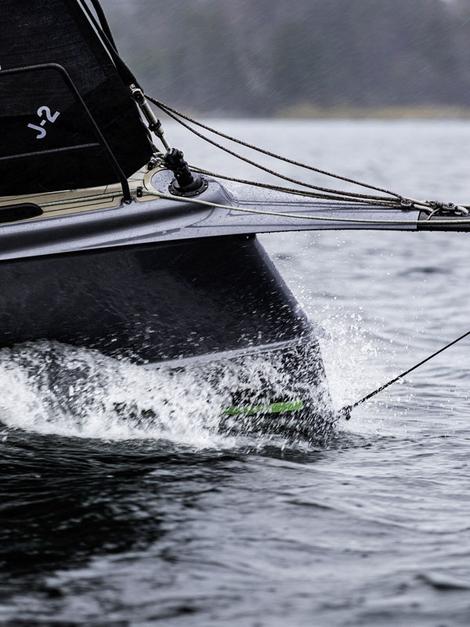
Lead image: Ubimaior JIBER Uses a Rotating Forestay Instead of a Foil — official supplier product photograph. © UBIMAIOR ITALIA. Original supplier image.