A flexible lighting system receives DAME recognition
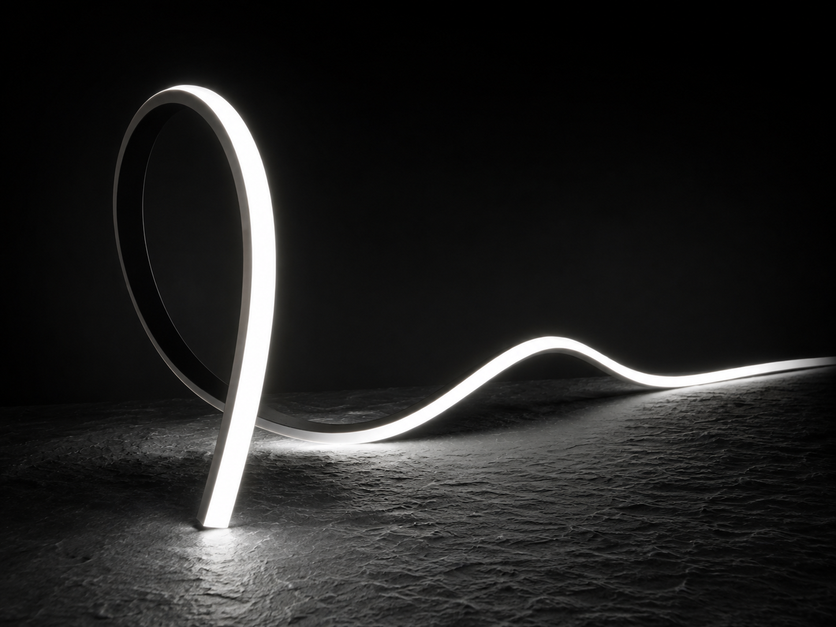
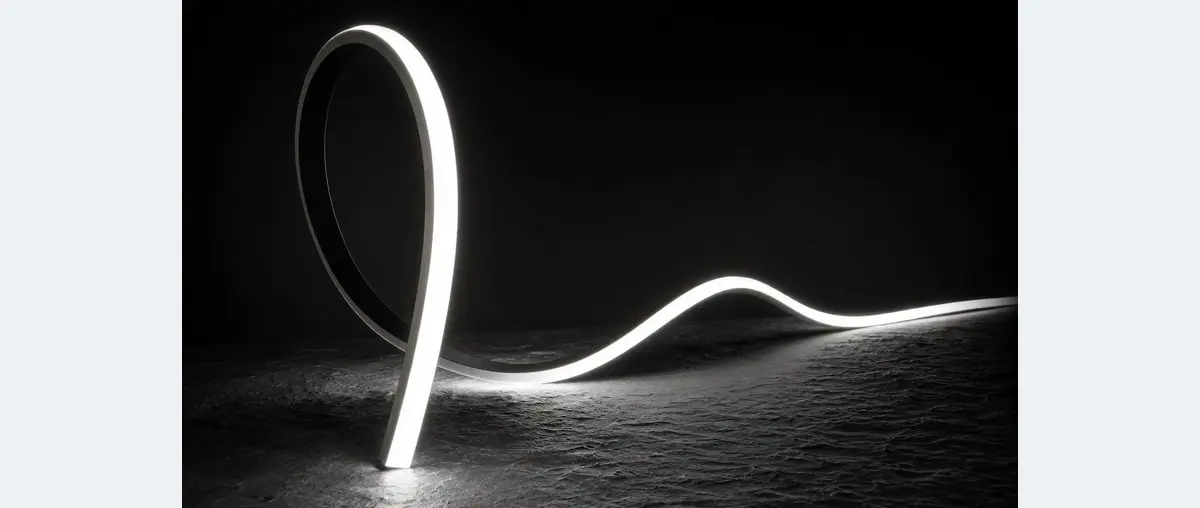
Totallux's TLX 3D Flexline Series has received a Special Mention in the Electronic and Electrical Systems category of the 2026 DAME Design Awards, according to the official results published by METSTRADE on 17 November. The company's product catalogue describes an LED lighting strip designed to bend horizontally, bend vertically and twist around three-dimensional shapes without relying on a rigid straight installation. Totallux attributes the effect to a segmented circuit-board construction and says a small amount of elastic length adjustment can help installers accommodate channel tolerances without cutting into a factory-sealed section. The product is marketed for yacht design, but the underlying problem also exists aboard smaller leisure boats, where curved interiors and tight spaces make conventional lighting difficult to conceal.
Lighting follows the shape of a boat
Few small-boat cabins contain long, perfectly straight surfaces. Joinery curves around the hull, seating follows tapered spaces and ceiling panels meet bulkheads at changing angles. Traditional rigid strips can create visible joints or awkward mounting details when they follow such shapes. A flexible LED product may allow the lighting line to remain more continuous, potentially reducing the number of interruptions in the finished appearance. Yet flexibility should not be confused with unlimited freedom. Every electrical strip has a defined bending range, mechanical limits and installation requirements. A designer should ask for those figures before deciding that the product will fit a particular feature.
Three-dimensional movement is the defining claim
Totallux distinguishes the TLX 3D Flexline from conventional strips by describing three kinds of movement: bending across two axes and twisting. A strip that only bends in one plane can be difficult to carry smoothly around a handrail, a compound curve in a cabin ceiling or an irregular piece of furniture. The segmented construction may help distribute strain as the product follows complex geometry. This is a manufacturer design claim, not an independent demonstration that any angle or radius is permissible. Installers should obtain the allowable bend and twist specifications, including what happens near the connectors and ends.
Segmentation can reduce strain in the circuit
An LED lighting strip contains conductors, electrical components and material that protects them from the surroundings. Bending an uninterrupted rigid circuit can place stress on those elements, potentially causing damage over repeated movement. Totallux says its segmented printed-circuit arrangement is designed to offer resilience during bending and twisting. That could be useful during installation, particularly when a strip has to be worked around a complex channel. However, segmentation does not make the lighting suitable for constant flexing in service unless the manufacturer explicitly approves it. A boat's vibration and structural movement should be considered separately from the flexibility needed to fit the strip initially.
One percent elasticity is about installation tolerance
The official listing refers to roughly one percent elastic length adjustment, intended to absorb small differences in the length of a mounting channel. A small tolerance can matter when a lighting line is designed to finish precisely at a corner or behind a panel. Totallux says this capability may allow a factory seal to remain intact rather than cutting and resealing the product to make it fit. Owners should not interpret the figure as permission to stretch a strip indiscriminately or force it around an unsuitable path. The relevant limit should be explained in the product's installation guidance, with particular attention to total length and the locations where movement is acceptable.
Factory seals are valuable in marine conditions
A lighting strip installed near a cockpit or companionway may encounter moisture, spray and repeated changes in temperature. The ends and joints can be vulnerable if they are not sealed according to the supplier's instructions. Reducing the need for field cutting could preserve the protection provided by factory workmanship, potentially avoiding one category of installation error. But an intact factory seal does not guarantee the surrounding electrical installation is watertight. The cable entry, connector, power supply and mounting surface still require appropriate protection. Owners should ask for the exact environmental rating of the chosen product version instead of assuming every TLX configuration can be used outdoors.
Soft lighting can help in a confined cabin
A compact cabin may feel more comfortable when lighting is spread along a shelf, ceiling edge or footwell rather than concentrated in one harsh overhead fitting. Continuous light can also help people recognise steps and changes in level while moving at night. The effect depends on brightness, colour, placement and whether the source produces glare. A flexible strip can open design possibilities, but it does not automatically deliver an ideal result. The boat's lighting plan should distinguish task lighting for cooking or reading from accent lighting used for atmosphere. A visually attractive line may be insufficient for a safety-related area if it cannot provide useful illumination when required.
Cockpit applications require extra caution
Owners may be attracted by the possibility of a continuous line of light around seating or steps in the cockpit. Such installations are exposed to a more demanding environment than sheltered interior cabinetry. The relevant product version needs appropriate resistance to moisture, ultraviolet exposure, impact and cleaning. Lighting must also avoid interfering with navigation lights or impairing the skipper's night vision. Some attractive colour arrangements can be inappropriate underway if they cause confusion about required vessel lights. Designers should consider applicable regulations and keep decorative lighting separate from mandatory navigation equipment. The product's catalogue description does not establish compliance with every possible cockpit application.
Safe electrical design still governs the installation
An LED strip requires a compatible power supply or driver, and the boat's distribution system needs correctly specified protection and cables. Owners should obtain the TLX operating voltage, current per metre, permitted total length and any maximum circuit limits from the manufacturer. Incorrect wiring may cause heating, dimming or premature failure. A small craft with a twelve-volt electrical system should not assume a product is directly compatible simply because it uses LEDs. The correct choice may require a dedicated converter or control unit. An experienced marine electrician should review the circuit before it is hidden behind permanent joinery.
Heat must be managed even with efficient LEDs
LEDs are generally efficient compared with some older lighting technologies, but they still produce heat that has to escape. The mounting channel, surrounding material and number of illuminated elements can affect operating temperature. A strip installed in a tightly enclosed recess may behave differently from one mounted on a surface that can dissipate heat. The manufacturer should provide installation guidance addressing temperature and permitted mounting materials. Designers should not assume that because a strip is flexible, it can safely be packed into any narrow gap. Heat management contributes to both reliability and the long-term condition of adjacent furnishings.
Installation planning starts before joinery is finished
A new-build boat provides an opportunity to plan lighting channels, cable routes and service access before cabinets or ceiling panels are completed. On an existing boat, a retrofit may require dismantling trim and finding space for drivers or switches. A flexible product may make the visual layout easier to achieve, but it cannot eliminate the need for an accessible electrical connection. Owners should obtain a complete plan showing where the strip begins and ends and how it can be replaced if damaged. An installation that looks seamless but cannot be serviced may become expensive to maintain after the first fault.
A continuous line can still need joints
The product's three-dimensional flexibility and tolerance adjustment may reduce awkward joins, but there will still be practical limits on individual lengths and circuits. A long run might need more than one power feed or section to avoid voltage drop and uneven brightness. Those requirements cannot be determined from an exhibition photograph. The designer should ask for maximum run length, permitted connection methods and whether brightness changes occur across a complex installation. A lighting feature should be specified as an engineered assembly rather than assumed to work because the strip can physically follow the intended shape.
A boat moves and vibrates after installation
A lighting strip mounted beneath a shelf experiences the boat's normal movement, while one installed beside a door or hatch may be repeatedly bumped. If adjacent panels flex, the mounting system needs to accommodate those movements within the product's permitted range. The installer should use approved channels, fixing methods and adhesives, taking care not to pinch or cut the protective covering. Mechanical damage may occur even if the electrical components initially continue working. An owner can reduce later problems by avoiding high-impact locations and ensuring that the strip is supported properly along its whole path.
Colour and brightness require deliberate choices
LED products are often supplied in several colour temperatures or lighting configurations, but the precise TLX options should be confirmed from the current catalogue rather than assumed. Warm light can make a cabin feel welcoming, while brighter neutral light may improve visibility for tasks. Dimming can be useful if supported by the chosen driver and controls, but poor compatibility may cause flicker or unstable output. Owners should request real samples where possible and judge them in the materials and conditions of the boat. An image taken at an exhibition cannot reliably convey brightness, glare or the way the lighting will look at night.
Repair and replacement may outweigh novelty
Flexible lighting installed behind finished joinery can be costly to replace if a section fails. Owners should ask how faults are located, whether connectors can be serviced and whether a defective part can be replaced without damaging the surrounding structure. Spare-part availability matters as much as the original visual effect. A product that avoids cutting at installation may improve reliability, but it should still have a practical maintenance plan. If one section is damaged, a boat owner needs to know whether the rest of the system can remain in service and how the appearance of a replacement section will match.
The meaning of the DAME Special Mention
The official 2026 METSTRADE results include the Totallux TLX 3D Flexline Series among Special Mentions in Electronic and Electrical Systems. The winner of that category was MOTA Cooling System's H2 Marine One; Totallux did not receive the overall DAME title. Accurate award terminology is important because an honourable mention, a category win and an overall win have distinct meanings. The recognition nevertheless draws attention to detailed design work on materials and installation rather than only on headline power or electronics. A flexible lighting strip may seem modest, but reliable integration into curved marine interiors is a real engineering challenge.
What the public listing confirms
Totallux describes a true three-dimensional LED neon-flex arrangement that can bend horizontally, bend vertically and twist. It identifies segmented circuit construction and roughly one percent elastic length adjustment as means of improving installation around complicated shapes. The official catalogue does not establish a universal retail price, a guaranteed environmental rating for every version or independent service-life measurements in every boat application. Those details should be checked with the supplier. The award and published features are verified news, but a responsible owner should treat product compatibility and installation safety as separate decisions requiring appropriate documentation.
A design feature that needs practical discipline
The TLX 3D Flexline illustrates how an apparently decorative item can involve serious design considerations: electrical safety, waterproofing, thermal management, durability and access for repair. Its ability to follow a compound curve could make it attractive to builders or refitters creating a continuous lighting feature in a compact cabin. The best result will come from matching the product's limits to a carefully drawn installation rather than forcing it into a design at the final stage. For owners of leisure craft below twelve metres, this is the sensible lesson of Totallux's 2026 DAME recognition: sophisticated lighting can improve a boat's usability and finish, but only when the complete system is specified and installed correctly.
Original industry sources and image credits
Reporting based on Official 2026 METSTRADE product and technical description supplied by Totallux B.V..
Independent award result verification: METSTRADE official 17 November 2026 DAME Design Awards winners and special mentions.
Lead image: Totallux TLX 3D Flexline Brings Twistable LED Lighting to Boat Interiors — manufacturer-supplied product publicity image. © Totallux B.V.. Original supplier image.