Mastervolt updates the marine battery conversation
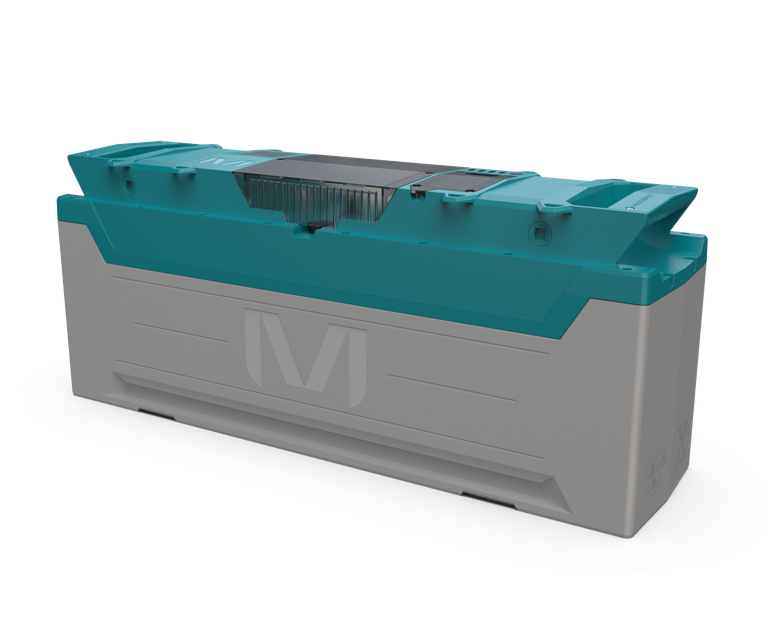
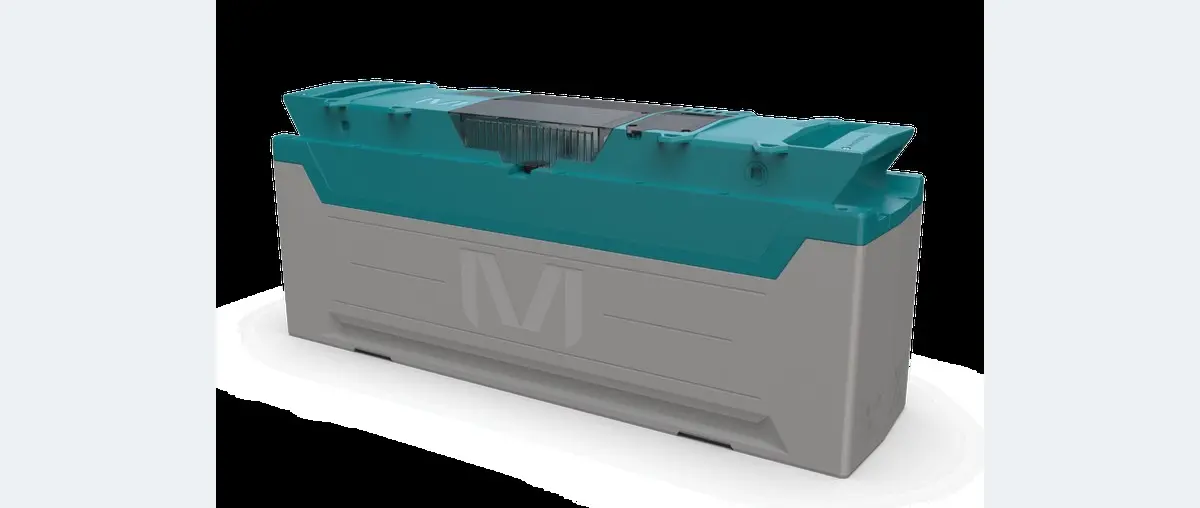
Navico Group has introduced the Mastervolt MLI Max 48/5400 to the 2026 METSTRADE product catalogue, with an integrated electronic switch, battery-management functions and connections intended to simplify monitoring and integration. The exhibitor entry is dated 17 November 2026 and describes IP67 protection, CZone and NMEA 2000 compatibility, and a system that can link compatible battery modules in parallel. It is a power-system component rather than a new boat, but it has relevance to some of the better-equipped motorboats and sailing craft below twelve metres. For an owner, the crucial questions concern what the battery can safely supply, how it interacts with the boat's existing electronics and whether its installation is proportionate to the vessel's actual needs.
The name should not replace a technical specification
A model designation such as MLI Max 48/5400 can invite assumptions about nominal voltage or capacity. The first step in specifying a new battery, however, is to obtain the manufacturer's current datasheet and identify the exact voltage range, usable capacity, maximum charge and discharge currents, dimensions and mass. A small cruiser may have an existing twelve-volt distribution system and possibly a separate high-voltage drive. Those circuits cannot be interchanged merely because a battery promises efficient energy storage. A qualified designer should confirm how the proposed Mastervolt equipment would connect to the boat before an owner pays for modules, cables or new charging equipment.
An integrated electronic switch changes system architecture
The exhibitor catalogue draws attention to an integrated e-Switch intended to manage charging and discharging. A switch within the battery system can provide coordinated control, but it also changes how the owner should think about isolating equipment. A traditional manual battery switch is visible and straightforward to operate; an electronic switching function depends on logic, power and the conditions under which the manufacturer allows it to open or close. The new product may offer important management benefits, but no one should assume that a software-controlled component automatically removes the need for an accessible emergency isolation arrangement. The final design must be consistent with the applicable boat standards and the supplier's instructions.
What the battery management system actually does
A lithium battery management system monitors conditions that can affect cell safety and performance. These may include temperature, voltage and current, as well as protective actions when a defined limit is reached. Mastervolt advertises integrated BMS functions, yet the exact responses must be verified from the product documentation rather than guessed from the phrase intelligent battery. A system that disconnects itself during a fault can protect its cells while unexpectedly removing power from a connected circuit. On a boat that depends on electricity for navigation, bilge pumping or communications, the consequences of disconnection deserve careful attention. Essential loads may need suitable separation or independent backup.
IP67 is useful but has boundaries
Navico's product entry identifies an IP67 protection rating. That generally refers to specified levels of resistance against dust ingress and temporary immersion under the defined test conditions. It should not be read as permission to install the battery permanently underwater, neglect damaged connectors or ignore the possibility of salt contamination. Marine lockers often contain damp air, spray and condensation, and those conditions can affect surrounding terminals and equipment even when the battery enclosure itself is robust. An installer should preserve the protection provided by seals and cable interfaces, and avoid locations prone to flooding. Protecting a valuable battery begins with choosing a suitable space aboard.
Parallel modules create new flexibility and responsibility
The exhibition listing highlights plug-and-play paralleling. Using compatible batteries together can increase available capacity or current capability within the conditions defined by the manufacturer. But parallel equipment still requires correctly specified conductors, protection, monitoring and mechanical restraint. The term plug-and-play does not mean any two batteries can safely be connected irrespective of their state, age or configuration. An owner should ask how additional modules are commissioned, which firmware versions are compatible and whether balancing or setup procedures are needed. The ability to expand can be valuable when a boat's electrical demand changes, but the original installation should account for future heat, space and fault-current requirements.
NMEA 2000 gives installers another way to integrate information
NMEA 2000 is widely used to distribute marine instrument and system data between compatible devices. Mastervolt's reference to NMEA 2000 integration suggests that selected battery information can be made available beyond a dedicated charger or service screen. Yet support for the network standard does not guarantee that every display will recognise every type of message or provide a comprehensive battery-control interface. The installer should verify the exact data fields, network topology and approved components. The system should remain safe when a screen is turned off or the NMEA network loses power. A chartplotter can present useful information, but it should not become the only means of understanding a battery fault.
CZone integration can help a coordinated electrical system
CZone is an electrical monitoring and switching ecosystem associated with Navico Group. Compatibility may make sense where a vessel already uses that equipment or is being designed with integrated power management from the outset. For a boat without CZone, the value of that connection may be more limited. Owners should ask whether additional interfaces are necessary and how future software changes will be handled. A coherent system can make monitoring easier, but poorly planned integration may create unnecessary complexity. The benefit is strongest when the battery is specified as part of the full electrical architecture rather than treated as a stand-alone gadget whose features will somehow work on every boat.
High-capacity systems need realistic energy budgets
The right battery size depends on the amount of electricity consumed and the time available to recharge it. A vessel might operate navigation displays, a refrigerator, lighting, a water pump and charging outlets, with substantial differences between normal and peak demand. A useful estimate multiplies the power of each load by its operating duration, then considers conversion losses and a prudent reserve. A battery upgrade that doubles available energy may still disappoint an owner who has also introduced large new appliances. Before choosing a 48-volt storage architecture, a designer should establish what will run directly, what requires conversion and how loads will behave when the bank approaches its minimum allowed state of charge.
Charging deserves equal prominence
A powerful battery is of limited use if the boat cannot replenish its energy safely. Shore power, engine-driven generation, solar panels and other charging sources each present different constraints. The charging equipment must match the battery's permitted operating range and communicate with the BMS where required. An alternator may need appropriate controls to avoid overheating or uncontrolled current. Owners should seek a documented charging plan that includes what happens when the battery refuses a charge because it is too cold, too hot or otherwise outside its limits. The METSTRADE listing does not promise compatibility with every legacy charger, and a retrofit should not be based on that assumption.
Retrofitting an older vessel may be expensive
The physical purchase of a modern lithium battery is only one part of a conversion. Older boats may need changes to charging equipment, wiring, switches, monitoring, ventilation and even the location of electrical compartments. High-current cabling must be correctly sized and protected, with suitable strain relief and separation from wet areas or combustible materials. The weight distribution of equipment can also matter on a small hull. An owner should obtain a complete quotation covering design, hardware, installation and commissioning, not simply the retail price of the module. The integrated features may reduce some parts of the job, but they cannot eliminate the need for a safe marine electrical installation.
Thermal behaviour must be understood
Battery systems have defined temperature ranges for charging, discharging and storage. An enclosure that protects against water can still require consideration of heat dissipation, especially in a cramped compartment near other machinery. The product's rating should be matched to the expected environment and any specified ventilation or spacing. Owners should ask what warnings appear during over-temperature conditions and which loads the system will disconnect if protection is triggered. They should also check the recommended winter lay-up procedure. Even a sophisticated battery-management system depends on users following appropriate installation and operating instructions. Technology can reduce risk without making it disappear.
Fire and emergency planning still apply
Lithium energy-storage systems require a clear strategy for fault detection, isolation and emergency response. A battery with integrated management and protective switching may provide useful safeguards, but it should not be treated as entirely free of fire or electrical hazards. Crew should understand which controls are intended for routine operation and which are meant for emergencies. Damaged battery modules should not be opened or repaired by unqualified personnel. The installation should comply with appropriate marine electrical and fire-safety guidance. Owners also need to decide which critical devices retain power after isolation of the main bank. A comprehensive safety plan reaches beyond the battery's product description.
The benefits of a consistent product family
A coordinated battery, charger, inverter and monitoring arrangement may simplify service when a supplier supports the whole system. It can also reduce disputes about which component is responsible for a communication or charging problem. On the other hand, a tightly integrated architecture can increase dependence on proprietary software and parts. Owners should investigate service access, warranty terms, replacement modules and technical support in the regions where the boat normally cruises. A modern installation ought to be maintainable years after commissioning. The strength of a product family should be assessed through real support arrangements rather than through the number of connected logos shown in promotional material.
Does a small boat need a 48-volt installation?
For a basic dayboat with minimal electrical demand, a large integrated lithium system may offer little practical advantage. A more intensively equipped cruiser, an electric-assisted vessel or a boat with substantial domestic loads presents a different case. There is no useful universal answer based simply on vessel length. The owner's programme, energy use, charging opportunities and budget determine whether the architecture makes sense. A responsible installer should compare the proposed Mastervolt equipment with simpler systems and explain where each option is appropriate. The fact that equipment is promoted at a major marine technology exhibition does not mean it belongs in every small craft.
What the November presentation establishes
The first-party METSTRADE entry dated 17 November 2026 confirms the advertised MLI Max 48/5400 product and identifies integrated e-Switch management, BMS functions, IP67 protection and communication with CZone and NMEA 2000. It does not establish a universal installed price, independent long-term service-life results or approval for every type of boat installation. Those matters require separate documents and professional assessment. Readers should also avoid confusing this battery story with a new boat launch or assuming that the model designation alone supplies a complete specification. The product's appearance is newsworthy because it reflects a growing preference for coordinated, monitored electrical systems aboard recreational craft.
An upgrade should solve an identified problem
The Mastervolt MLI Max 48/5400 illustrates how onboard power is moving beyond separate batteries and switches towards integrated energy management. That may reduce some installation and operating challenges, but it can introduce other responsibilities around network integration, software and specialised maintenance. For owners of boats under twelve metres, the right next step is to calculate actual energy needs, examine the existing electrical arrangement and ask a qualified installer how the proposed system would be protected, charged and serviced. A well-designed battery system should make ordinary boating more dependable, not simply more complicated. The manufacturer provides the technical claims; only a boat-specific design can determine whether they are worth adopting.
Original industry sources and image credits
Reporting based on Official METSTRADE 2026 exhibitor product information supplied by Mastervolt / Navico Group.
Lead image: Mastervolt MLI Max 48/5400 Adds Integrated Switching to Marine Batteries — official manufacturer product photograph. © Mastervolt / Navico Group. Original supplier image.