Antal updates a familiar line-handling idea
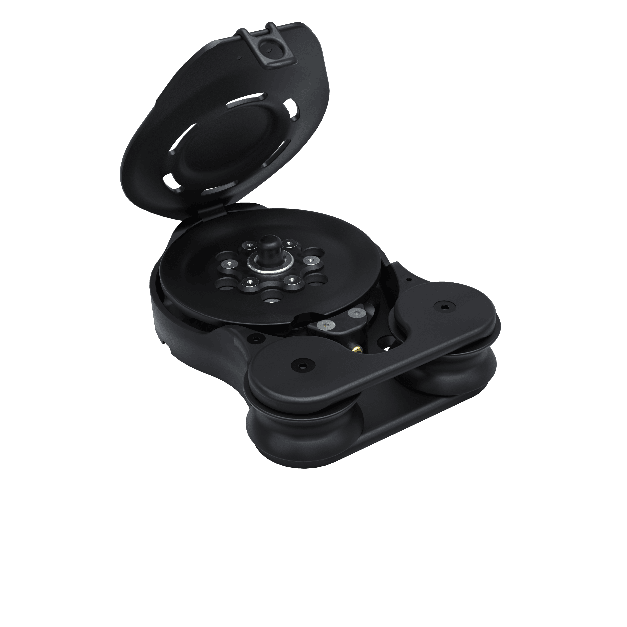
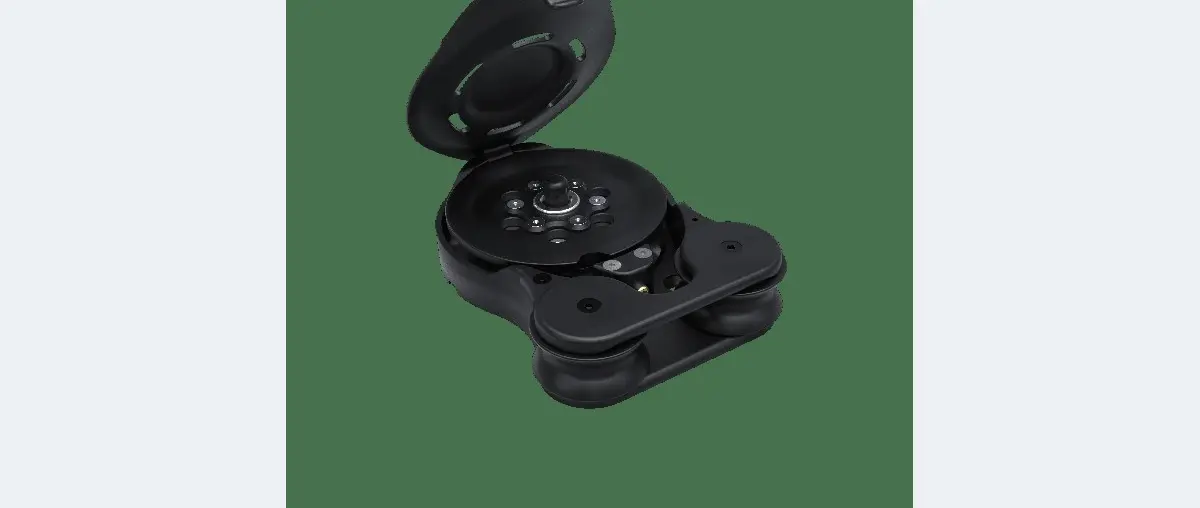
Antal Srl has presented the LDA700 Openable Line Driver in the 2026 METSTRADE product catalogue, describing an electrically driven unit for managing closed-loop rope systems aboard boats. The Italian manufacturer says the arrangement combines a self-tailing pulley above deck with a geared motor below deck. Its distinctive feature is a mechanism that can be opened and closed in a single action, allowing the operator to engage or disengage the line circuit. The product was listed on 21 September 2026, so the subject of this report is its current availability for technical evaluation rather than a fabricated November first launch. For owners of smaller sailing and motor craft, the interest lies in whether a carefully designed line driver could simplify awkward mechanical tasks without creating unnecessary complexity.
What a line driver is supposed to achieve
Many boat functions are controlled by ropes running around pulleys, drums or other fittings. A closed-loop arrangement forms a continuous circuit that can move a component in either direction when driven appropriately. Motorising the circuit can reduce the need for a person to pull long lengths of rope, especially where a line is awkward to reach. The supplier lists potential applications including mainsheet travellers, daggerboards, furling systems and some transom hatches. These are quite different mechanisms, so the correct design must account for individual loads, travel distances and failure modes. A product suited to one task is not automatically safe or practical for all the others.
An openable mechanism changes the operating routine
The defining claim of the LDA700 is the ability to open the drive and disengage the line circuit. Traditional motorised arrangements can make it difficult to intervene manually if the mechanism jams or power becomes unavailable. A deliberate release function may offer greater operational flexibility, provided the product's engagement and disengagement conditions are fully understood. Owners need to know whether the mechanism should only be opened when unloaded and what happens to the driven component when the line is released. A line under tension can move suddenly, creating hazards for hands and nearby fittings. Any claim of improved safety must be evaluated through the manufacturer's actual instructions and the loads present on the boat.
A geared motor belongs within a complete system
Antal describes a motor located below deck, connected to the self-tailing arrangement above. Separating these elements can allow the visible deck fitting to remain compact, but the motor still needs secure mounting and access for maintenance. Electrical wiring, controls, fuses and waterproof deck penetrations become part of the installation. A motor should be selected for the loads and duty cycle expected rather than only for its nominal power. Owners considering a retrofit should ask how the manufacturer specifies the complete system and which components are required separately. An attractive deck unit is not evidence that the below-deck space can accommodate the machinery without structural work.
A traveller system introduces side loads
On some sailing boats, a mainsheet traveller moves across a track to adjust the position of the boom and influence sail trim. The associated line circuit may experience changing loads as the wind and sail settings vary. A powered driver might help move the traveller without excessive effort, but the track, car and attachment points must be capable of carrying the resulting forces. The motor should not become a way to force a jammed traveller through an obstruction. Crew still need to know how to depower the mainsail and operate the arrangement safely. A proper installation review should examine the complete traveller system, not merely the rope that passes through the new driver.
Daggerboard controls involve a different problem
Retractable centreboards or daggerboards may be raised and lowered by lines or mechanical linkages. Moving such a component can involve substantial force, and the consequences of a sudden release may be serious. An openable line driver might be relevant to some board-control designs, but compatibility would depend on the boat's geometry, required holding force and the ability to secure the board independently. A skipper must not assume that the motor or rope circuit can safely act as the only restraint unless the system is explicitly engineered for that role. The supplier's broad list of possible applications should prompt technical consultation, not immediate self-installation.
Furling requires predictable behaviour
A powered line driver could be considered for a compatible furling arrangement where the rope circuit controls a rotating mechanism. Furling loads can vary dramatically with wind strength, sail size and rig geometry. A system that turns smoothly in light air may be heavily loaded in stronger conditions. Crew need clear control of direction and must be able to stop or isolate the mechanism immediately. The ability to open the drive may assist certain procedures, but only if doing so cannot create an uncontrolled movement. Sailmakers and riggers should specify appropriate operating limits and explain what happens if a line jams. Motorisation is not permission to furl a sail while it is dangerously loaded.
Hatch operation needs separate safety considerations
Antal also mentions transom hatches among the potential applications. A hatch moving under motor power presents risks of trapping objects or fingers, particularly when the operator cannot see the full mechanism. Limit switches, control placement and other protective devices may be necessary depending on the installation. The fact that a line driver can move a rope does not establish that it is a complete certified hatch-actuation system. Owners should seek professional advice about the loads, travel limits and how the hatch remains secured when the drive is disengaged. This is an example of why a versatile component can demand more careful engineering than a single-purpose product.
Self-tailing should not be misunderstood
A self-tailing pulley can help retain and drive a rope without requiring a second person to keep tension on a loose end. That can simplify some tasks, but its effectiveness depends on the line material, diameter, condition and load. A worn or wet rope may behave differently from a new line used for a showroom demonstration. The manufacturer should provide the compatible rope specifications and any requirements for the closed-loop splice. An owner should not replace the rope with whatever happens to be available in a locker. Poor line compatibility may reduce grip, accelerate wear or create an unsafe release behaviour when the mechanism is engaged.
The installation must preserve emergency control
One of the most important questions about motorising a deck function is what happens when electrical power fails. Can the mechanism be isolated? Can the crew move the component manually? Will it remain secured in a safe position? The LDA700's openable design makes these questions particularly relevant, but the answers must come from a complete installation scheme. A small boat may have limited redundancy and a crew of only one or two people. Owners should practise appropriate failure procedures in safe conditions, with clear instructions near the control. The aim of automation should be to reduce routine effort without removing the ability to respond when the equipment stops working.
Power requirements may influence the decision
A geared motor can draw significant current while moving a loaded mechanism, even if it operates for only brief periods. A retrofit may therefore need suitable supply cables, overcurrent protection and a control switch that can handle the expected electrical duty. Voltage drop can affect performance when the motor is far from the battery, particularly on an older boat with existing wiring of uncertain quality. An installer should calculate the requirements rather than connect the drive to the nearest available circuit. A useful quotation includes the electrical work, commissioning and protective devices. The product's current listing describes the mechanical concept but does not independently verify its fit with every onboard electrical system.
Under-deck space is valuable on a small craft
A motor installed beneath a deck fitting may occupy a compartment needed for storage, plumbing or access to hull structure. The location must also remain dry enough and accessible for service. Cutting a new opening or fastening heavy equipment near a loaded deck structure may require professional assessment. Owners should obtain full mounting dimensions and load guidance before committing to an installation. A tidy top-deck photograph may conceal substantial work below it. On boats under twelve metres, the balance between convenience and lost space can be decisive. Sometimes a well-maintained manual control remains the better answer.
Reduced effort may help short-handed sailing
A small sailing crew often handles several tasks simultaneously, particularly during manoeuvres or when wind conditions change rapidly. A well-designed powered control could reduce physical effort for a routine adjustment, provided it gives the operator predictable feedback. That may be helpful for people who find sustained line handling difficult. Yet powered movement can also remove the tactile warning normally provided by increasing resistance in a manual rope system. Crew should understand the limits of the mechanism and stop immediately if movement becomes abnormal. The best system makes a task easier without reducing awareness of what is happening mechanically.
Maintenance is more than lubricating a motor
The line driver combines moving mechanical parts, rope contact, electrical components and a release mechanism. Each can wear or require inspection. A service routine should include the manufacturer's checks for engagement, pulley condition, suitable rope and secure mounting. Salt and grit can accumulate around deck fittings, while dampness below deck may affect wiring. An owner should ask whether service parts are available and how the mechanism is opened safely for inspection. Improvised lubrication or adjustment can cause harm if it conflicts with the supplier's requirements. A motorised control should remain maintainable throughout the vessel's working life, not only during the warranty period.
Choosing the right operator interface
A powered line driver might be controlled by a local switch, a remote panel or integration with another system depending on the manufacturer's approved configuration. The official product listing does not establish a universal control package. Whatever method is used, the operator should be able to see or otherwise safely monitor the moving component. An unexpected reversal or accidental activation could create hazards, especially when a crew member is handling the same rope manually. Clearly labelled controls and an accessible stop function are important. Owners should resist the temptation to make a critical deck operation dependent on an unfamiliar interface simply because remote control is technically possible.
Certification and load ratings matter
The LDA700's public METSTRADE entry provides the broad range of proposed functions but does not list the complete engineering data needed for every installation. A buyer should ask for permissible line sizes, working loads, electrical consumption, duty cycle, dimensions and any relevant declarations or approvals. The manufacturer may publish separate technical sheets or installation instructions that establish these limits. Without such information, no one can responsibly promise that it will control a particular traveller, board or hatch. Compatibility is a design decision that should be documented before purchase and verified during commissioning. An owner should also check whether changes to other deck fittings are required.
A September product entry with continuing relevance
Antal listed the LDA700 on 21 September 2026 and presented its distinctive opening mechanism, above-deck self-tailing pulley and below-deck geared drive in the official marine industry catalogue. The manufacturer identifies several applications but does not claim that every installation is already in service on recreational craft. This article does not invent a November launch or suggest the product has won an award that its listing does not establish. The current story is an equipment development worth examining as boat owners consider more integrated deck controls. Its practical appeal lies in the combination of mechanical movement and the ability to disengage the driven line when the system is correctly designed.
Good engineering should make operation more predictable
The Antal LDA700 presents an interesting idea for the growing number of recreational boats that use electric assistance for tasks once handled entirely by hand. Its openable line path may give installers options not available from a permanently engaged motorised pulley, but that flexibility makes correct specification more important. Owners of small boats should begin with a defined need, obtain the exact technical limits and involve a qualified rigger or marine engineer in the design. They should also ensure the crew can recover safely from a power failure or jam. Motorisation is most valuable when it improves ordinary reliability, not merely when it replaces a rope pull with a button.
Original industry sources and image credits
Reporting based on Antal Srl official METSTRADE 2026 product presentation, dated 21 September 2026.
Lead image: Antal LDA700 Line Driver Adds Openable Control to Boat Deck Hardware — original Antal manufacturer supplied product image. © Antal Srl. Original supplier image.