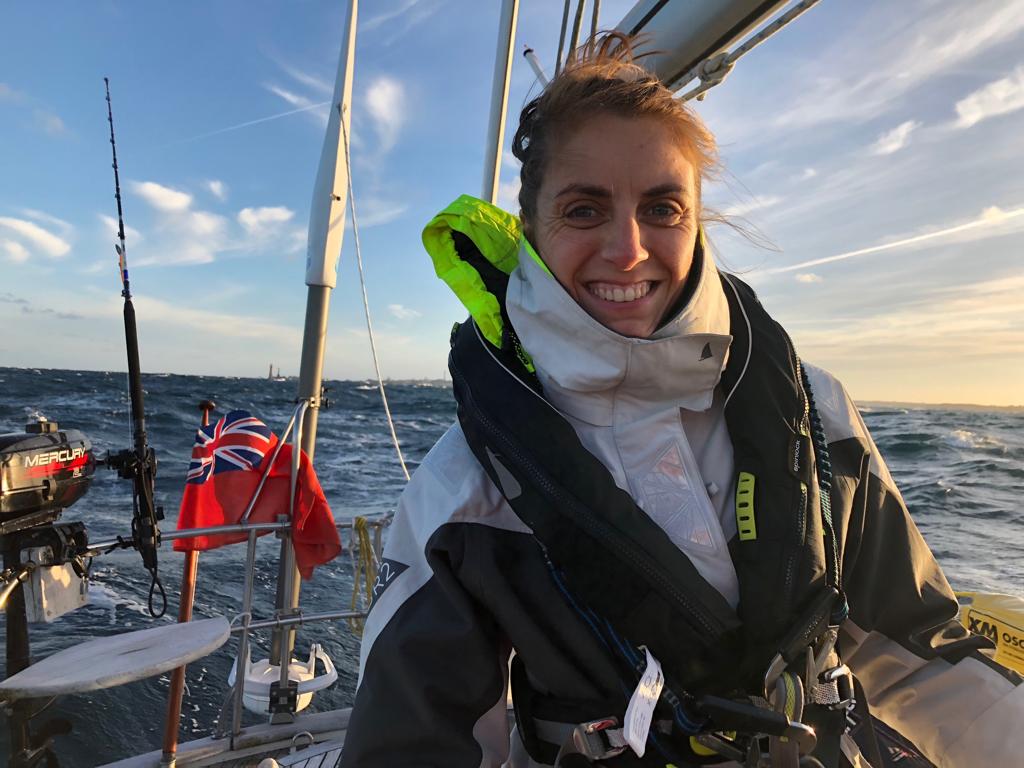
RYA Scotland has appointed Kim Guthrie to its Board as Director for Sport Development, bringing experience from dinghy racing, coaching, club leadership and education to the organisation's work supporting participation. The appointment was announced on 30 October 2026 and remains relevant to the small-boat community because the role is focused on the infrastructure that helps people learn, continue sailing and find suitable opportunities at local clubs. The official RYA account describes a sailor whose experience began at Loch Morlich in the Highlands and extended through youth performance pathways, coaching, keelboat activity and voluntary work. Her appointment is not a new sailing event or a promise of immediate funding for clubs. It is a governance and participation development within Scotland's recreational boating network.
From Loch Morlich to national development
The official announcement traces Kim's early connection with sailing to Loch Morlich, a freshwater setting in the Scottish Highlands. She went on to compete through performance pathways, including racing Toppers and Lasers, and later coached Optimists and Toppers. Those classes are closely associated with the first stages of dinghy sailing and the development of boat-handling skills. Learning to sail a small craft can involve reading wind, balancing a moving hull and understanding how controls interact. A pathway that begins on inland water may lead to different types of boating as experience grows. Kim's account illustrates that variety, without suggesting that every newcomer must progress into competitive racing or pursue the same route.
The value of racing experience
Dinghy racing can teach sailors to make decisions quickly while managing a small boat in changing conditions. Starts, mark-roundings, tactical choices and the discipline of respecting other competitors all contribute to the experience. The RYA's announcement identifies Kim's racing background as one of several aspects of her knowledge that may be valuable in a development role. Racing is not the only route into boating, however. Many people begin sailing for recreation, social connection or time outdoors. A sport-development programme needs to recognise those motivations alongside the ambitions of athletes. The new director's background spans both competitive activity and the broader practical experience of club life, making the appointment relevant beyond a single class or racing series.
Coaching Optimists and Toppers
The Optimist and Topper classes provide familiar entry points for young dinghy sailors. Coaching in these boats requires more than knowledge of racing tactics. An instructor must be able to explain basic movement, respond to different confidence levels and work within the safety arrangements of the venue. The RYA report says Kim has coached both classes and delivered sailing sessions across Scotland. That mix of activities connects the individual development of a young sailor with the practical needs of a club or training centre. No training course or qualification should be assumed from the announcement beyond what the RYA actually reports. The broader significance is experience with the grassroots settings in which participation begins.
Returning to a Highland sailing community
Kim is originally from Kingussie and has recently returned to the area, according to the governing body's account. She is also Vice-Commodore of Loch Morlich Sailing Club, where she volunteers while spending time with her family. The combination of a national board appointment and a continuing local club role offers a practical connection between policy and the people who use small boats. A governing body may set strategic priorities, but local organisations must consider the realities of their water, fleet, volunteers and facilities. Involvement at both levels can create opportunities for useful dialogue, provided those responsibilities are managed transparently and within normal governance procedures. The announcement describes a background, not a guarantee of particular future outcomes for the club.
A connection to cruising and keelboats
The RYA also describes Kim's experience in keelboat racing and cruising, both in Scotland and across the Atlantic. That broadens the story beyond youth dinghies. Keelboats and small cruisers can attract people who have learned in a training boat but want to travel farther or sail with family and friends. Owners and crews may need different kinds of support, from skill development to opportunities for joining an existing club fleet. A sport-development role that understands several types of sailing can help frame appropriate questions about access and participation. The official announcement does not say that a new offshore training scheme is being launched as a direct result of this appointment. It establishes the experience that Kim brings to the Board.
Education alongside boating
Kim works as a secondary-school geography teacher and holds an MEd in Professional Practice and a PhD in Geography, according to the RYA announcement. Educational experience can be relevant to how organisations plan training, welcome beginners and evaluate programmes. That does not make any one teaching model automatically right for every sailing club. The practical contribution may lie in asking clear questions about learning needs, communication and how people progress from initial interest to regular participation. Geography also provides a useful academic perspective on places, environments and communities, although the release does not specify a research programme connected to the new position. The relevant verified fact is her professional background and its addition to a Board whose responsibilities include sport development.
What the Board appointment means
The position is described as Director for Sport Development. A board role normally includes strategic oversight rather than responsibility for supervising individual sailing sessions. The announcement sets the appointment within RYA Scotland's effort to widen participation and support the sport. Readers should not infer that the new director personally manages every club course or determines the technical rules for all Scottish sailing classes. Those functions involve instructors, committees, clubs and the governing body's established structures. The role is significant because decisions at national level can influence priorities, coordination and the support available to organisations on the water. The effectiveness of such work will need to be judged through future developments rather than presumed from an appointment notice.
A new Sport Development Community Forum
The RYA says the appointment accompanies a revision of its committee arrangements, bringing together the RYA Scotland Coaching Collective and Participation and Development Committee in a Sport Development Community Forum. The forum is chaired by longstanding volunteer Neil Beveridge. This organisational detail is more significant than the new title alone. Coaching and participation may share practical challenges, including recruiting volunteers, ensuring that training remains attractive and supporting those who want to keep sailing after an initial course. Combining discussion across these areas could help identify common needs. The official release describes the structural change; it does not publish a list of guaranteed projects, specific budgets or measurable outcomes that have already been achieved.
Participation requires local flexibility
Scottish sailing clubs operate in varied environments, including inland lochs, sheltered harbours and exposed coastal waters. The challenges faced by each organisation may differ. One club might have suitable boats but limited volunteers; another might need to attract younger members or improve access for families. A broad national programme must recognise those differences. The appointment can be understood as part of an attempt to strengthen cooperation and develop opportunities across the sport. It should not be portrayed as a claim that participation in a particular region has already doubled or that any new safety rule has been introduced. The practical test will be whether clubs and training organisations receive support that suits their circumstances.
Why a volunteer viewpoint matters
Volunteers are at the heart of many small-boat clubs. They help prepare racing, maintain facilities, organise courses and welcome people who have never sailed before. Kim's continuing involvement at Loch Morlich Sailing Club provides a direct connection with such work. A national director who understands the practical demands faced by voluntary organisations may be able to raise questions about what support is most useful. But there is a difference between recognising that perspective and predicting results from it. The RYA announcement presents her experience as an asset to the Board; specific future programmes should be reported when they are formally announced. For now, the verified story concerns a person joining the structure that guides development.
A place for every kind of sailor
One challenge for governing bodies is balancing competitive pathways with other reasons people enjoy boating. Some young sailors will aspire to national squads, while others may want a weekend dinghy outing or occasional cruising with friends. Adults who discover sailing later in life may seek a calm introduction rather than a structured race programme. A development strategy needs to accommodate this variety if it is to serve the recreational community. Kim's background connects several of these experiences—youth dinghies, coaching, performance sailing, keelboats and local club activity. The official report does not claim that she has personally introduced a new participation policy yet. It describes the capabilities she brings to a role concerned with supporting future activity.
Governance and measurable progress
Appointments to national sporting bodies are meaningful when they contribute to well-governed programmes and useful decisions. Clubs may want to know how they can provide feedback, what support is available and how new arrangements affect existing committees. The announcement names the Sport Development Community Forum and invites people interested in getting involved to contact RYA Scotland. Those are practical starting points for engagement. It remains important to distinguish a plan from a completed result: no increase in training places, change in participation or number of supported clubs can be attributed to the new director solely on the basis of the October announcement. Subsequent reporting should be based on published activity and credible evidence.
Photography and official provenance
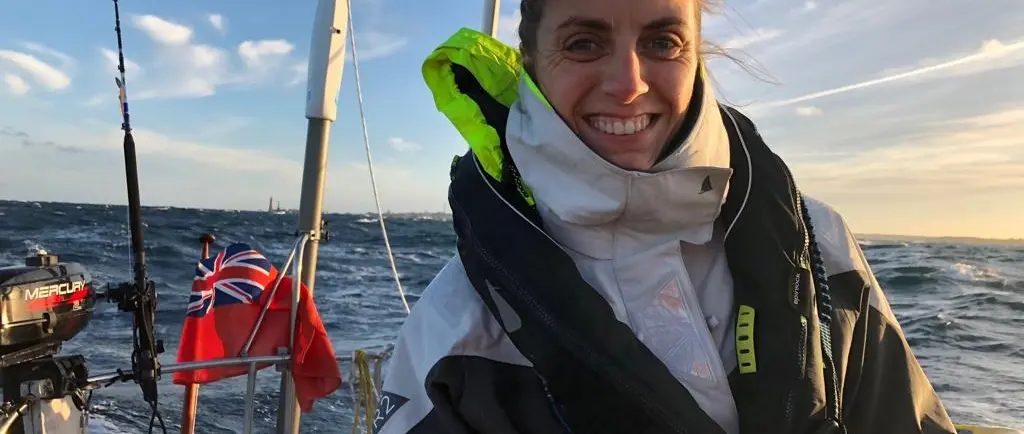
The lead image is a genuine photograph supplied on the RYA Scotland appointment page, identifying the subject of the board news rather than illustrating an unrelated competition. The photographic file was published with the RYA's 30 October 2026 statement; original rights remain with the organisation and photographer. The article's factual details about Kim's background, current volunteer role, qualifications and the revised committee structure come from that same primary announcement. No private details beyond those voluntarily made public by the RYA have been added. The photograph is presented as an official editorial image of the subject, not as evidence of a new dinghy race or an event held in November.
A development story for small-boat sailing
The appointment is part of the quieter work that shapes the future of recreational boating: choosing priorities, strengthening volunteer networks and connecting training with continued participation. RYA Scotland has brought onto its Board someone with experience as a learner, racer, coach, club volunteer and educator. Those are relevant perspectives for an organisation serving people whose boating often begins in dinghies or small keelboats. The next phase will be defined by the Board and Sport Development Community Forum's work, which should be reported on its own evidence. The confirmed news is the October 2026 appointment and the organisational change accompanying it, with implications for how Scotland supports its sailing community in the years ahead.
Sources and image attribution
Primary reported announcement: https://www.rya.org.uk/news/kim-board-welcome/.
Official photographic provenance: https://www.rya.org.uk/news/kim-board-welcome/. Image supplied by the originating organisation, credited in the photograph title; original copyright remains with the rights holder. Official image file. The photographs are documentary or clearly labelled archival illustrations, not evidence of events that have yet to happen.