
What has been announced
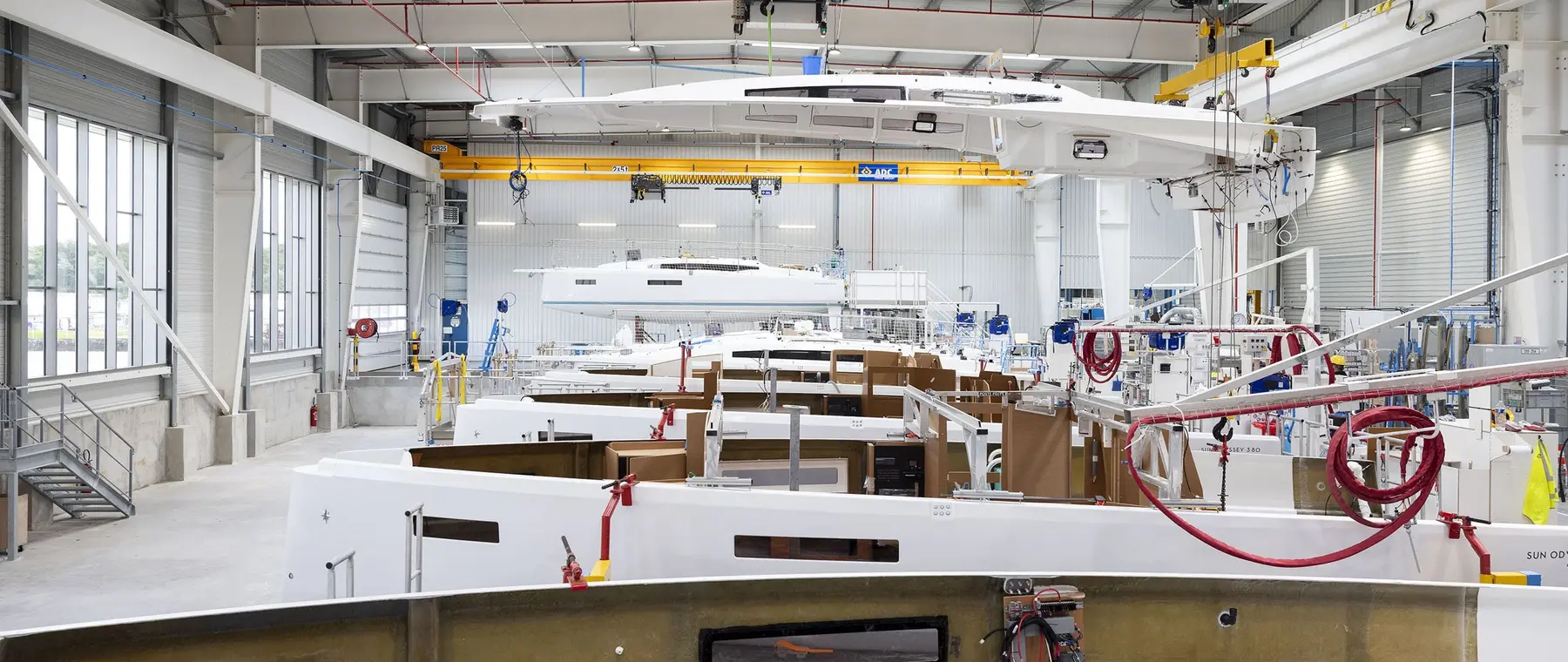
Jeanneau has outlined the main stages used to turn a new boat design into a completed production model. The development has practical relevance for the recreational-boating market.
The process begins with digital design and engineering before moulding, structural assembly, interior work and systems installation take place. It also shows how manufacturers are adapting products and support around the way owners actually use boats.
Quality-control checks are carried through multiple stages rather than being left only to final inspection before launch. The detail matters because reliable equipment and accessible support influence confidence every time a boat leaves the dock.
Why it matters to boaters
For buyers of production boats, understanding the build process helps explain how repeatability and quality are maintained across a model series. For LBG readers, the value lies in the effect on day-to-day ownership rather than the corporate announcement alone.
Smaller-boat owners often depend heavily on dealer support, straightforward maintenance and equipment that is easy to understand. Those factors can have a larger effect on actual boat use than headline specifications or marketing claims.
The recreational marine market is increasingly competitive across propulsion, electronics, boatbuilding and service. Brands are therefore under pressure to improve the whole ownership experience from purchase and commissioning through maintenance and eventual resale.
The wider boating picture
That competition can be positive for boaters when it produces clearer support, better availability and products designed around real operating conditions. It also gives buyers more reason to compare networks and after-sales capability alongside price.
This story is worth following because the strongest marine-industry developments are the ones owners continue to notice after the launch event is over. Practical reliability, access and support remain central to enjoyable leisure boating.