
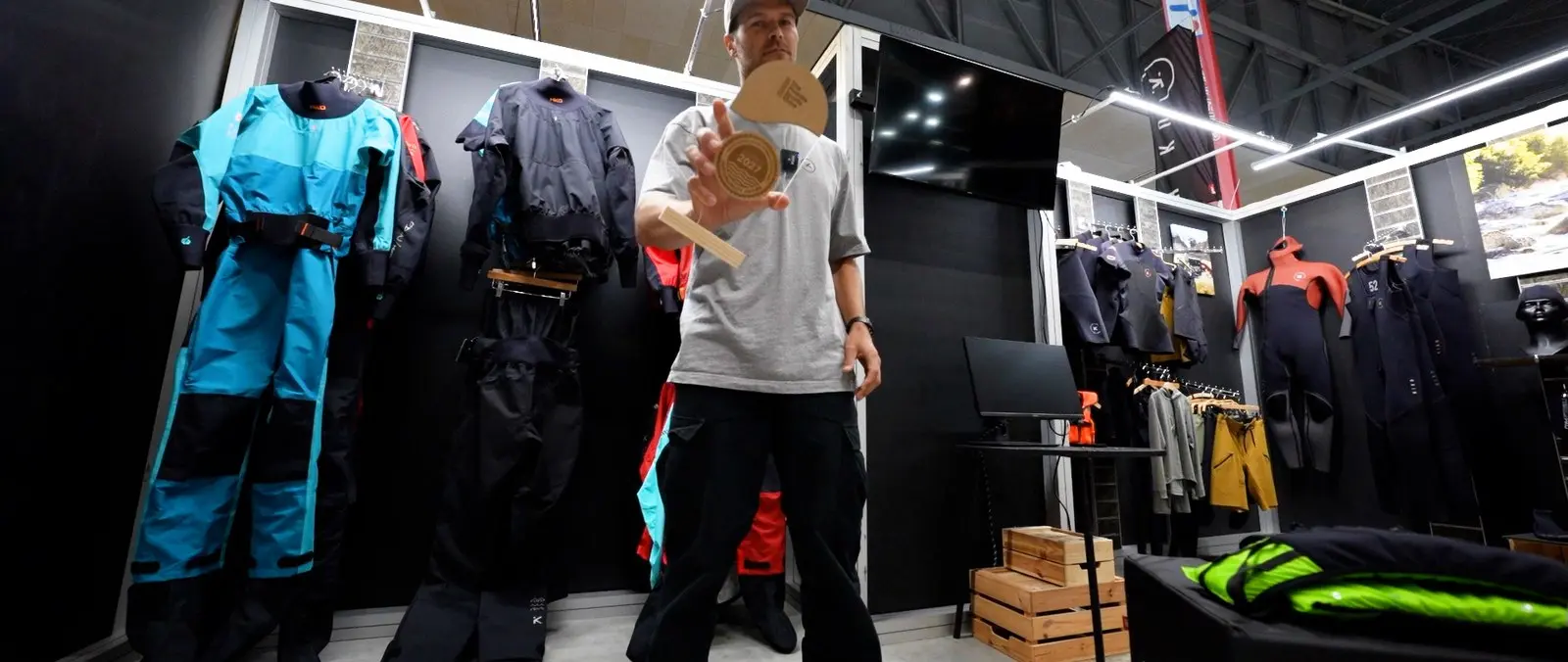
Factory energy, rather than a new kayak, wins the award
Hiko has received the 2027 Sustainability Award at the Paddle Sports Show in Strasbourg for measures taken at its manufacturing operation. The organiser reports that 180 solar panels with a combined rated capacity of 100 kilowatt-peak have been installed, allowing the site to operate on solar power for eight months of the year. The award recognises a change to production infrastructure rather than an individual clothing or paddling accessory.
The difference matters because the environmental footprint of boating products includes the energy and materials used before an item reaches a customer. Efforts to improve manufacturing may affect a wide range of equipment, although the overall impact cannot be assessed from the number of panels alone. A full evaluation would also consider materials, transport, durability and product disposal.
What a 100kWp installation represents
Kilowatt-peak describes the rated output of photovoltaic equipment under standard test conditions, not the electricity that panels will produce every hour. Actual generation changes with sunshine, season, shading and the installed system. Hiko's reported 100kWp installation therefore gives a useful sense of the project's scale without establishing a fixed annual energy saving in the absence of measured data.
The show describes the factory as being fully solar powered during eight months of the year. That should not be interpreted as a claim that the entire operation is independent of the electricity grid throughout winter. A manufacturer with seasonal solar capacity still needs to manage production schedules and energy demand when generation is lower.
Manufacturing decisions extend beyond electricity
Hiko's sustainability story also includes attention to equipment materials, including an avoidance of PTFE membranes and a move toward PFAS-free durable water-repellent finishes. These choices can influence environmental considerations surrounding technical clothing, though product performance and lifespan remain essential. A garment replaced too quickly may carry a significant footprint despite one positive feature.
Specialist paddling equipment is often exposed to abrasion, salt and repeated wet use, placing demands on construction and repairability. Manufacturers need to find a balance between reducing environmental impact and providing suitable protection for the intended activity. Buyers should read current product specifications and care instructions rather than assume every Hiko garment contains the same materials.
Why the manufacturing site matters to boaters
Many customers assess environmental claims at the point of purchase, focusing on whether a kayak contains recycled plastic or a jacket uses a particular fabric. Factory energy can be less visible but may influence the total impact of producing those items. Public recognition of Hiko's solar investment directs attention to a part of the supply chain that deserves scrutiny.
At the same time, different manufacturers operate in climates and buildings with very different energy options. A solar solution that performs well at one site will not automatically be suitable at another. The more transferable practice is to measure energy use, identify practical reductions and explain the results transparently.
A measurable first step, not a final verdict
The Strasbourg award confirms that Hiko's work was recognised by the Paddle Sports Show for the 2027 cycle. Its installation of 180 panels and the eight-month operating claim provide concrete points that can be followed over time. Further disclosure of energy generation, consumption and other environmental measures would help customers understand progress in greater detail.
For small-craft owners, the story illustrates that responsible boating involves more than careful handling on the water. Manufacturers, suppliers and boaters all contribute through equipment choices, maintenance and resource use. A strong sustainability programme is one that continues to generate verifiable results after the applause at a trade-show ceremony has ended.