
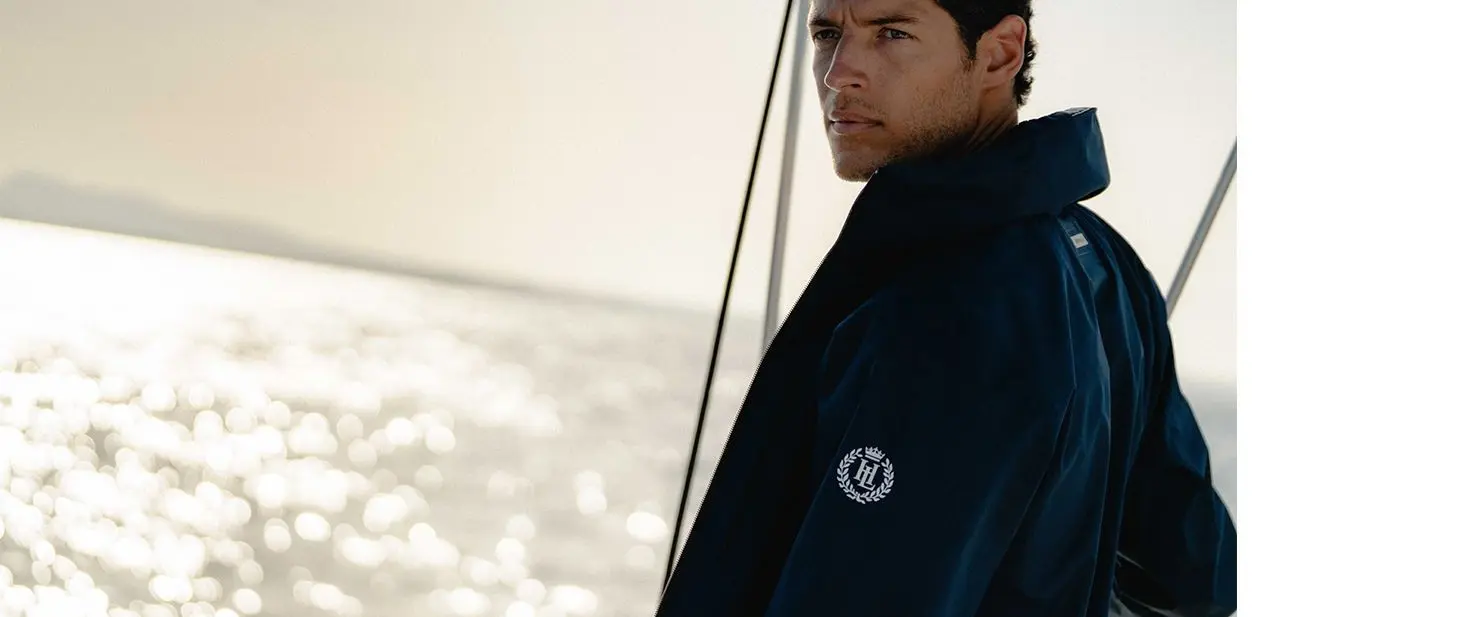
Three designs for different boating conditions
Henri-Lloyd has introduced Breeze, Cool Breeze and Polar Breeze jackets for boating teams and other marine businesses. The company says the three models share the same basic appearance while offering different insulation levels, allowing organisations to choose appropriate clothing for varied roles.
British Marine reported the expansion on 16 October 2026, noting that the collection is available now and will also be presented at Metstrade in Amsterdam. Both men's and women's fits are included in the range.
Breeze is a lightweight waterproof shell
The basic Breeze jacket is intended for use in changeable conditions, with a reported 10,000-millimetre waterproof rating, taped seams and a design made without PFC finishes. Buyers can choose a version with an integrated hood that folds into the collar.
Lightweight shells can be useful for marina staff and day sailors who need protection from spray and rain without heavy insulation. The stated waterproof rating is a laboratory figure rather than a guarantee of comfort in every weather situation.
Cool Breeze adds fleece warmth
Cool Breeze retains the same general silhouette but includes a fleece lining in the body. It is aimed at people who need a warmer garment while continuing to move between indoor tasks and outdoor activity.
Henri-Lloyd offers hood options and a coordinated choice of colours. Crew organisers should consider the temperature and physical demands of each job, rather than selecting identical insulation for everyone.
Polar Breeze is intended for colder days
Polar Breeze uses the waterproof shell concept with a warmer lining and additional insulation in the sleeves. Its hood and construction are designed for marine teams working outside in lower temperatures.
Layering remains important when moving between exposed decks and warmer areas. Clothing alone cannot replace proper lifejackets, non-slip footwear or the precautions necessary during cold-water operations.
Consistent teamwear is the commercial focus
The three variations are designed so sailing clubs, charter operators and marine businesses can retain a coordinated appearance. Small brand labels and personalisation options make the collection suitable for uniforms and club clothing.
Individual boat owners can also compare the jackets by weather protection, fit and comfort. The practical decision is whether the garment suits the intended trip and climate, not just whether it matches a team's colour scheme.
Layering is useful on exposed decks
Clothing for a boating day must cope with changes in wind, temperature and activity. A jacket that feels warm while standing on a dock may be excessive when hauling ropes or working in the cockpit. Wearing adjustable layers helps sailors respond without becoming uncomfortably hot or allowing perspiration to make insulation damp.
The Breeze range offers different warmth levels under a consistent overall design. Choosing among them should depend on the intended duties, prevailing climate and how much movement is involved. One member of a marina crew may spend hours outdoors while another moves frequently between an office and a workshop.
Understand what waterproof ratings mean
A numerical waterproof rating is measured under specified test conditions and provides a way to compare material performance. It does not guarantee that a jacket will stay completely dry indefinitely in every form of sea spray, rain or pressure. Seam construction, closures and hood fit also affect comfort.
Buyers should consider the expected duration of exposure and the opportunity to dry clothing between outings. A lightweight jacket may be adequate for short coastal trips yet less suitable for prolonged cold and wet passages. Trying the garment over normal sailing layers can help confirm freedom of movement.
Mobility matters when handling a boat
Crew members need to reach winches, cleats and mooring lines without clothing restricting their movements. Cuffs, pockets and loose fittings should be assessed with practical tasks in mind rather than only how the jacket looks in a mirror. A garment that catches on equipment can be inconvenient and may become hazardous.
The fit around the shoulders is important when arms are raised or extended. Boats involve frequent bending and stepping, and a useful jacket must remain comfortable in those positions. Owners who sail short-handed may place particular value on clothing that does not need constant adjustment during a manoeuvre.
Insulation must suit the work
Fleece and warmer linings can make a significant difference when a person is relatively inactive in cool conditions. During energetic tasks, the same insulation may be excessive and lead to uncomfortable overheating. The three Breeze variants provide choices, but their suitability is best assessed against the weather and personal preference.
Wind protection also matters because moving air can increase heat loss from damp clothing. A mid-layer may offer flexibility when paired with a suitable shell. The ideal combination will vary between day sailing, marina work and a colder passage, and no single jacket should be expected to handle every season without additional layers.
Teamwear presents practical challenges
A uniform collection can help staff appear coordinated while allowing individuals to choose a warmth level appropriate to their tasks. Consistency of branding may be useful to a charter company or sailing club, but sizing and comfort should not be sacrificed simply to create a shared appearance.
Organisations ordering clothing for several people should allow proper fitting and consider replacement availability. A standard design can make it easier to equip new staff, although actual stock and customisation options need confirmation. The best uniform remains functional when wet, worn repeatedly and used in the normal work environment.
Clothing is not protective safety equipment
A waterproof jacket cannot replace a suitable lifejacket or personal flotation device where needed. Paddlers and sailors should also consider footwear with reliable grip, thermal protection appropriate to water temperature and other precautions required by the activity. Clothing choices form only one part of onboard safety.
Henri-Lloyd's collection expansion offers options for customers needing coordinated marine outerwear. Buyers should consult individual product specifications, care instructions and available sizes before purchasing. The practical objective is clothing that helps people remain comfortable and mobile in the conditions they will face.
Care instructions deserve attention after a season of saltwater use. Washing products incorrectly or exposing them to excessive heat can damage coatings or reduce the performance of water-resistant fabrics. Staff responsible for team clothing should keep the manufacturer’s instructions available and arrange drying and storage facilities that do not damage the garments.
An organised team may also need clothing in high-visibility or identification colours to help passengers recognise staff. Appearance should be balanced against any uniform and safety requirements set by the operator. Adding company branding should not compromise waterproof seams, essential ventilation or the practical movement of the wearer.