RYA Cymru Wales has launched Healthy Welsh Boating, a programme intended to help more people take part in sailing, keelboating and other water-based activities across Wales. Announced on 13 November 2026, the initiative focuses on three connected areas: inclusive Sailability provision, relationships with schools and pathways into keelboat sailing. The association plans to appoint a full-time programme officer and work with regional coordinators as delivery develops. The initiative is a commitment to improving access rather than evidence that a particular participation target has already been reached. Its wider significance is the way it addresses a familiar challenge for leisure boating: a successful introductory day on the water does not always translate into a practical opportunity to return.
From a first experience to an enduring activity
An introductory sailing session may leave someone enthusiastic, but continued participation depends on what happens afterward. A beginner needs to know where to find an appropriate club, whether equipment can be borrowed, what training is available and whether suitable sessions take place at times that work around school, family and employment. These questions may seem less glamorous than a new boat launch, yet they shape the health of local sailing. Healthy Welsh Boating is intended to help organisations make the transition from first encounter to regular participation easier. That should not be confused with a guarantee that every venue will immediately expand its services. The association is establishing partnerships and support systems, while individual clubs and centres will still need to assess their capacity, facilities and safety arrangements.
Three practical directions for the programme
The programme's three priorities address different entry routes into boating. The Sailability strand is intended to build on existing inclusive sailing activity and support more locations in offering suitable experiences. Schools are the second route, with the association seeking stronger relationships and better opportunities for young people to continue after initial sessions. The third direction is keelboating, where taster experiences, connections between potential crew and existing owners, and more visible local opportunities could widen involvement. These parts belong together because they do not assume that a single activity or training pathway fits everybody. A young dinghy sailor, an adult looking for a place on a modest club keelboat and a participant who needs adapted equipment may all face different obstacles despite sharing an interest in being afloat.
How Sailability could develop
RYA Cymru Wales says the inclusive strand will champion established Sailability programmes and help more venues develop the facilities and confidence needed to welcome disabled participants. Its announced ambitions include a Sailability festival in each region and the development of one Para Pathway Club annually. Both are plans, not completed events or confirmed awards of status. Delivering them will require attention to the details that determine whether people can take part safely and with dignity. Access paths, hoists where appropriate, boarding arrangements, suitable boats, trained staff and practical communications are all relevant. No single design solution works for every impairment, and a club should not assume that a vessel becomes universally accessible simply because it has been modified. Consultation with the people using the programme is therefore a fundamental part of responsible implementation.
Schools as an invitation rather than a one-day event
School-based activities can introduce children to the water who might not otherwise encounter local sailing clubs. The challenge is preserving that curiosity when the organised visit ends. The new programme sets out to work with schools and club organisations on junior sailing, water-safety awareness, retention and development through sport. Appropriate safeguarding, qualified instruction and suitable equipment must remain central to any school activity. The initiative does not announce that all schools in Wales have enrolled or that a new national qualification is mandatory. Instead it offers a framework for local partnerships. Clubs may find it useful to consider how a young person can progress from a school session to a regular beginner group without immediately needing to own a boat or persuade a parent to make a large financial commitment.
Keelboating without a personal boat purchase
Keelboat sailing may be unfamiliar to people who associate boating with either a dinghy or a privately owned cruiser. Yet a club-operated or shared boat can introduce participants to teamwork and helming without making ownership a prerequisite. RYA Cymru Wales wants to increase awareness of keelboating, support taster sessions and connect aspiring crew with existing boat owners. Its announcement also mentions the possibility of a competition model resembling the British Keelboat League. That is an aspiration, not a confirmed fixture with an entry list or racing calendar. The practical opportunity lies in making the first contact easier. A person who wants to try sailing should be able to discover what is available nearby, what skill level is required and how to take part in a supervised environment.
The work behind regional delivery
A full-time Healthy Welsh Boating Officer is planned to lead the work, supported by regional project coordinators. That staffing model recognises that clubs and watersports centres differ markedly between parts of Wales. A coastal sailing association, inland reservoir club and school-based provider can have distinct facilities and operating constraints. It is reasonable to expect local planning to reflect those differences rather than imposing a single event format everywhere. The original announcement does not specify the final appointment results, full staffing numbers or a complete delivery timetable. Readers should distinguish the recruitment and coordination proposals from achieved programme outcomes. The useful next development will be evidence of how regional partners can access support and what activities actually begin under the new arrangements.
Inclusion is not only a matter of equipment
Practical access includes more than ramps or specially adapted boats. Information must be understandable, newcomers need to feel welcome and organisers should avoid assuming that everyone arrives with the same knowledge of sailing terms, costs or club customs. Some barriers involve time and transport; others concern confidence, disability access or the simple absence of a person to explain the available choices. Effective club programmes can respond by publishing clear introductory arrangements and providing realistic expectations about clothing, supervision, fees and progression. These are editorial considerations prompted by the programme, not instructions issued as a new RYA standard. Each activity still needs competent safety management and compliance with the relevant organisation's safeguarding and training rules.
Why the small-boat sector should pay attention
The leisure boating community depends on people finding rewarding and affordable reasons to stay involved. More regular club activity can sustain demand for dinghy repairs, safety equipment, instruction, launching facilities and local marine services. This is a possible long-term connection, not evidence that the Welsh programme has generated new sales or employment already. The more immediate significance lies with volunteer-led clubs and training centres that face the daily challenge of maintaining participation. A small boat may be inexpensive relative to a cruiser but still difficult to use without an accessible launch point, storage or a community of experienced people. Support that connects participants to those facilities can matter as much as promotion of the sport itself.
Measuring progress responsibly
The association has stated ambitions, but participation outcomes will require evidence over time. A festival can be well attended without creating ongoing opportunities; conversely, a small regional group that welcomes a handful of new participants consistently may be achieving an important purpose. Useful measures could include the number of participating clubs, regular repeat attendance, access improvements and whether people who begin through schools find routes into later activity. Such measures would need clear definitions and reporting before they could be presented as results. It would be inappropriate to report increased wellbeing, economic benefits or inclusion as proven consequences of a programme that has only just been launched. The starting point is a stated intention and a mechanism to pursue it.
Relationship to the RYA strategy
Healthy Welsh Boating sits within the Welsh association's strategy for connected, inclusive and sustainable boating communities. It also complements the broader RYA commitment to increasing participation and improving access to the water. Sarah McGovern, the RYA Cymru Wales chief operating officer, has explained the importance of linking people with local opportunities and supporting pathways that last beyond a single event. The project is not a new class of boat, an equipment endorsement or a substitute for established sailing instruction. It is organisational work that could make those activities more widely available. The distinction matters for readers deciding how to get involved: they should look for actual local schemes rather than assume that national ambitions are automatically available in every location.
The next verified steps
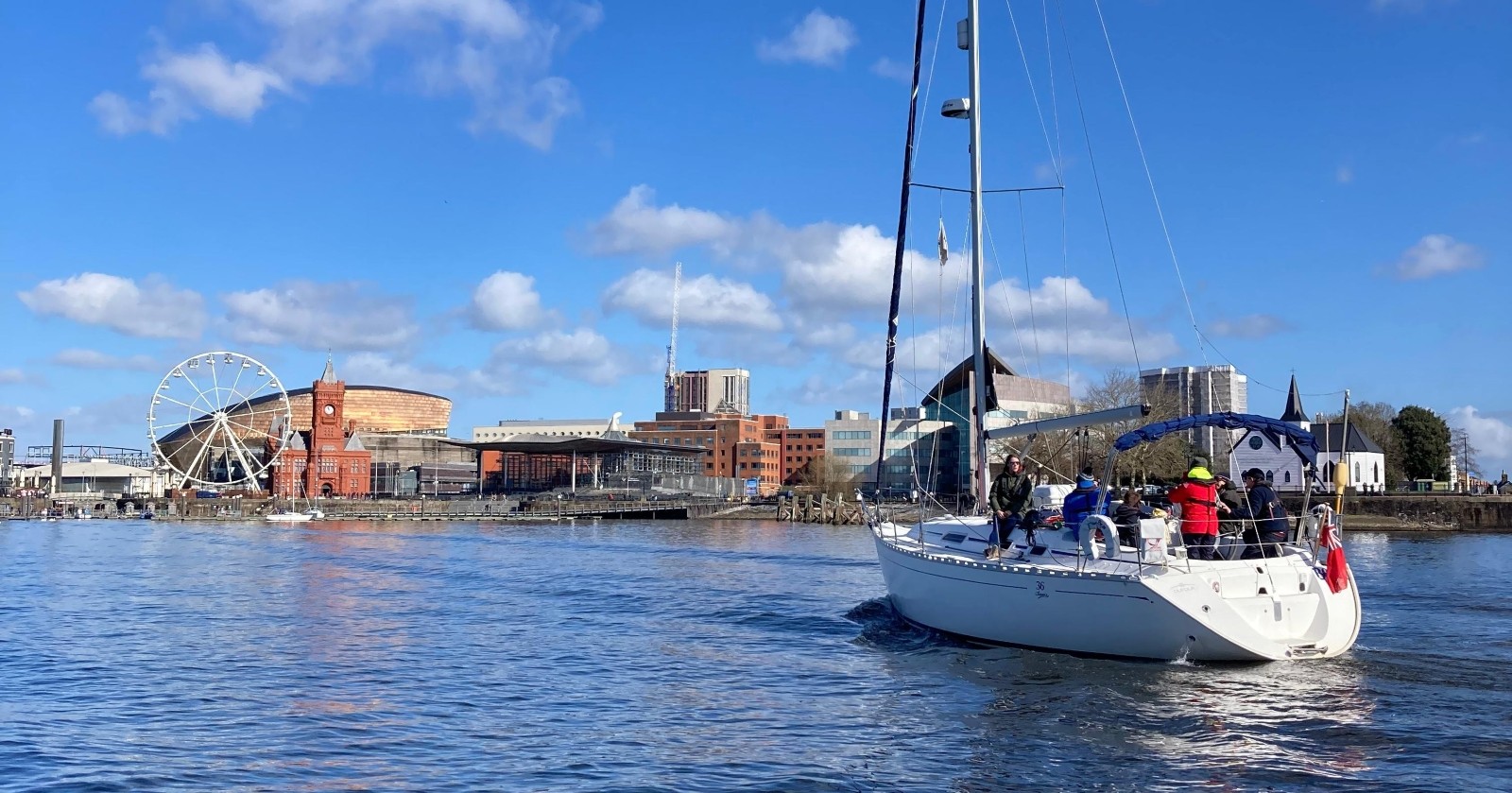
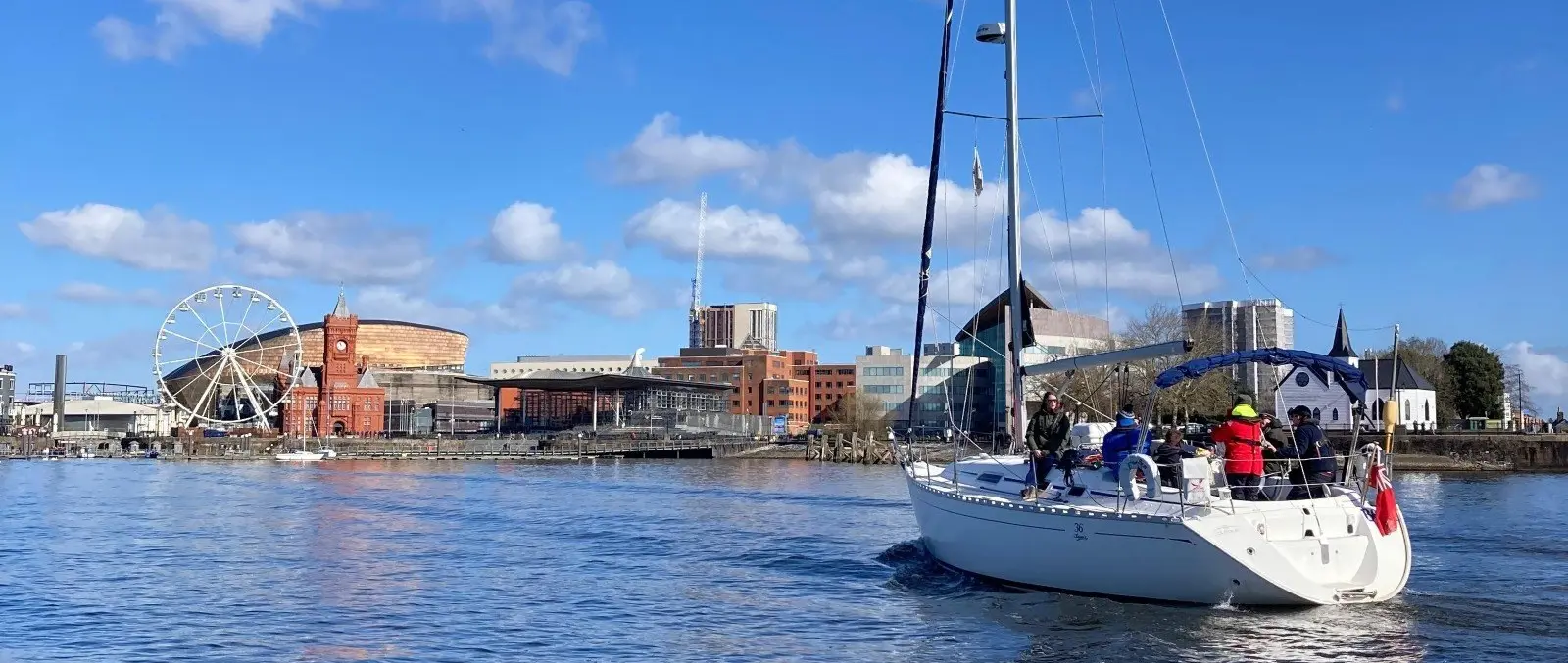
The official release confirms the programme's launch, its three priority strands and its intention to recruit staff and work with regional partners. It does not provide a completed venue list, programme-wide timetable or verified participation results. Clubs, schools and potential participants should follow RYA Cymru Wales for specific announcements and enquiries. The official accompanying photograph shows real water-based activity in Wales; it is an illustrative association image rather than evidence of a completed Healthy Welsh Boating festival. The immediate news for small-boat readers is that Wales has set out a coordinated approach to opening more routes into boating, from accessible club sailing and schools to introductory keelboat experiences. Whether it delivers sustained participation will become clearer as local activities take shape.
Sources and image attribution
Primary reported announcement: https://www.rya.org.uk/news/healthy-welsh-boating/.
Official photographic provenance: https://www.rya.org.uk/news/healthy-welsh-boating/. Image supplied by the originating organisation, credited in the photograph title; original copyright remains with the rights holder. Official image file. The photographs are documentary or clearly labelled archival illustrations, not evidence of events that have yet to happen.