
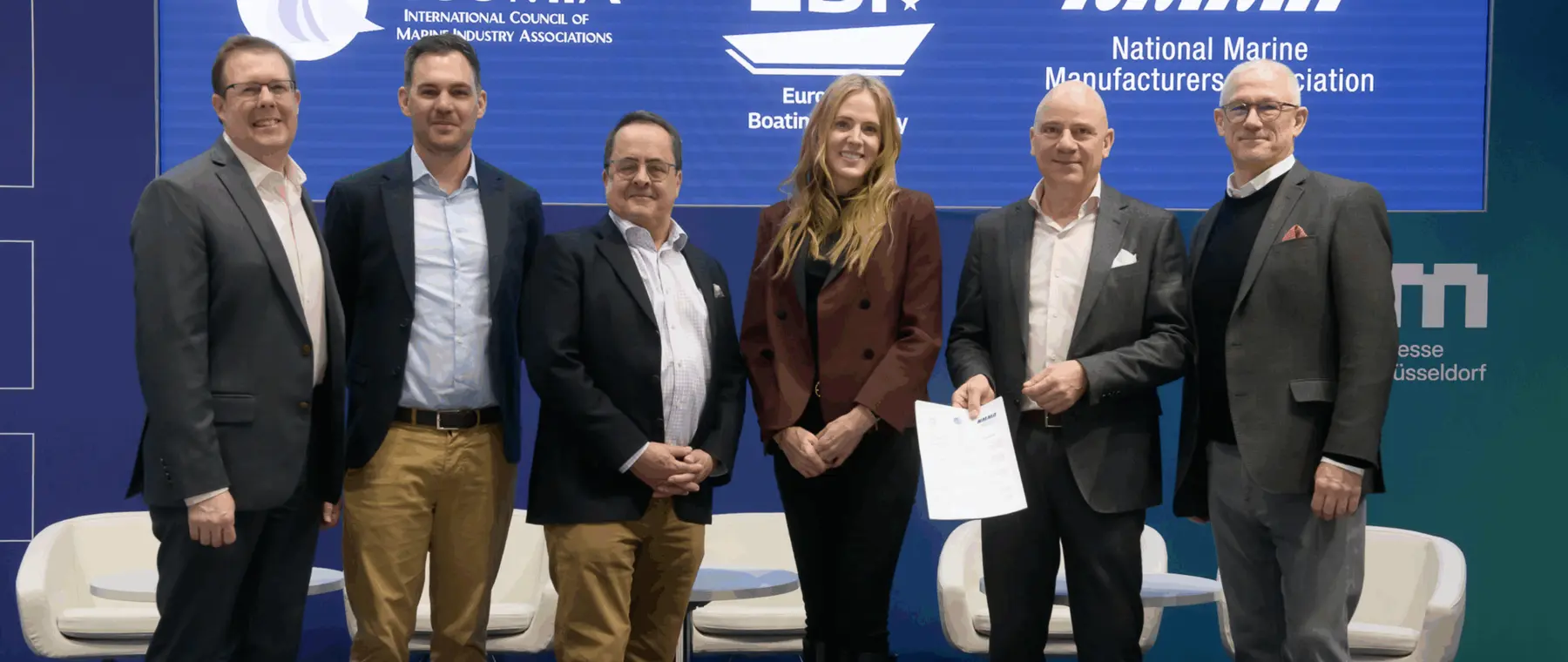
ICOMIA, European Boating Industry and the National Marine Manufacturers Association have launched a global survey to help shape a harmonised Life Cycle Assessment methodology for recreational boats. The project is intended to give boatbuilders and suppliers a consistent way to assess environmental impacts across a craft's full life cycle.
The survey asks companies about their current LCA experience, available resources, implementation barriers and training needs. Responses will be used to refine a practical tool that can work across different boat types, markets and business sizes.
A common method for boatbuilders
The initiative builds on earlier European work through the Blue Boat Horizon project but aims to create a globally aligned framework. The partners say the methodology should be scientifically robust while still being usable by commercial boatbuilders and suppliers.
A shared method could make environmental claims easier to compare and reduce the risk of companies using incompatible calculations. It may also help builders prepare for future reporting requirements and customer requests for more transparent sustainability information.
Pilot trials are planned for late 2026
Companies taking part in the survey may be invited to test a trial LCA tool from October to December 2026. Those trials are intended to reveal where the methodology is difficult to use before wider industry adoption.
The current project is not a new legal requirement for leisure boats. It is an industry-led attempt to establish a common assessment framework that regulators, builders and customers could understand more easily.
Why this matters to smaller leisure boats
Although the project extends beyond Leisure Boat Guide's under-12m market, many of the materials, engines, batteries and accessories being assessed are used heavily in smaller recreational craft. A common framework could therefore influence design, sourcing and product claims throughout the sector.
For buyers, the long-term value would be clearer information rather than another badge on a brochure. The methodology will still need independent scrutiny and consistent data if comparisons between different boats are to be meaningful.