
Satellite communication in a pocket-sized unit
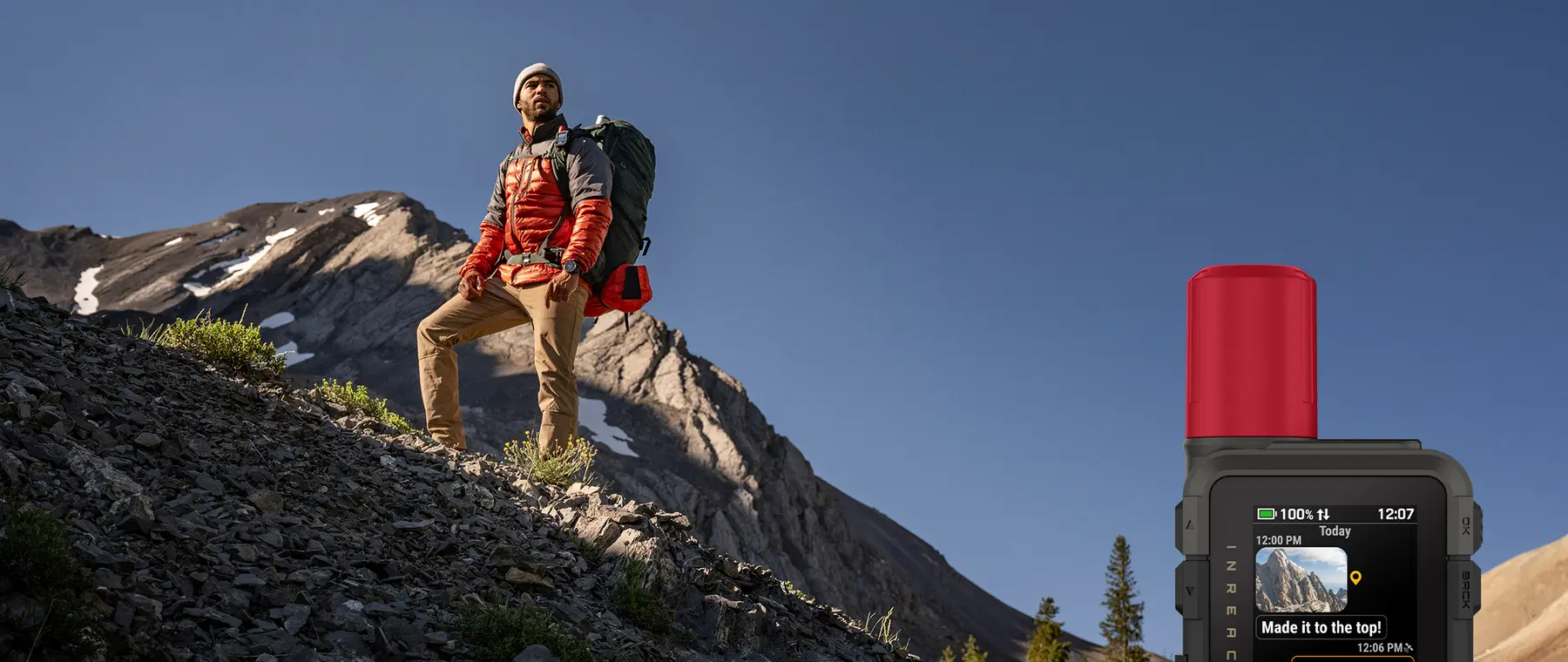
The inReach Mini 3 Plus is designed to maintain two-way communication where terrestrial mobile coverage is unavailable. Garmin added a colour touchscreen plus a built-in speaker and microphone, allowing voice messages as well as text and photo exchanges through the satellite service.
That combination can be useful aboard smaller boats where owners want an independent communication device without committing space to a large terminal. Satellite service requires an active subscription, and users should understand the plan limits before relying on it for routine messaging.
Interactive SOS adds an emergency communication route
The communicator can trigger an interactive SOS to the Garmin Response centre, allowing two-way communication during an emergency. It can also transmit location information, giving responders more context than a one-way alert alone.
A handheld satellite communicator complements rather than replaces normal marine safety equipment. VHF radio, distress beacons, lifejackets and a properly planned emergency procedure remain important because different systems cover different failure and rescue scenarios.
Battery endurance supports multi-day trips
Garmin quotes up to 330 hours of battery life in 10-minute tracking mode under stated operating conditions. For cruising, fishing or remote shoreline trips, that endurance reduces the need to recharge the unit every day when it is being used mainly for tracking and occasional messages.
Actual battery performance depends on settings, message frequency, temperature and sky view. Keeping the unit charged, protected from loss and accessible to the crew is more important than simply carrying it somewhere aboard.
NMEA recognition underlines marine relevance
Although the Mini 3 Plus is also marketed to outdoor users, the 2026 NMEA award places it squarely within the marine-electronics conversation. Small-boat owners often value equipment that can leave the boat with them when exploring ashore or moving between vessels.
Before departure, users should pair and test the device, confirm subscription status and make sure emergency contacts understand how location sharing works. A short pre-trip test is a better time to discover a login, pairing or account problem than when the boat is already outside mobile coverage.
Official sources: www.nmea.org; www.garmin.com.