
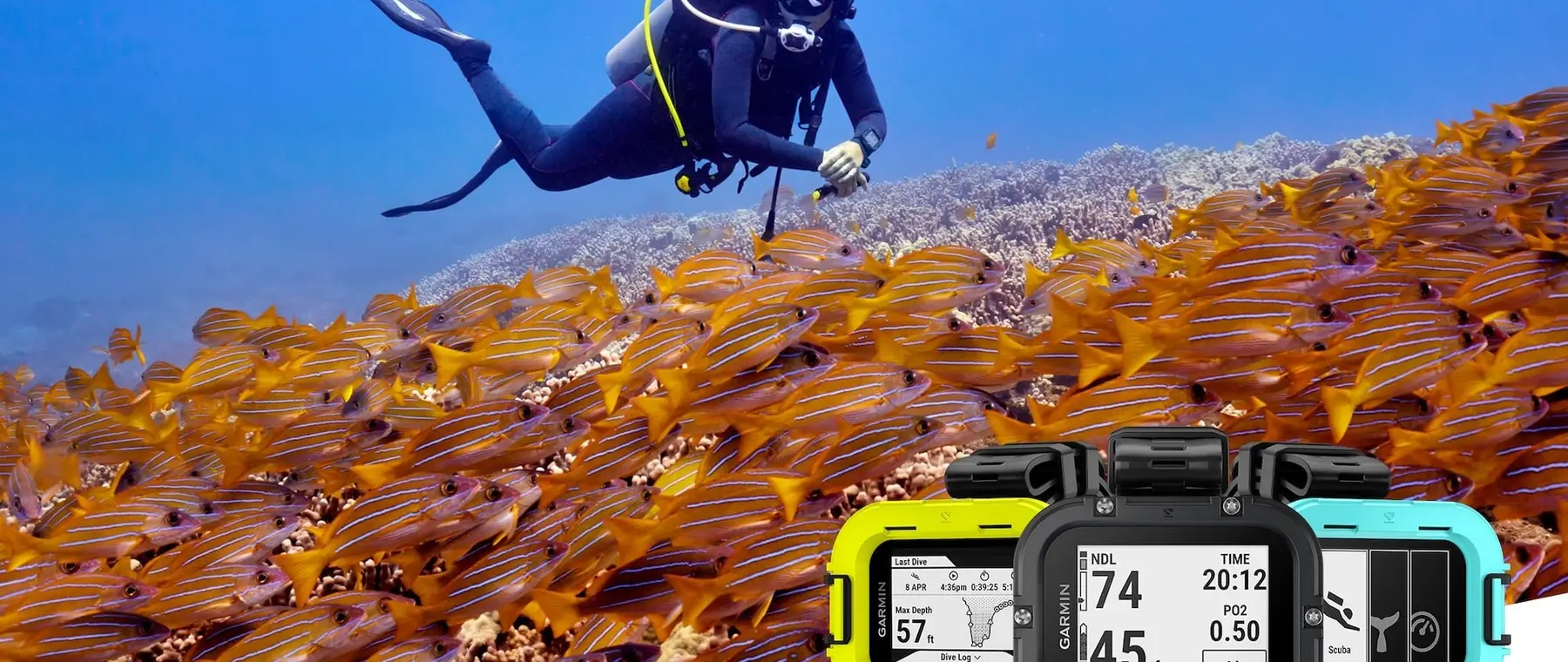
A dive computer aimed at accessibility
Garmin has announced the Descent X10, a dedicated wrist-worn dive computer intended to put essential information within easy sight of divers at different experience levels. Unveiled on 3 November 2026, the new unit has a high-contrast 2.1-inch backlit display and a suggested United States retail price of $349.99. For leisure-boat owners, the launch is relevant to diving from a tender or family cruiser as well as to specialist dive operators.
The X10 concentrates on displaying depth, elapsed time, oxygen information and other core dive data without requiring the user to navigate a large collection of smartwatch features. Garmin also highlights a rental mode for schools and dive shops, making this a product intended for supervised group activities as well as privately owned equipment. That focus helps explain the relatively direct interface.
Readability in different light
Garmin says the always-on screen uses large text, a backlight and a high-contrast layout intended to remain legible from bright daylight on a boat to darker conditions beneath the surface. A quick glance is especially valuable when a diver is managing buoyancy, buddy contact and environmental conditions simultaneously. Screen readability is therefore more than a cosmetic characteristic.
The company offers coloured, replaceable bezel guards as optional accessories, including bright yellow and aqua among the choices. These may help an instructor identify equipment assigned to individual students and add protection to the exterior. The guards are sold separately, so the basic quoted price should not be mistaken for the cost of every accessory shown in promotional photographs.
Scuba, apnea and gauge choices
The Descent X10 includes scuba, apnea and gauge modes, covering several common types of recreational diving activity. Garmin rates the case to 10 ATM and provides its NDL Aware depth metrics, which show how changes in depth can affect the no-decompression limit. Such information is intended to support a trained diver's planning and awareness, not replace formal instruction or approved operating procedures.
A diver moving between a conventional tank dive and breath-hold activity has different priorities on the display. Separating these profiles helps keep relevant measurements prominent without suggesting they are interchangeable. It remains important to select the correct mode, check gas settings where applicable and follow recognised dive planning practices with a properly equipped buddy or team.
Battery life and boat-based charging
Garmin quotes up to 50 hours of dive time from the rechargeable battery and as much as six months in standby. These are manufacturer-stated maximums that depend on settings and use. For owners undertaking repeated dives from a boat, the long dive-mode figure could reduce the frequency of charging between outings, although it should not remove the habit of checking battery status before entering the water.
The supplied silicone band is intended to fit around a wetsuit, while compatibility with optional QuickFit bands provides another personalisation route. On a leisure boat, where equipment can be moved between damp storage compartments and the cockpit, a simple wrist system with a predictable charging routine can be useful. It should still be stored, charged and inspected as Garmin instructs.
Logs, training and simulation
The Descent X10 works with the Garmin Dive smartphone app to upload dive records, attach locations and maintain a record of equipment use. It also supports a simulator through the app, allowing users to practise the interface before an actual dive. Learning the screen and controls on land is a sensible step, particularly for someone receiving rental equipment at the start of a charter day.
Garmin additionally provides setup sharing between compatible Descent computers for divers who use a backup device. The precise models and settings supported should be checked through Garmin's compatibility documentation. None of these digital conveniences removes the need for planning, suitable redundancy, emergency procedures and attention to the conditions in which a dive will take place.
A practical rental mode
Rental mode is one of the more distinctive announcements in this launch. Garmin says a school or dive shop can configure the device to reflect the diver's level and reset the computer between users. That could make the handover of equipment more consistent, especially for operators with a number of students arriving over a busy weekend or seasonal programme.
The feature also raises operational responsibilities. Staff need a clear process for setting the appropriate profile, inspecting the housing and strap, confirming battery charge and explaining alarms. A reset between customers is useful, but should be part of a complete equipment-check procedure rather than the only action performed before issuing a dive computer to the next person.
Materials and design choices
Garmin states that the housing and bezel use recycled ocean-bound plastics, a material detail that connects the device with the environment in which it will be used. The company has not presented the housing choice as a substitute for rigorous maintenance or dive-rating requirements. Owners should evaluate durability and serviceability alongside any sustainability messaging when choosing equipment for regular use at sea.
The device sits in a different part of the market from larger, multifunction sailing or fitness watches. Its value proposition is a relatively straightforward set of dive functions and a large screen at a published price. For a boat owner who dives occasionally, this could be more relevant than additional sports features that would rarely be used on a normal coastal holiday.
What the announcement establishes
Garmin has confirmed the X10's launch, US recommended price, screen size, dive modes, battery estimates, rental controls and app support. Independent assessment of display readability underwater, real-world battery endurance and long-term durability will require testing outside the manufacturer announcement. Price and availability can also vary by market, tax treatment and distribution channel.
For leisure-boating households and charter operators, the key question is whether the X10's focused interface suits the diver's training and diving plans. It may be an approachable addition to a well-managed equipment collection, but should be selected with input from an instructor or suitably qualified specialist. Reliable information is most valuable when the person wearing the computer understands how to use it.