
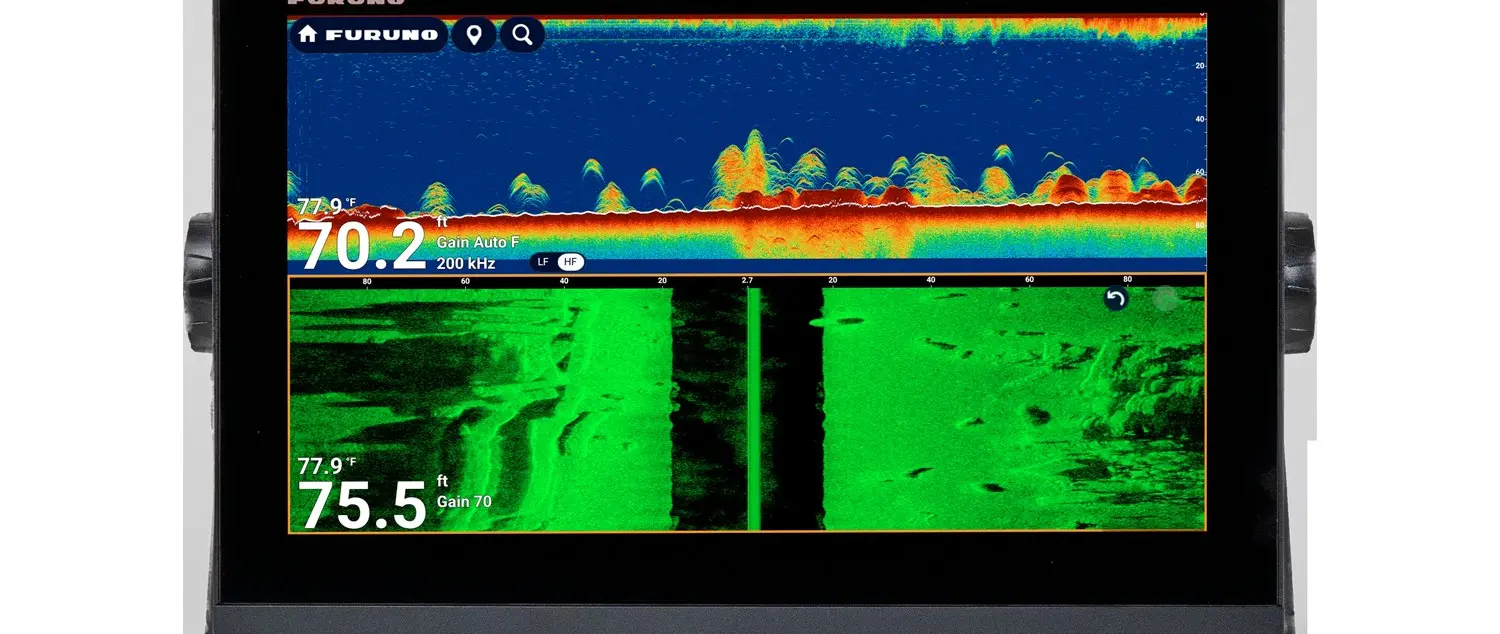
Electronics are prominent at Fort Lauderdale
Furuno is using the 2026 Fort Lauderdale International Boat Show, running from 28 October to 1 November, to demonstrate a broad collection of marine navigation and fishing electronics. Its announcement dated 27 October identifies the new NavNet TZtouchE and TZMAP lines among the attractions, with equipment aimed at both compact boat helms and more elaborate installations.
The event presents an opportunity for boaters to compare systems that are often difficult to judge from a specification sheet. Screen readability, the response of physical and on-screen controls, menu organisation and the integration of sensors matter more during a real passage than a long list of brand-specific features.
Nine- and thirteen-inch TZtouchE options
The company’s TZtouchE family comprises the TZT9E and TZT13E network-capable multifunction displays. The 13-inch model uses a full-HD screen, while the nine-inch version provides an alternative for smaller dashboards. Furuno positions the range as an accessible way to use its NavNet platform with radar and fish-finder connections and chartplotting functions.
A buyer should measure the available console before selecting a screen. A unit that technically fits may still obstruct switches or become difficult to reach when the operator is seated. Display size should be assessed together with mounting depth, glare, power supply and the ability to see essential data at a quick glance.
TZMAP adds another entry point
Furuno’s official show list also includes the TZMAP9 and TZMAP13. These stand alongside the TZtouchE products as newer additions to the wider line, giving boaters choices in how much networking and integration they actually require. The precise functional differences deserve a careful comparison because similarly sized screens can have substantially different installation needs.
Prospective owners should ask which navigation chart products and sensors are supported on the model they intend to buy. A feature appearing in a manufacturer’s video may require extra hardware, software or a particular subscription. Clarity about those requirements before installation helps avoid unexpected expenses and compromised helm layouts.
The larger NavNet ecosystem remains on display
Beyond the compact systems, Furuno is demonstrating its TZtouchXL family, naming the TZT10X, TZT13X, TZT16X, TZT22X, TZT24X and TZTBBX in its show information. This range includes displays and a black-box option suited to more developed helm installations. It allows a visitor to compare a simpler approach with equipment designed for multiple displays and sensors.
For a small leisure boat, a larger integrated network is not automatically more suitable. Owners need to consider electrical load, the physical size of the helm, wiring access and who will maintain the equipment. Systems should be chosen to solve specific navigation or fishing tasks rather than to maximise the number of visible screens.
Scanning sonar and fishing interests
Furuno is also highlighting the CSH-10 scanning sonar, as well as fish finders, radar systems and other display solutions. Scanning sonar is particularly relevant to operators seeking information about fish or underwater features around the vessel, while radar has broader relevance to traffic awareness and navigation in reduced visibility.
Neither class of instrument should be mistaken for a substitute for careful observation and safe speed. Sonar interpretation depends on transducer installation, frequency, water conditions and operator understanding. Radar likewise requires practice and an awareness of its limitations. A demonstration should include explanations of what the screen cannot reliably show.
Compatibility decisions before purchase
Furuno describes TZtouchE as a networkable range able to work with its other NavNet equipment and selected external sensors. For owners upgrading an existing helm, however, compatibility must be checked item by item. An existing transducer, antenna or control unit may require an adapter or may not offer every capability shown on newer hardware.
The same applies to chart coverage, connectivity with an engine network and any planned expansion. The most economical approach is usually to begin with a written diagram of what is already installed and what the new display must do. A qualified marine electronics installer can then confirm the components required for a reliable installation.
A useful place to compare navigation choices
Furuno lists its Fort Lauderdale stand as booth 655 and says the display covers navigation, sport fishing and multiple categories of marine instrumentation. The show offers buyers a chance to operate different screens and talk directly with people familiar with the equipment. That hands-on comparison is particularly valuable when more than one model appears to cover the same essential functions.
A practical selection should account for local support, chart licensing, software updates and readable presentation in daylight. The October exhibition is about showing how Furuno’s current product families fit together, rather than the first launch of every individual unit. For leisure boaters, the strongest reason to visit is the chance to make a better-informed helm decision.