
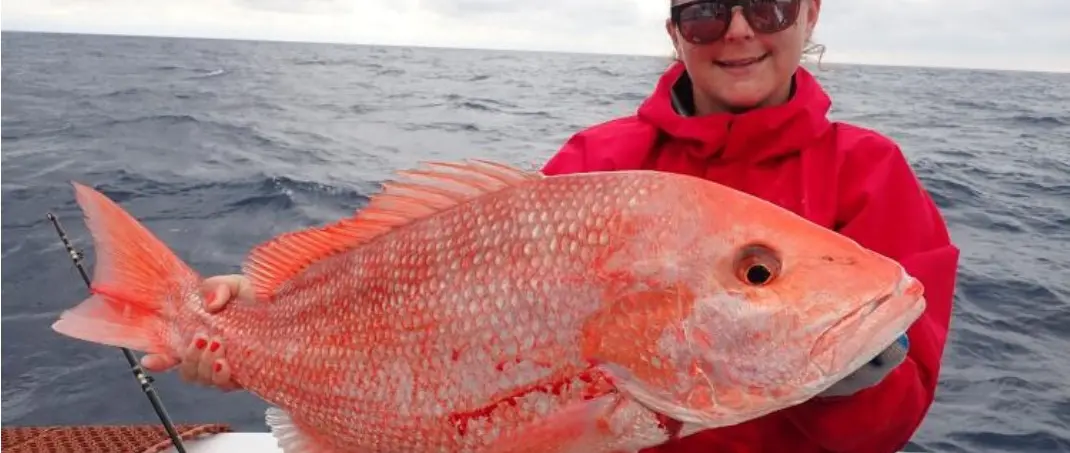
Atlantic's 14-day trial has ended, but the Gulf is different
Florida's special 14-day Atlantic recreational red snapper season ended on Thursday 22 October 2026. That was the conclusion of an Exempted Fishing Permit trial authorised with NOAA Fisheries, covering eligible participants from 9 through 22 October. Anglers should not assume that the trial continues because they see reports of red snapper fishing elsewhere in the state this weekend.
On the Gulf side, Florida's separate private recreational fall schedule includes Friday 23 through Sunday 25 October. The Gulf opportunity has different season dates and fishing regulations, so a trip departing from an Atlantic port cannot be justified by an open Gulf date. This distinction is particularly important during a weekend when both coasts are mentioned in the same state fishing coverage.
Why the Atlantic season lasted 14 days
NOAA announced in September that the ordinary South Atlantic federal recreational red snapper season would run for three days, from 9 to 11 October. At the same time, NOAA issued exempted fishing permits to Florida, Georgia and South Carolina to test longer state-managed recreational opportunities. Florida's approved programme allowed qualifying anglers to fish over the full October 9–22 period, subject to the permit's reporting and operating conditions.
FWC explicitly warned that participants could choose the Florida 14-day EFP route or the ordinary three-day federal season, but not combine both. This was not a general coastwide 14-day opening for everyone regardless of programme. For Florida boaters, the lesson is that exemption-based opportunities come with conditions and must be understood before gear is deployed.
The Atlantic trip declaration was part of the trial
Florida EFP participants had to declare their intended red snapper trips through the agency's Atlantic Red Snapper Reporting app. They also had to carry their trip declaration and a copy of the exempted fishing permit aboard the vessel, together with any other required licences and authorisations. Private anglers needed the appropriate saltwater licence or exemption and the free State Reef Fish Angler designation.
For-hire operators had separate participation arrangements, including registration in the Atlantic For-Hire Reef Fish Registry and applicable state or federal permits. Those details mattered because the extension was designed partly to collect fishing data. A successful trip declaration did not remove normal vessel safety obligations, and an operator who failed to meet the programme's entry requirements was not entitled to use the longer period.
Atlantic catch limits and fishing methods
During the authorised Atlantic EFP period, the red snapper bag limit was one fish per person per day and there was no minimum size limit for that programme. For-hire captains and crew were not allowed to retain a red snapper. FWC also required participants on declared trips to observe a ten-fish snapper-grouper aggregate bag limit and the permit's permitted methods of harvest.
These are descriptions of conditions during the ended October programme, not permission to retain red snapper on 25 October in Atlantic waters. Even people who understood every exemption condition must check the current status before another outing. The ended dates are clear; any later season would require a separate official announcement rather than an assumption based on September news.
Gulf private-boat fishing continues this weekend
Florida's published Gulf private recreational schedule includes 23–25 October, followed by 30 October–1 November and additional identified weekends and holidays later in the year. The state says the Gulf private-boat season applies to recreational anglers in Florida's Gulf state and federal waters; certain for-hire craft without a federal permit are limited to state waters under that schedule. Federally permitted for-hire operations must check their own applicable framework.
The Gulf regulations listed by FWC include a minimum 16-inch total length for red snapper and a two-fish daily bag limit per person, with charter captain and crew retention restricted. These differ markedly from the Atlantic EFP's one-fish allowance and no minimum size. A skipper should check species, location, vessel category and current regulations together, not simply search for a headline saying 'red snapper season open.'
What about a possible December Atlantic season?
NOAA and FWC have said they will review the October fishing data and other information before determining whether a second Atlantic opportunity could take place in December 2026. That is a possibility, not a confirmed season. No angler should put an assumed December opening into a holiday itinerary or charter promise without a later official announcement stating dates, eligible participants and operating rules.
Information collected through the October trial may help managers assess both catch and fishing participation. The agency has encouraged anglers to respond to the State Reef Fish Survey, for-hire surveys and dockside interviews when contacted. Accurate reporting can support future decisions, but it does not guarantee that a new opening will be authorised or that all conditions would remain identical.
Release procedures and the reef-fish context
Red snapper are reef-associated fish and can suffer barotrauma when brought rapidly to the surface from depth. FWC's EFP guidance included requirements for descending devices or venting tools to be rigged and available, with provisions differing between state and federal waters. Boaters should keep current barotrauma and gear rules in mind whenever targeting reef fish, even when red snapper retention is not permitted.
Using a suitable release device can help return an unwanted or undersized fish to depth rather than allowing it to drift at the surface. Crews should prepare the device before the first drop, assign responsibility for handling and check local hooks and gear restrictions. The responsible response to a closure is not to retain a fish illegally, but to identify and release it safely in accordance with applicable rules.
Where to confirm each coast's dates
FWC's Atlantic Red Snapper State Management Season page explains the 14-day EFP and three-day ordinary federal season, while its 24 September correction notice lists the core participation requirements. NOAA's announcement independently confirms the federal opening and the extended-permit approach.
For the Gulf, consult FWC's current snapper regulation page and its 23 September fall-schedule update. These official sources should be checked close to departure because a species name alone does not tell an angler whether the relevant coast and vessel type are open. If published summaries appear inconsistent, the detailed current rule and managing agency should control.
A simple decision for Sunday 25 October
The Atlantic October 9–22 EFP trial has concluded; the Gulf private-boat fall schedule includes 25 October. Those are separate regimes with different catch limits and administrative requirements. Florida's extensive coastline makes it easy for a shared social-media post to lose the geographic distinction, especially when friends or relatives fish from different ports.
Before leaving a dock, write down the coast, waters, vessel category, date and authorised target species, then verify the applicable bag, size, gear and reporting rules. Keep documents aboard where required and prepare safe release equipment. For Atlantic anglers interested in another red snapper trip, wait for NOAA and FWC to announce a future authorised opening instead of treating a hoped-for December season as confirmed.