
FWC reports its biggest Lionfish Challenge
Florida's 2026 Lionfish Challenge ended with a newly reported record for the number of fish removed and the number of people taking part, according to the Florida Fish and Wildlife Conservation Commission. In results announced on 19 October, the agency said 533 registered participants took 36,187 invasive lionfish during 1,468 dive trips. The published tally is more than 5,000 fish higher than the agency's stated figure for the preceding challenge.
This is a conservation and recreational-diving story with a practical connection to boating. Many participating divers depend on small craft to reach reefs and offshore sites, while commercial operators also contribute catch through verified sales paperwork. The result demonstrates a substantial organised harvesting effort; it does not, by itself, establish that lionfish populations have fallen everywhere in Florida waters.
The season ran through the summer
The agency's published event calendar places the 2026 challenge between 22 May and 14 September. That distinction matters because the numbers released in October refer to a completed competition rather than an activity still open for fresh submissions. The programme was statewide and free to enter, with separate pathways for recreational and commercial participants.
Recreational entrants used a verification process based on harvested fish tails and designated checkpoints, while commercial divers submitted documentation associated with their sales. Such procedures help the organisers maintain an event record, but their public summary is not a population survey of every reef. Boaters reading the results should keep the difference between tournament harvest and ecosystem-wide stock assessment in mind.
Who topped the recreational categories
The FWC named Hunter Ledbetter of Monroe County as Lionfish King after crediting him with 1,541 fish. Helen Rodney of Broward County received the Lionfish Queen award with 1,488 fish. The agency also recognised Ledbetter as its veteran champion, reflecting the revised award structure introduced for this year's competition.
Meagan Huffman, listed as a junior entrant from Texas, received the junior title for 185 lionfish. Recognition across different categories is intended to make the challenge accessible to more kinds of participant rather than rewarding only one high-volume category. These are organiser-announced individual totals and should not be confused with a count of every fish removed by the wider diving community outside the contest.
Commercial participation and checkpoint support
In the commercial division, the agency identified David Garrett of Volusia County as the champion, crediting him with 1,136 pounds of lionfish. That figure is measured in weight, so it cannot be added directly to the recreational counts reported as individual fish. The distinction matters when assessing the composition of the harvest and comparing award categories.
The top-checkpoint award went to Dive Pros in Pensacola, which the FWC said accepted more than 5,000 lionfish tails over the season. A checkpoint has a practical role beyond appearing in an awards list: it enables divers to submit evidence in an organised way and reduces the administration required for individual participants. A boat crew considering future events should check in advance which submission procedures and locations apply in the next season.
Why lionfish removal remains a priority
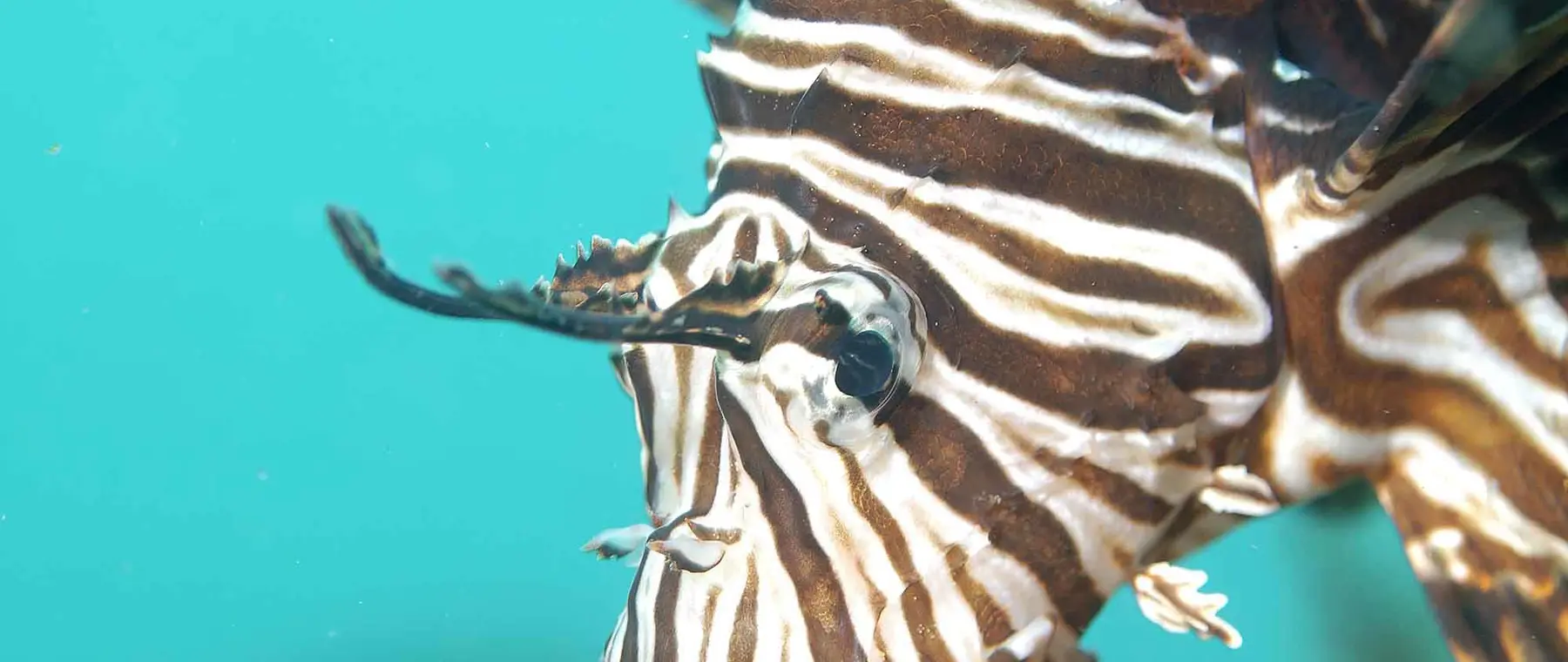
Lionfish are invasive predators in Florida's marine environments and can compete with native species for food and habitat. The FWC's programme is designed to encourage targeted removal through sport and commercial effort. It is part of a broader response to the ecological pressures created when an introduced species becomes established on reefs and surrounding habitats.
Removing a large number of fish can relieve local pressure in areas where harvesting occurs, but no single seasonal headline can measure that effect across every reef. Meaningful long-term assessment also needs information about where dives took place, the number of fish encountered, repeat removals and what happened to native wildlife afterward. For that reason, the announcement is best understood as a record of participation and harvest, not proof of complete ecological recovery.
What the results mean for dive-boat crews
Although the 2026 competition has ended, boat owners involved in reef diving can use the report to plan for future campaigns. Offshore work requires a conservative weather window, careful accounting for divers in the water and a return plan that takes currents, boat traffic and surface conditions into account. A busy marine conservation event does not make normal seamanship or emergency planning any less important.
Lionfish have venomous spines, so harvest and handling equipment matter as much as the trip to the reef. Crews should seek established safe-handling guidance and ensure that catch containers, tools and first-aid arrangements suit their experience and activity. Recreational boaters who are not trained divers can still support responsible marine conservation by following local guidance and avoiding damage to habitats during anchoring or mooring.
How the claims should be read
The headline total of 36,187 fish, the 533 participants and the 1,468 trips are figures supplied by the FWC as organiser. Contemporary news coverage repeats the numbers, but that repetition does not amount to an independent audit of the underlying submissions. The exact data are useful when clearly attributed, while claims about statewide ecological effects require different types of evidence.
Likewise, a record total can reflect both more participants and the effectiveness of their activity, without proving a change in the total fish population. The number harvested per dive would also depend on location, conditions and reporting rules. Treating event statistics with that context makes the achievement intelligible without overstating what the results can demonstrate.
Next steps for Florida's diving community
The FWC has directed interested divers to its Reef Rangers programme for information about future participation. The agency's 2026 challenge page explains verification, tiered incentives and the distinction between recreational and commercial entrants; future event rules and dates should be checked when formally published rather than assumed to match this year's arrangements.
For leisure boating, the results show one way that small-vessel activity can support a specific conservation objective. The programme mobilised hundreds of people and an organised network of dive trips and checkpoints across Florida. Its next test will be continued participation, careful measurement and responsible field practice, not just the pursuit of an even larger headline count.