
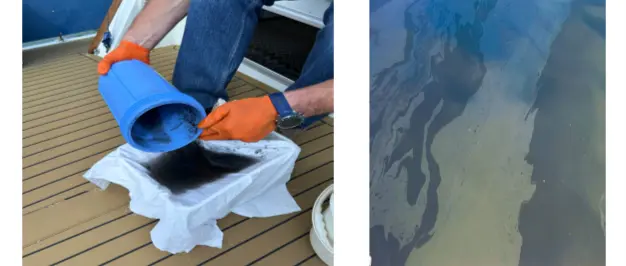
Pollution from ordinary leisure-boating activity is moving into sharper focus at the 2026 Southampton International Boat Show. British Marine has announced a panel discussion examining how bilge water, wash-down water, oil and diesel traces, microplastics, microfibres and paint particles can enter the marine environment during routine boat ownership and maintenance.
The discussion is scheduled for 18 September on the show’s Boating Stage and will bring together representatives from Wave International, August Race, Pantaenius UK and Mercari Risk Management. The aim is to look not only at environmental impact but also at the legal, insurance and practical consequences that can arise when contaminated water or residues are discharged from leisure craft.
Small discharges can add up
British Marine notes that many owners do not deliberately release pollutants and may not realise that routine onboard activity can carry contaminants overboard. Bilges can collect small quantities of fuel and oil, while cleaning, sanding, painting and general maintenance can introduce detergents, fibres, paint particles and other residues into surrounding water.
The concern is cumulative rather than limited to a single dramatic spill. When similar discharges occur across large numbers of boats and marinas, even small individual releases can become a broader water-quality issue that owners and operators need to understand.
Rules depend on where and how a boat operates
The panel will discuss international anti-pollution rules, including MARPOL, alongside the responsibilities that may apply to leisure boaters, marinas and charter operators. The exact legal position varies by jurisdiction, vessel, activity and location, so owners should treat local harbour, environmental and waste-disposal requirements as controlling rather than assume one rule applies everywhere.
Insurance and liability are also part of the discussion because an environmental incident can extend beyond the cost of cleaning a boat or replacing equipment. British Marine says the session will consider where responsibility may sit and what practical steps owners can take to reduce the risk of contaminated water entering the sea.
Practical prevention is the useful takeaway
For small-boat owners, the most useful message is that pollution prevention is often linked to ordinary maintenance discipline. Keeping fuel and oil out of bilges, controlling wash-down runoff, capturing sanding and paint residues, and disposing of contaminated fluids through appropriate shoreside facilities can reduce the chance of an avoidable discharge.
The Southampton discussion should also help separate general environmental concern from specific operational guidance. Leisure Boat Guide will continue to track any concrete regulatory advice that follows the panel, particularly where it affects owners of boats under 12 metres, marina users and people carrying out routine maintenance themselves.