
The announcement and what changes
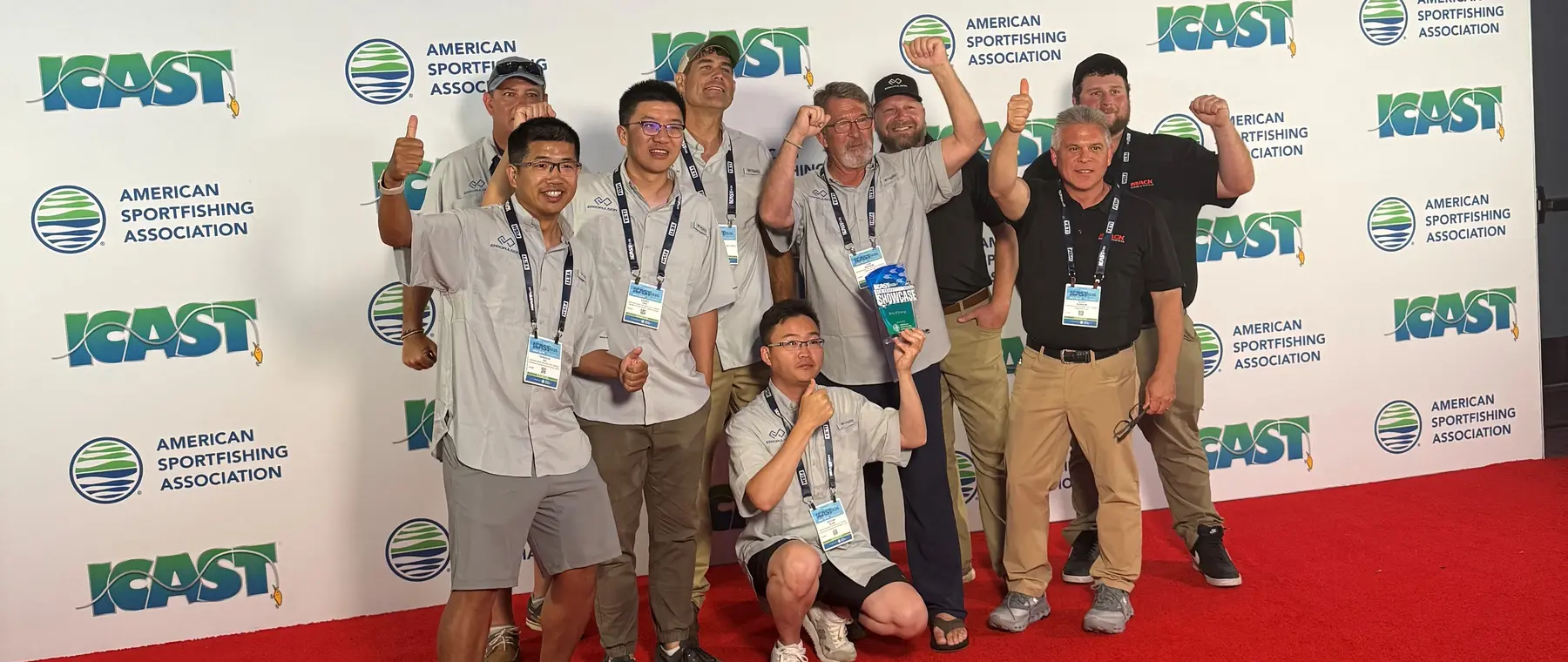
The kMax won the Energy category in the ICAST 2026 Best of Show awards. It is a 48V lithium iron phosphate battery with 1,024Wh capacity and a reported weight of 24.3lb. The announcement gives owners, dealers and marine professionals a concrete view of what is changing rather than only a future product direction.
The design is modular and stackable, while the companion mobile app provides battery-health and diagnostic information. For leisure-boat users, the practical importance lies in how the change affects everyday operation, equipment choice, support or onboard usability. Those details are normally more useful than headline specifications considered on their own.
Why it matters for leisure boating
The development is relevant to portable and modular energy storage for electric and connected small-boat systems. Small and mid-size leisure boats place tight limits on space, weight, electrical capacity and crew attention, so apparently modest changes can alter how straightforward a boat is to use.
Owners increasingly compare systems by the complete ownership experience rather than by a single performance figure. Installation quality, service access, software support, dealer coverage and ease of operation can all influence whether a feature remains valuable after the first season.
What owners and dealers should watch
ePropulsion is presenting the update through its official 2026 communications, which gives buyers a useful starting point for specification discussions. Final availability, compatibility and equipment combinations can vary by model, market and production timing, so individual orders still need confirmation.
Dealers and service teams will also be important once boats enter regular use. A feature can look convincing at launch, but long-term value depends on documentation, parts supply, technician familiarity and the ability to diagnose problems without creating unnecessary downtime.
A broader shift in the small-boat market
The recreational-marine market is putting more emphasis on integrated systems, simpler controls and better use of limited onboard space. That trend is visible across propulsion, electronics, charging, stabilisation, dealer support and the design of the boats themselves.
This ePropulsion development fits that broader direction while addressing a specific customer need. The next meaningful test will come from real-world use, where reliability, serviceability and owner satisfaction will show how successfully the announced idea translates from launch material into everyday boating.
Official sources: www.epropulsion.com.