
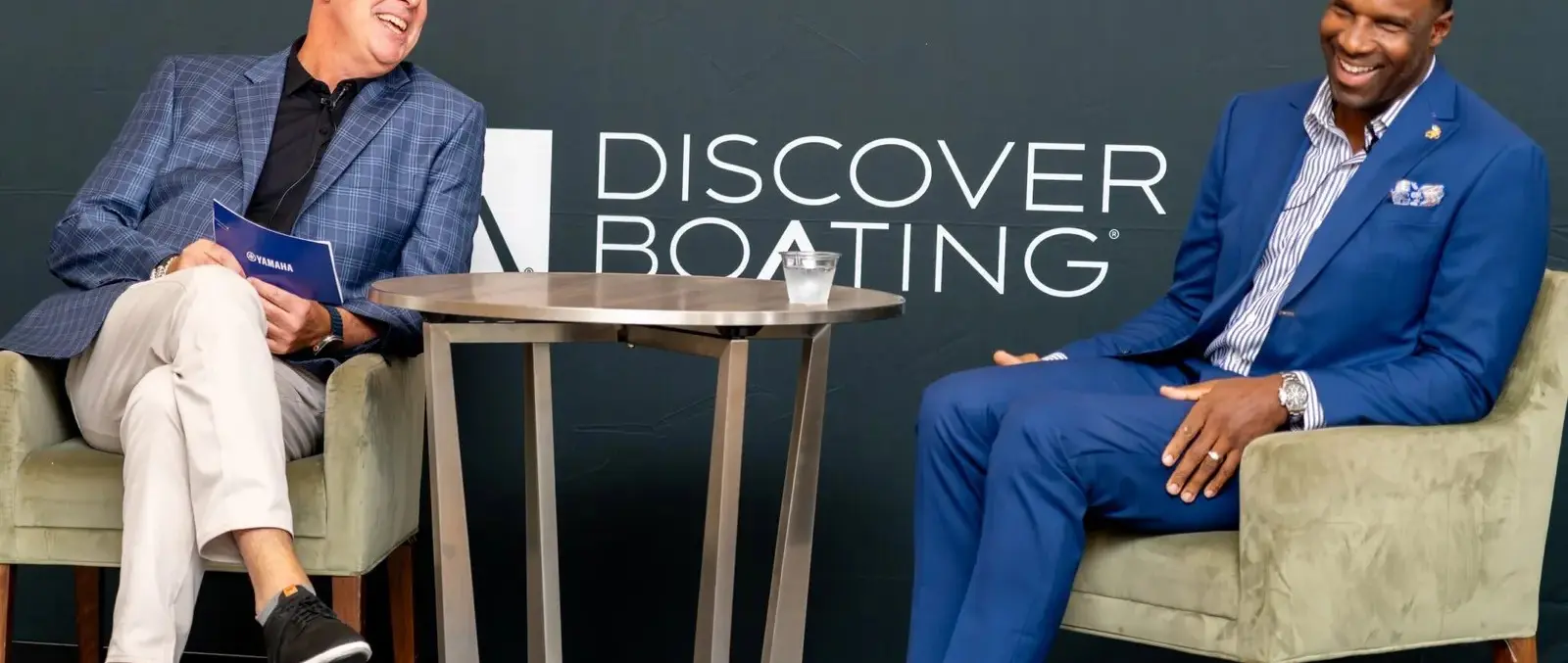
Marketing leaders meet just ahead of IBEX
Manufacturers, boat dealers and industry partners met in Tampa for the third annual Discover Boating Marketing Leadership Summit, held immediately before IBEX 2026. The event, summarised by the Marine Retailers Association of the Americas on 9 October, brought together marketing specialists to discuss how recreational boating can attract people who have not previously considered buying or using a boat. Participants examined changing customer expectations and the need to coordinate marketing activity across competing brands and individual dealerships.
The summit was organised around the wider Discover Boating initiative supported by the National Marine Manufacturers Association and MRAA. It was not a new consumer boat show or a sales event for a particular manufacturer. Its purpose was to help industry leaders reconsider the ways people discover boating, become confident about trying it and ultimately find the local support needed for ownership.
The industry's growth challenge is bigger than advertising
Attracting a new boater involves far more than placing a product image in front of a likely customer. First-time buyers may be uncertain about training, insurance, storage, launch facilities and the true operating cost of a boat. A convincing introduction needs to deal with those practical questions, while also explaining the enjoyment and flexibility of life on the water. The summit's market-expansion discussions were designed to address that gap between an attractive idea and a usable recreational experience.
Previous work by the Market Expansion Advisory Group had distinguished industry-wide awareness activity from the work of individual builders and retailers. Discover Boating can introduce the broader lifestyle, while dealers and brands must provide accurate product information, local experiences and dependable service. The 2026 summit returned to the importance of coordinated action rather than assuming that a single national campaign can turn every expression of interest into a boat sale.
Artificial intelligence brings new credibility questions
Pete Blackshaw, co-founder and chief executive of BrandRank.AI and a former senior digital-strategy leader at Nestlé, discussed the influence of artificial intelligence on brand discovery and trust. Consumers increasingly encounter product summaries and recommendations through automated systems, changing the ways marketing teams present information. For boat manufacturers, the challenge is not simply generating more promotional language but ensuring that product specifications, support arrangements and claims remain accurate and accessible.
An inaccurate recommendation about a boat's operating limits, capacity or equipment could have consequences beyond a disappointing purchase. Marketing teams should distinguish measured specifications from design ambitions and explain which features are optional. AI-assisted content can help organise information, but expert verification remains essential when customers rely on it for significant financial or safety-related decisions.
Lessons from automotive retail and ownership
Former BMW Group marketing and retail executive Tom Salkowsky brought more than three decades of automotive-sector experience to the meeting. He addressed the relationship between strong brands, customer experience and retail delivery, all relevant to an industry where buyers may take months to evaluate an expensive leisure purchase. His contribution offered outside perspective rather than announcing a partnership between BMW and a marine company.
Boat dealers face particular challenges after a sale because the owner may need winterisation, repairs, storage, training or help with equipment upgrades. A showroom visit that builds enthusiasm is only the beginning of that relationship. Retailers who communicate clearly about ownership responsibilities and remain reachable during the first season may be better placed to build confidence and encourage repeat participation.
Sports marketing offers a different form of loyalty
Martin Nance, executive vice president and chief marketing officer of the Minnesota Vikings and a former professional American-football player, spoke about building fandom, community and long-lasting loyalty. Sporting organisations often develop relationships with people who may never purchase a high-priced premium ticket, yet still feel connected to the experience. Recreational boating faces a comparable opportunity to engage enthusiasts before they become owners.
Entry-level participation might begin through lessons, boat-sharing arrangements, fishing trips or invitations from friends. A newcomer who enjoys one supervised day on the water may become a lifelong boating customer, even if an immediate boat purchase is unrealistic. The distinction between participation and purchase is therefore important when an industry evaluates whether its marketing is reaching genuinely new audiences.
Tourism can introduce people to boating in new places
RoseAnne DeFreitas, deputy commissioner of the United States Virgin Islands Department of Tourism, contributed a destination-marketing perspective. Coastal tourism can introduce visitors to watersports, marina experiences and small-boat excursions without requiring a prior commitment to vessel ownership. Effective partnerships between destinations and operators can make the first experience accessible while helping customers understand local culture and practical requirements.
However, a visitor's successful holiday does not automatically translate into a future purchase, and the event report did not provide figures claiming that it does. Operators should concentrate on safe, well-run activities and clear follow-up information when visitors express a genuine interest in learning more. Retaining an accurate account of customer interests is more valuable than assuming every holiday passenger is a prospective yacht buyer.
Research helps distinguish interest from actual demand
Organisers used the summit to update participants on Discover Boating's Market Expansion strategy and consumer research intended to clarify what current and potential boaters value. The larger initiative involves shared measurement tools that examine awareness and consideration before sales occur. Such information may help industry groups decide where a national campaign is effective and where local dealers should concentrate on practical customer support.
Survey findings should always be interpreted with attention to sample size, demographics, timing and the questions asked. A high level of interest in boating does not necessarily imply an equal willingness to purchase a particular vessel. Manufacturers need that distinction when planning inventory, dealer training and model development, while trade groups should avoid presenting broad consumer enthusiasm as a forecast of guaranteed sales.
Dealer involvement remains central to the next steps
The summit brought senior marketing participants together for discussions and interactive workshops, but its reported outcome was a set of shared themes rather than a binding new policy for every boat dealer. MRAA and NMMA intend the collaboration to help participants turn research and ideas into practical outreach. Follow-up materials and programmes may allow dealerships that could not attend the Tampa meeting to examine the same concepts.
For Leisure Boat Guide readers, the significance lies in a shift towards a fuller understanding of the boating experience: getting started, finding instruction, choosing a suitable craft, maintaining it and returning to the water with confidence. The October gathering confirmed a growing willingness among builders and retailers to work together on those questions. Whether the approach expands participation will be assessed through future research and real customer experience.