
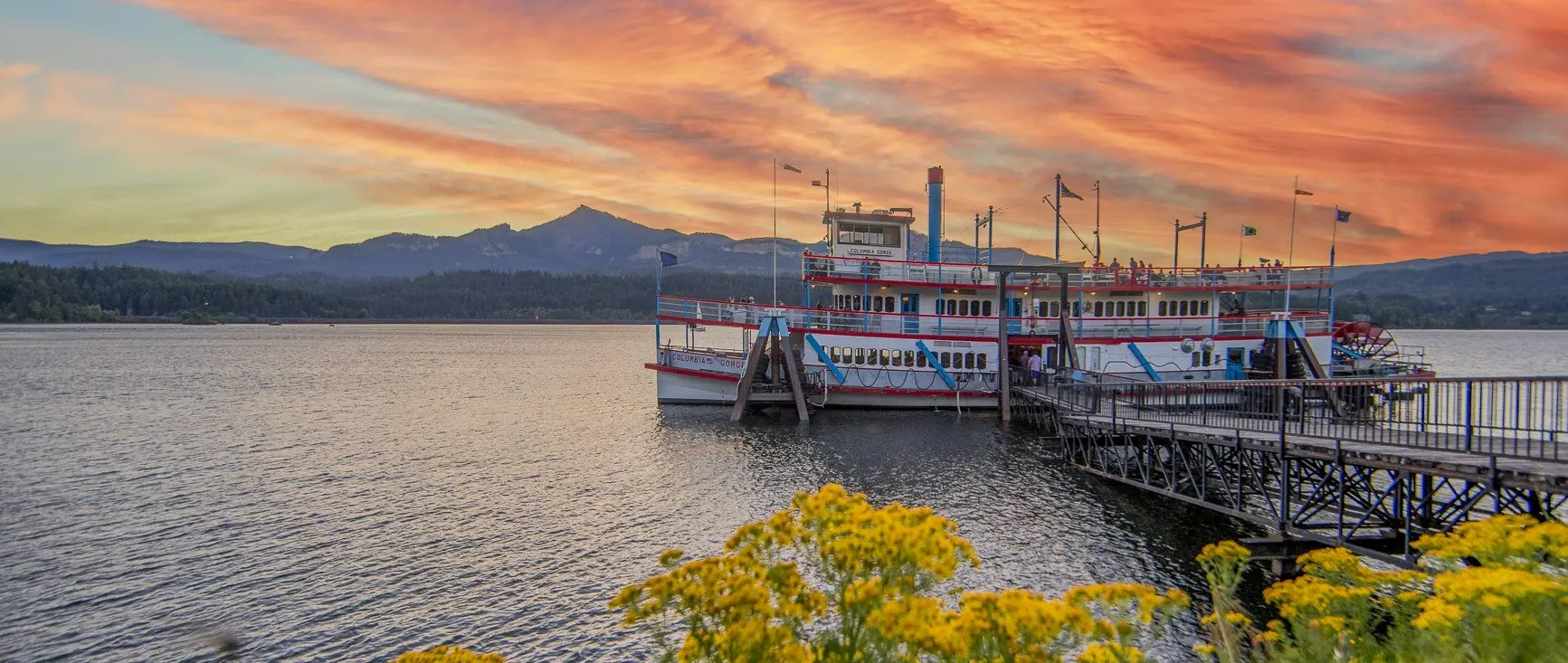
Oregon warns of milfoil at an open Columbia River launch
Boaters approaching Cascade Locks Marine Park on the Columbia River are being asked to watch for aquatic vegetation around the marina and public boat launch. Oregon's State Marine Board said in its 21 October 2026 Opportunities and Access Report that water levels at the Port of Cascade Locks have risen but a large amount of milfoil remains. The specific concern is vegetation becoming entangled around propellers.
The same state update lists the Port of Cascade Locks launch as open, so the warning should not be mistaken for a full facility closure. It describes an operational hazard that can affect steering and propulsion during close-quarters manoeuvres. Any boater planning to use the facility should check for later changes before travel and adjust boat handling to the conditions visible on arrival.
More water does not necessarily mean easier navigation
The reported rise in water level sounds reassuring, especially after a season of variable river conditions. Nevertheless, plants in a narrow manoeuvring space can still obstruct a propeller, intake or rudder. A skipper might have sufficient clearance beneath the keel and still experience handling problems if weed accumulates around moving parts. The Marine Board identifies that entanglement risk as the reason for its current caution.
Milfoil is the term used in the official notice, but the report does not identify a specific plant species or provide a measured extent of coverage. It would be misleading to label the material as a particular invasive species without that evidence. The useful practical takeaway is to watch for visible beds and floating strands, avoid cutting through dense growth when a safe route is available, and maintain a cautious operating speed.
The port's normal marina layout
The Port of Cascade Locks operates a marina at the eastern side of its Marine Park, between the Sternwheeler dock and the beach. Its published information describes 36 slips for long-term moorage and a separate transient dock. The marina entrance has shallow water to either side, and the port advises a straight approach into and out of the Columbia River.
Those are normal-site descriptions, not fresh soundings or a guarantee of depth at the time of this advisory. An unfamiliar skipper should study the official marina guidance, use designated entrances and allow room for passing traffic. Dense aquatic vegetation near a narrow approach makes last-second sharp turns less attractive, especially for craft whose propellers or rudders extend below the hull.
How weed can complicate a boat's handling
Vegetation wrapped around a propeller can reduce thrust and lead to vibration, overheating or uneven engine response. A boat that is slow to answer a helm command may be difficult to control near a dock, another vessel or a shallow edge. Outboard and sterndrive installations can be especially susceptible to weed at exposed lower units, but jet intakes and other propulsion arrangements can also be affected.
If propulsion begins behaving abnormally, a skipper should reduce demands on the engine, create safe separation from hazards and follow the equipment manufacturer's guidance. Crew should never reach overboard toward a turning propeller or try to clear a fouled drive while machinery can start. If recovery cannot be done safely, professional assistance or a controlled return is preferable to forcing the engine under load.
Launch and retrieval precautions
With an open ramp, several boats may be moving between trailers, docks and the river in a short period. Weed around the launch area can increase uncertainty at precisely the point when control margins are smallest. Preparing lines, fenders, crew instructions and safety gear away from the water helps reduce avoidable delays. Drivers should check the ramp surface, depth and any posted directions before committing a trailer.
A crew returning from the river should also leave enough fuel or battery margin to approach slowly and correct a missed landing without panic. If dense vegetation is visible near the intended landing, do not power through it simply to keep a planned return time. Obey the operator's instructions, and consider a different permitted landing only after confirming that it is accessible and suitable for the vessel.
Parking rules are part of the access warning
The Oregon Marine Board says the Port's launch remains open but stresses that boat trailers must use designated parking areas. Its October notice identifies overflow parking on WaNaPa Street and warns that unauthorised parking may lead to citations or towing. This matters particularly when drivers are delayed at the ramp by unusual conditions and are tempted to leave vehicles in an improvised space.
The Port's parking information describes a separate paid zone for the boat launch as well as Marine Park parking, with different charges. Rates and payment methods can change, so verify them with the operator on the day. A suitable trailer parking place should be confirmed before launching, because retrieving a boat in difficult water is already demanding without discovering the towing vehicle has been moved.
What visiting cruisers should know about the transient dock
The Port's marina page describes free transient moorage for up to 72 hours, allocated on a first-come, first-served basis and subject to stated vessel limitations. It also says the transient dock does not provide electrical connections or potable water, although a dump station is available. A cruising crew should check current availability with marina staff before making it the centre of a tight overnight plan.
These facilities are separate from the aquatic vegetation warning, but visiting boaters need both sets of information. Weed may affect the approach, while ordinary moorage rules determine whether a planned stay is possible. A prudent skipper will contact the Port about unusual vessel size or draft and should never infer that a written normal-depth figure supersedes a contemporary notice or direct instruction at the entrance.
Clean, drain and dry after visiting
The Marine Board's statewide access report reminds owners to clean, drain and dry their boats and gear after each waterbody to limit the spread of non-native aquatic organisms. That advice is especially relevant when visible vegetation is present. After recovery, inspect the trailer, propeller, lower unit, anchor and lines for attached plants, then dispose of material responsibly rather than letting it wash into the next lake or river.
Boaters should follow Oregon's aquatic invasive species rules and any inspection requirements applicable to their craft. Clearing weed away from moving machinery must be done with the engine shut down and made safe, and the work should take place where it does not contaminate another waterway. Prevention at the ramp protects future boating access as well as a vessel's own equipment.
Two official updates to check before departure
The Oregon Marine Board's 21 October report is the dated source for the milfoil warning, open-ramp statement and trailer-parking reminder. The Port of Cascade Locks marina page provides the operator's normal entrance, slip and transient-dock information, while its parking page explains designated zones and payment arrangements.
On 25 October the essential distinction is that a public launch can be open and still present a handling hazard. The state has not, in the cited bulletin, announced a blanket closure or a date by which milfoil will disappear. If vegetation is thick, make a conservative decision about launching, keep propellers clear where possible and ask the operator for current local guidance rather than improvising a route through the marina.