
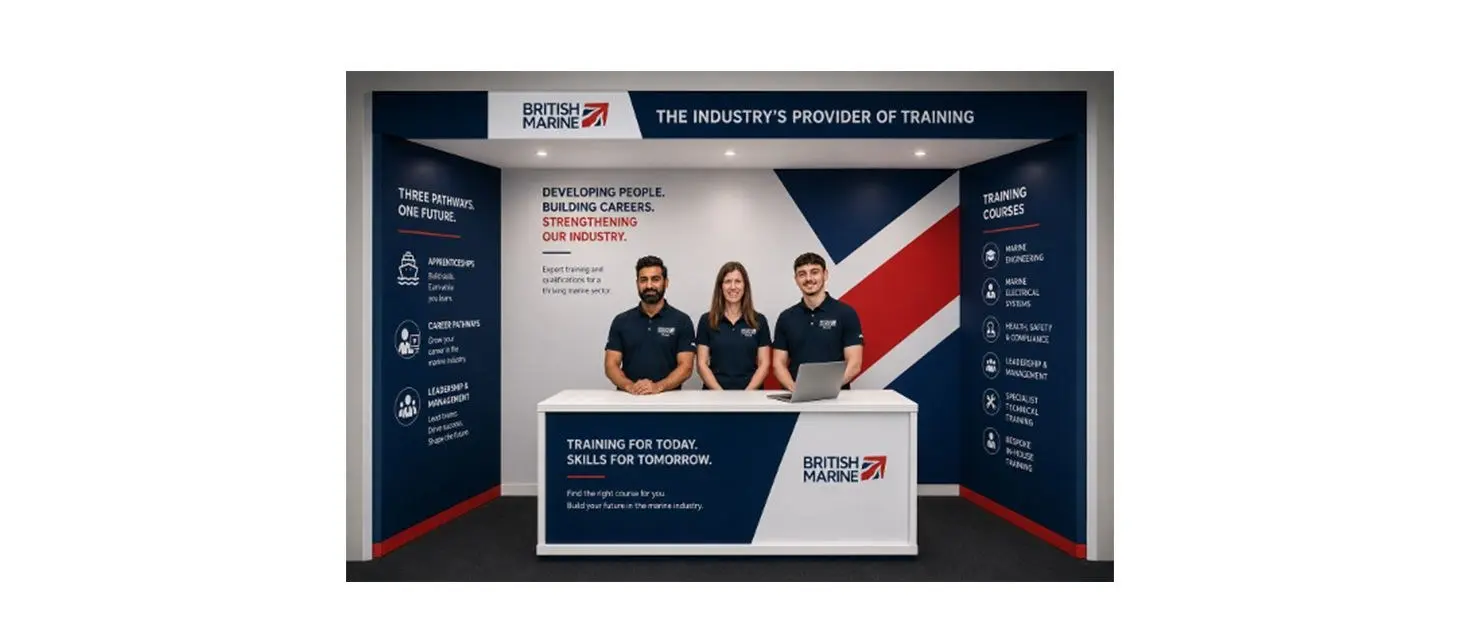
A new boat may be the visible result of many people’s work, from designers to the technicians who fit its equipment. British Marine has placed skills and future talent at the centre of part of its Southampton International Boat Show programme.
The announcement invites visitors to learn about the range of marine careers and the training that supports them. It is aimed at employers and potential entrants, not just existing specialists.
Careers extend beyond building the hull
Marine businesses need engineering, sales, service and other professional roles. Someone entering the industry may find a route that connects a personal interest in boating to technical or customer-facing work.
Training providers and employers can help candidates understand the qualifications and practical experience associated with each path. A general introduction is useful, but specialist jobs require their own preparation.
The boat show offers a meeting point
An exhibition gathers companies that otherwise operate in separate yards, marinas and regions. That proximity can help visitors ask how a role works before committing to a course or apprenticeship.
A show conversation should be followed by checking current vacancies and training standards with the organisation involved. Opportunities and entry requirements are not identical throughout the sector.
Skills have an effect on ownership
When a service business has well-trained people, routine repairs and installations can be carried out with greater consistency. Small-boat owners rely on that workforce over the entire life of a vessel.
For LBG readers, the show’s careers focus is a reminder that a sustainable boating industry needs people as well as new products. Future talent is part of the service infrastructure that keeps craft afloat.