
British Marine has announced a limited-time discount for experienced boat brokers seeking Certified Professional Boat Broker status, cutting the fee for its fast-track assessment to £125 until 31 December 2026. The scheme is associated with the Boat Retailers & Brokers Association and the Association of Brokers and Yacht Agents, which developed the professional pathway to recognise existing expertise and encourage consistent standards. The trade association published the offer on 11 November. For people buying or selling smaller leisure boats, it is a reminder that brokerage involves more than advertising a vessel: the intermediary may need to understand contracts, identity checks, insurance, VAT and the documents that establish ownership. Certification can be useful evidence of professional development, although it does not replace independent checks on an individual transaction.
A discount rather than a new legal requirement
The November announcement concerns a promotional price for a particular experienced-broker route. It does not establish a new mandatory licence for everyone who sells boats in Britain. British Marine says the pathway normally costs twice the discounted amount and is available for £125 until the end of December 2026, subject to eligibility and the programme's conditions. Prospective candidates should check the current application details and not assume that merely paying the fee results in certification. A professional credential is intended to demonstrate knowledge and competence through assessment. It cannot promise that every transaction handled by a person holding the credential will be trouble-free.
Why small-boat transactions still require expertise
A used sailing cruiser or family motorboat may cost far less than a large yacht, yet its sale can raise important questions. Buyers want assurance about the seller's right to transfer ownership, the boat's history, any outstanding finance and the reliability of specifications provided in advertising. Sellers may need advice about a realistic asking price and how to respond to conditional offers. A broker should understand the relevant documentation and explain the process without pretending to be the buyer's independent surveyor or legal representative. The Certified Professional Boat Broker initiative aims to recognise the range of knowledge required for this work rather than treating small-boat sales as an informal exchange of cash and keys.
The fast-track route recognises experience
British Marine says the Experienced Broker Fast-Track Pathway is intended for established practitioners who have already developed expertise through their work. Rather than repeating every element of a standard training route, eligible applicants can demonstrate what they know through a focused assessment. The association describes a test of approximately twenty questions, covering practical aspects of the job. The shorter format should not be confused with the absence of standards. Candidates need to meet the scheme's other requirements and maintain their professional development. Anyone interested should review the full eligibility and assessment criteria rather than assuming a certain number of years in business automatically qualifies them.
Listings are a test of judgement
A useful boat listing needs accurate identifying information, clear photographs and a description that distinguishes established facts from the seller's claims. A broker may be asked to check model details, hull identification, engine particulars and installed equipment. Those tasks can be especially difficult when a boat has undergone refits over many years. The fast-track assessment includes listings and markings among its topics, according to the British Marine announcement. This is relevant to consumers because mistakes in identification can lead to misunderstandings about specifications, tax documents or the condition of equipment. Good practice means checking what can reasonably be verified and openly labelling anything that remains uncertain.
Legal and regulatory knowledge matters
The scheme also addresses law and regulation relevant to brokerage. The details will vary with the type of vessel, its use and where the transaction takes place. A broker handling a small boat intended for coastal leisure use should not assume that the paperwork is identical to that of a commercially operated craft or a vessel arriving from another country. Professional knowledge includes recognising when specialist legal advice is needed. An assessment can test understanding of routine requirements, but it is not a substitute for case-specific advice. Buyers and sellers should expect a professional intermediary to explain the boundaries of their role rather than provide unsupported assurances on matters outside their competence.
Insurance is more than a checkbox
The insurance section of the assessment is another reminder of how many responsibilities may surround a transaction. A boat could require cover during storage, survey, a sea trial or transport between marinas. The parties should establish who is responsible and what a policy actually covers before an incident occurs. A broker who introduces a buyer to a vessel should not automatically assume that the seller's policy extends to every activity involving a prospective purchaser. Likewise, a newly purchased boat may have different risks from those covered by the previous owner's arrangement. Understanding these issues does not require a broker to become an insurance underwriter, but it does require awareness and accurate communication.
VAT and probate are included
British Marine identifies VAT and probate among the subjects that can appear in the fast-track assessment. These topics can become relevant when a boat has a complex ownership history, has been imported or is being sold from an estate. A buyer should not infer that a boat's current location provides complete evidence of tax status. Similarly, a person presenting a vessel for sale on behalf of a deceased owner may need appropriate authority to proceed. A competent broker can help identify necessary questions and documents, while professional legal or tax advice may be essential for a particular case. The aim is to recognise potential complications before a deposit changes hands.
Identity and due diligence checks
The programme refers to KYC and related customer due diligence. These terms concern establishing who is involved in a transaction and meeting applicable compliance requirements. The precise procedures may depend on the business and the jurisdiction, but the basic value is clear: a buyer and seller should know the identities of the parties they are dealing with. Fraud can occur when someone misrepresents ownership or sends altered bank details near completion. A brokerage's professional processes should make unexpected changes easier to detect. A qualification cannot eliminate fraud, yet training and consistent documentation can help a business reduce avoidable risks and respond when something appears irregular.
Professional recognition is not independent surveying
A buyer should continue to commission an appropriate survey or technical inspection when the vessel warrants one. A broker may know a great deal about boat design and market values, but the broker's commercial role is distinct from that of a surveyor engaged to examine condition. The same applies to engine specialists, riggers and legal advisers. A certified broker should welcome the opportunity for the buyer to obtain properly qualified independent advice. The November promotion is about improving brokerage standards, not merging all the disciplines of a boat purchase into one person's assessment. Recognising those boundaries helps maintain trust between the parties.
Training continues after certification
British Marine says continuing professional development forms part of the broader scheme. That is important because the technical and commercial environment of leisure boating can change. New propulsion systems, evolving electronic equipment and developments in financial or regulatory practice may create questions that were less common several years ago. A credential earned once should not be treated as a permanent substitute for current knowledge. Professional development gives brokers an opportunity to keep skills relevant and learn from other practitioners. Customers can ask what a brokerage does to maintain its standards and whether staff participate in relevant training or recognised trade-association activities.
A qualification developed by industry organisations
The association describes the CPBB pathway as a collaboration between the Boat Retailers & Brokers Association and the Association of Brokers and Yacht Agents. Such participation can help align the curriculum with practical work rather than a purely academic outline. The British Marine announcement also includes comments from brokers who have completed the pathway, describing improved confidence and recognition. Their testimonials are individual experiences, not independently measured evidence that certification guarantees a higher selling price or a faster transaction. A careful reader can value the professional objective without assuming that all participants will experience the same commercial benefits.
The deadline is a specific part of the story
The discounted fast-track price is presented as available until 31 December 2026. That is a time-limited offer, not a guarantee of future prices. Applicants should check whether a registration deadline, completion deadline or other condition applies, and confirm whether the quoted amount includes every cost relevant to their circumstances. The release does not establish that the fee will remain unchanged after the promotion ends. Brokers should make decisions based on the programme's suitability and standards as well as price. The offer may encourage experienced professionals to formalise their skills, but there is little value in obtaining a certificate that does not align with the work they actually undertake.
What boat owners can ask a broker
Consumers can use the announcement as a prompt to ask straightforward questions. Which business will act as the broker, how are client funds handled, what is included in the agreed fee, and who is responsible for checking the documents? A buyer may also want to know how an independent survey is arranged and what happens if it identifies significant defects. A seller should understand the length and exclusivity of a listing agreement. Professional certification may provide another useful reference point, but clear written contracts and reliable communication remain central. The most reassuring broker is one who answers questions directly and provides evidence where it is available.
Standards benefit the wider small-boat market
A used-boat marketplace works better when buyers trust information and sellers understand the transaction process. Poorly documented sales can create disputes that consume money and time, and a bad experience may discourage someone from remaining involved in boating. Industry training can help address these problems through better awareness of responsibilities and professional conduct. A certification programme cannot solve every challenge, especially when parties operate across borders, but it can encourage individuals to consider a wider range of issues than sales commission alone. The CPBB fast-track offer is therefore relevant to boat owners even though they are not the primary audience for the discounted assessment.
An incentive to formalise existing skills
British Marine's November 2026 campaign provides a specific opportunity for experienced brokers to seek recognised professional status at a reduced assessment fee. Its practical relevance is broader than the £125 offer: it draws attention to the knowledge required to list, advertise and transfer leisure boats responsibly. The strongest professional intermediaries combine market understanding with accurate records, ethical communication and the judgement to call on outside specialists when necessary. For buyers and sellers of boats under twelve metres, that is more valuable than a certificate in isolation. The promotion may bring more practitioners into a structured development programme, but the public will judge its worth through the quality of service they receive.
Official sources and photography
Reporting independently based on Original primary November 2026 issuer announcement.
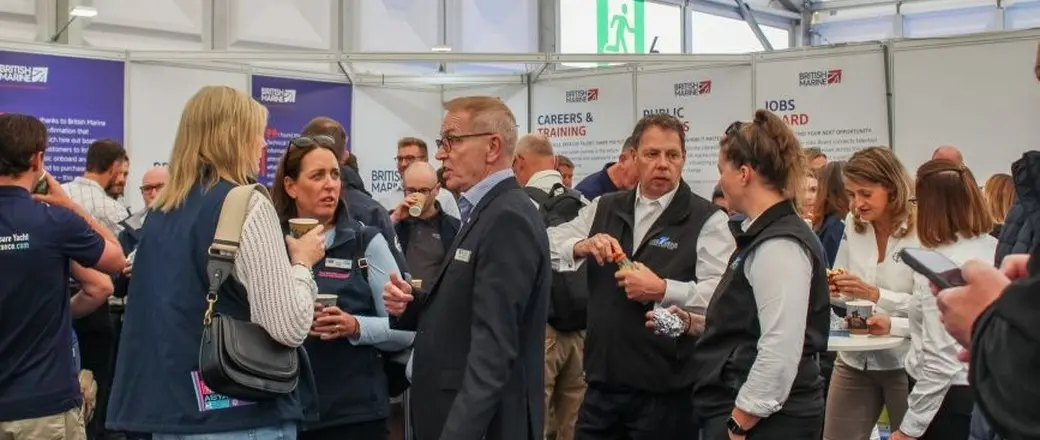
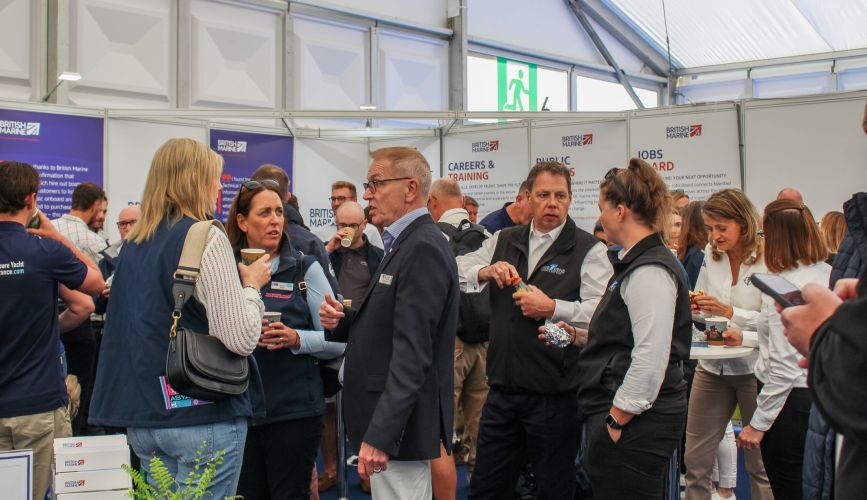
Official source product photograph: British Marine Boat Retailers and Brokers Association event photograph of actual Southampton 2026 boat brokerage industry people, different from group websites existing imagery. Original image rights remain with the source publisher and photographer. Official press-image source.
Independent background or documentary context (not the source of the new announcement): Documentary source 1.