
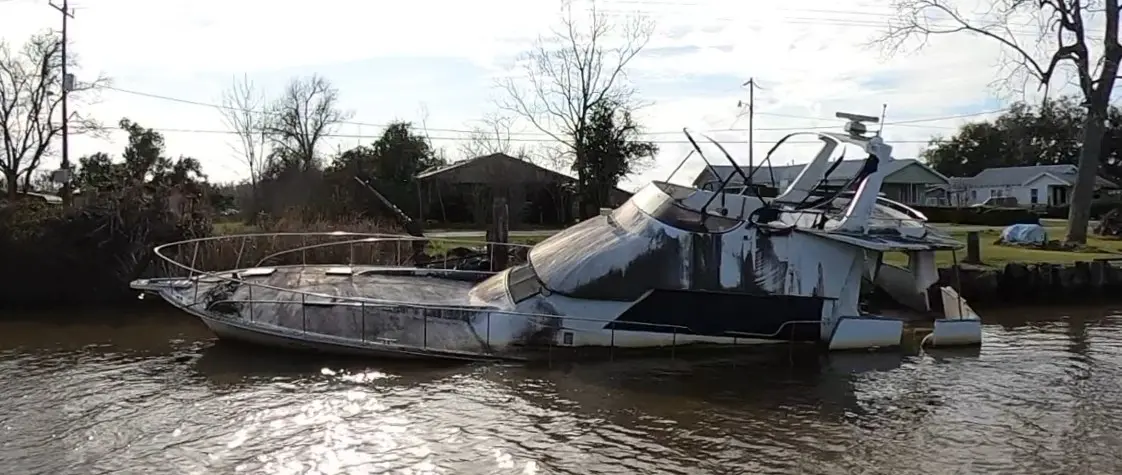
Two abandoned craft cleared from a busy estuary
The BoatUS Foundation and Terrebonne Parish Consolidated Government have reported the removal of two abandoned and derelict vessels from Louisiana waterways on 6 and 7 October 2026. The work took place in the Terrebonne Basin, within the wider Barataria–Terrebonne National Estuary, where old boats can become hazards to navigation and the aquatic environment. The programme was announced by the organisations on 8 October.
Abandoned boats are a particular concern in shallow bayous because they may block a narrow route or remain partly submerged where another vessel cannot readily see them. Their tanks, batteries and deteriorating materials can also introduce pollution risks. Clearing two vessels is a specific local result, not evidence that the entire basin is now free of derelict craft.
Why small-boat users are directly affected
The Terrebonne waterways support fishing, recreation and local businesses that rely on navigable channels. Many of the craft operating there are relatively small, and their skippers must contend with shifting depths and obstructions. A derelict hull can create additional danger when it lies near a bend, a launch facility or a frequently used fishing route.
A skipper who encounters a suspected abandoned vessel should keep clear and report its location through the appropriate local authority rather than attempt to tow or dismantle it. A craft that appears harmless from above may conceal fuel, batteries, sharp fittings or unstable structure. Removal is best managed by teams equipped to assess environmental and salvage risks.
Cleaning up is only part of the solution
The BoatUS Foundation has been involved in initiatives to identify and reduce abandoned-vessel problems across the United States. The Terrebonne project forms part of a broader effort that includes prevention, policy discussions and sharing practical removal experience. The October announcement links the cleanup with the forthcoming Turning the Tide Summit, which will focus on abandoned and derelict vessels.
Such projects depend on cooperation between government, environmental specialists, marine contractors and communities that use the waterways. Ownership status and legal responsibility can be complicated, particularly where a vessel has changed hands or been left for years. Preventing future abandonment may require easier disposal options and clearer information for boat owners before a worn-out craft becomes a public problem.
The environmental cost of a neglected hull
A vessel left to deteriorate may shed fragments of fibreglass, timber or fittings and can affect sensitive shoreline habitats. In coastal Louisiana, wetlands and bayous provide nursery and feeding areas for many species. Removal needs to account for these habitats so the operation does not cause avoidable damage while solving a navigation problem.
The specific environmental condition of each boat varies, and not every old hull will contain the same quantity of fuel or hazardous material. Inspection and safe handling are therefore essential. Community awareness can help authorities identify vessels early, while sound storage and maintenance practices may prevent some boats from being abandoned in the first place.
A lesson for responsible leisure-boat ownership
The October Terrebonne cleanup demonstrates that a neglected boat creates responsibilities long after its owner has stopped using it. Routine maintenance, secure moorings and sensible decisions about repairs or disposal protect both the owner and people sharing the waterway. When a boat becomes uneconomic to keep, lawful recycling or disposal is preferable to leaving it in a creek.
BoatUS has provided the official record of the two-vessel removal and the organisations involved. The longer-term measure of success will be fewer hazards entering the water and more effective systems for dealing with those already present. For small-boat communities, clean and navigable waterways are part of the essential infrastructure of boating.