
Boatbuilders turn attention to the second life of their yachts
A report published by METSTRADE on 26 November 2026 describes a growing emphasis on factory-supported refurbishment among established sailing-yacht manufacturers. Groupe Beneteau's NEO programme and the service approach of Oyster Yachts featured prominently in interviews around the Amsterdam marine trade show. Beneteau chief executive Bruno Thivoyon spoke about older boats being brought back to the yard and returned to use with updated equipment and interiors, while Oyster management discussed extending the lives of its vessels. These two manufacturers serve different markets, and many Oyster yachts are substantially longer than the under-12-metre boats covered by Leisure Boat Guide. The broader lesson, however, applies to small boats: a sound older hull may offer a platform for years of additional sailing if the owner can establish that its structure, machinery and systems justify the investment.
What the NEO concept is trying to do
According to the METSTRADE account, Groupe Beneteau is developing NEO as a refurbishment business that can bring older Beneteau, Jeanneau and Lagoon sailing yachts back into a managed upgrade programme. The approach goes beyond cleaning upholstery or installing a chartplotter before resale. It suggests an effort to coordinate the inspection, modernisation and long-term support of craft that might otherwise be maintained through a series of unrelated local contractors. A factory-linked programme has potential advantages because original construction drawings, equipment specifications and detailed knowledge of a hull range may be easier to locate. That does not mean every older model is eligible or that the builder will approve every owner-requested modification. Owners should establish the exact entry criteria, survey process and warranty scope before assuming that factory-backed refurbishment is available for their boat.
Understanding the financial argument
The organisers' report quotes Thivoyon as suggesting that a refurbished yacht with modern electronics, controls and interiors may cost roughly half as much as a comparable new boat. This is the executive's description of a potential value proposition, not an audited market-wide ratio or a guarantee for an individual vessel. A neglected yacht with hidden structural problems can be expensive to restore, while a well-kept example requiring modest electrical changes may offer a much more attractive calculation. Owners need a complete budget including purchase price, survey, haul-out, rigging inspection, wiring, engine work, sails, antifouling, transport, taxes and contingency. Even when the initial estimate is sensible, inaccessible corrosion or water ingress can change the decision. The proper comparison is between the finished cost of a seaworthy, usable boat and genuinely comparable alternatives, not between a low advertised used-boat price and the retail price of a much larger new model.
Why small fibreglass sailboats are especially interesting
The large installed fleet of small fibreglass cruisers and dinghy-supported trailer-sailers creates an enormous reservoir of existing hulls. Many were built with straightforward layouts and robust structures, although age alone is no proof of condition. A six-to-twelve-metre sailing boat may be perfectly suitable for coastal cruising while carrying equipment that is now inconvenient to operate or difficult to repair. Navigation electronics, batteries, wiring, galley arrangements and cabin furnishings are often replaced during successive ownership cycles. The new factory-backed model suggests a more coherent approach, beginning with a written condition assessment and a clear plan for the future. At this size, sensible restraint is important. An owner can easily overspend on technology while leaving old standing rigging or seacocks unexamined. The strongest refurbishment starts with the boat's essential integrity and only then addresses comfort or resale presentation.
The important limits of an older hull
Before planning a deep refit, owners should commission a survey appropriate to the hull's age, material and intended use. Moisture readings alone cannot establish all structural risks, and a boat's apparent cosmetic condition should never substitute for inspection of the hull, deck, keel attachment, steering and rigging supports. A modernised interior cannot correct compromised laminate or corrosion hidden behind furniture. The decision to refurbish also depends on whether replacement parts can be obtained and whether machinery spaces remain accessible. If original documentation is missing, tracing electrical and fuel installations can become unexpectedly laborious. A good contractor should identify must-do safety work separately from optional cosmetic improvements and should warn when the technical cost may exceed the long-term usefulness of the boat. The ideal outcome is not simply a boat that resembles a new model; it is a sound craft with predictable maintenance and carefully documented changes.
Electronics can be an opportunity and a trap
Modern multifunction displays, AIS, instruments and communications systems can transform a small yacht's usability. They may make navigation more accessible and help a short-handed crew understand weather, position and traffic. Yet replacing one screen often exposes underlying problems with old cabling, unlabelled circuits, inconsistent power supply or incompatible sensors. An electrical survey should precede the purchase of costly electronics. Owners must determine which existing transducers can be retained, whether the installation uses current network standards and how essential information remains available after a display failure. Updating the entire helm is not always necessary. A simpler arrangement with clearly separated functions may be safer and easier to maintain. The promise of a factory-managed refit is that the changes can be planned together; the risk is that enthusiasm for digital features inflates the budget without resolving the vessel's basic maintenance liabilities.
Electric propulsion needs a duty-cycle calculation
The METSTRADE article describes Thivoyon's longer-term ambition for greater electrification in sailing yachts, but it does not establish that a specific NEO refit kit can be fitted to every existing boat. Replacing a diesel auxiliary with electric propulsion involves more than choosing a motor of nominally comparable power. Battery capacity, charging, shaft or saildrive compatibility, cooling, ventilation, weight distribution and emergency operating procedures all require careful evaluation. A trailer-sailer used for short harbour departures has very different needs from a coastal cruiser that motors against a tide for hours. Shore-power availability and the ability to recharge while under way may determine whether a conversion is practical. Owners should demand calculations based on the actual hull and operating profile and should understand the implications for insurance and certification. A conventional, well-maintained auxiliary can remain the appropriate choice where the infrastructure or budget does not support a reliable conversion.
Oyster's support model is a separate signal
The account also quotes Oyster's leadership about the value of supporting older yachts, including through a Barcelona refit facility and cooperation with independent yards when owners are far from home. The report refers to 45 Oyster yachts passing through the yard ahead of a Mediterranean sailing season and a desire to extend the working life of long-lived hulls. Those details concern a premium offshore manufacturer rather than the typical small family cruiser, and they should not be transplanted directly into the under-12-metre market. What is relevant is the principle of preserving technical information and maintaining a relationship with the boat after its first sale. Owners of smaller production boats would benefit from ready access to old drawings, equipment manuals and updated service bulletins. This kind of support may prevent unnecessary replacement of perfectly usable components and make independent repairs easier to perform correctly.
Warranty wording matters when a yard supplies the work
A factory or authorised refit programme may offer some form of warranty on the work carried out. That is not the same as a new-boat warranty on the original hull, deck, engine or every legacy fitting. Owners should ask which components are covered, for how long, and who will resolve problems if the boat is used in another country. A newly installed battery charger may have a different manufacturer's warranty from the yard's labour guarantee, while a repaired steering installation may require separate acceptance checks. Good documentation should include a complete bill of materials, test results, amended electrical schematics and maintenance instructions. Without those records, future technicians may struggle to identify which parts were original and which were changed. A modernised second-hand yacht becomes more valuable when its service history is traceable and its modifications are professionally documented.
Charter operators have different priorities
METSTRADE's report notes the potential of refurbishment for charter fleets, which often use a boat more intensively than a private owner. A charter operator must balance reliability, passenger comfort, turnaround time and a predictable maintenance budget. A coordinated refit may extend a vessel's commercial service or enable it to be sold with a clearer record. However, charter use also places heavy demands on engines, sails, deck hardware and interiors. A cosmetic refresh alone may not restore the reliability of equipment nearing the end of its life. Safety and regulatory requirements for commercial operation can differ from those for privately owned leisure boats. Before assuming a refurbished craft is suitable for charter, owners should confirm the relevant local rules, inspection requirements and insurance terms. The business case must reflect actual utilisation, not merely the attractive appearance of a freshly renovated saloon.
The environmental case must be assessed honestly
Reusing a sound hull can avoid the need to manufacture an entirely new vessel and may keep substantial material out of waste streams. That is a plausible environmental benefit, but not a complete life-cycle calculation. A large refit can require new electronics, batteries, timber, upholstery, adhesives and transport, each with its own material and energy impact. Some structural repairs use additional resin and composites that will later be difficult to recycle. Owners should therefore avoid declaring any refurbishment automatically carbon-neutral or environmentally superior. The better practice is to record which components can be retained, repaired or reused and replace only those that no longer meet safety or functional requirements. Material choice, local contractor availability and proper disposal of removed equipment also matter. An honest environmental assessment recognises both the value of preserving a durable boat and the costs introduced by the refurbishment process itself.
When a refit should be declined
Not every old yacht deserves a deep restoration. A heavily damaged hull, a fundamentally unsuitable layout or a lack of essential replacement parts can make the project economically or practically unreasonable. Likewise, a vessel that cannot meet the owner's expected operating range after sensible upgrades may be a poor match regardless of its initial price. The decision should include a written maximum budget and clear criteria for stopping the work if major unforeseen defects emerge. Owners should avoid beginning an extensive dismantling project without a plan for storage, insurance and eventual recommissioning. A qualified independent surveyor can help distinguish routine age-related maintenance from defects that make further investment unwise. Refurbishment is most successful when it is a deliberate ownership strategy rather than an emotional attempt to recover money already spent on an unsuitable boat.
What has actually changed in November 2026
The confirmed news is that METSTRADE's contemporary interviews highlighted a stronger commercial commitment to refurbishment and modernisation from Groupe Beneteau and Oyster. The report identifies NEO as a programme covering Beneteau, Jeanneau and Lagoon sailing yachts and records the views of named executives about owner support, value and longer vessel life. Those are company statements presented in an organiser's report, not independently verified financial returns for every project. No claim should be made that all small Beneteau or Jeanneau boats now qualify for a factory refurbishment or that every refit receives a comprehensive warranty. The announcement supports an emerging industry trend in which established builders seek more involvement after the initial sale. Leisure Boat Guide's focus is the practical consequence for owners of small used sailboats considering a significant upgrade.
A sensible starting point for an owner
For a small-boat owner, the first action is not to order a new dashboard or investigate an electric motor. It is to obtain an honest survey, define the intended use and prepare a list of safety-critical repairs. The owner can then compare an integrated refit quotation with a carefully selected replacement boat, making allowance for service life, resale and ongoing maintenance. If the original builder offers an authorised programme, ask for its written eligibility rules and scope; if not, a reputable independent yard may still provide excellent work. The new emphasis on refurbishment may eventually improve access to drawings, parts and more consistent service. The ultimate measure will be whether older boats remain safe, dependable and affordable to own, rather than merely whether they are photographed with fresh cushions and new electronics.
Primary reporting and image credit
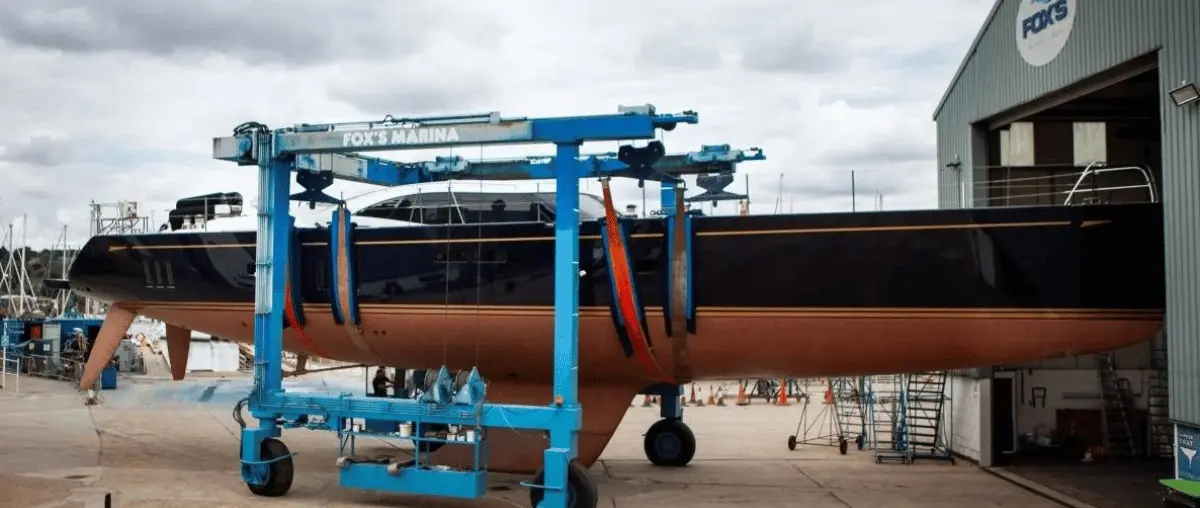
Primary manufacturer and organiser source(s): https://www.metstrade.com/news/emerging-technologies/sail-it-again. © METSTRADE / original photographer. Genuine organiser's official 2026 refurbishment article image; not an independent before-and-after verification. Image is used only for correctly attributed factual editorial coverage and never represented as open-licence stock photography.