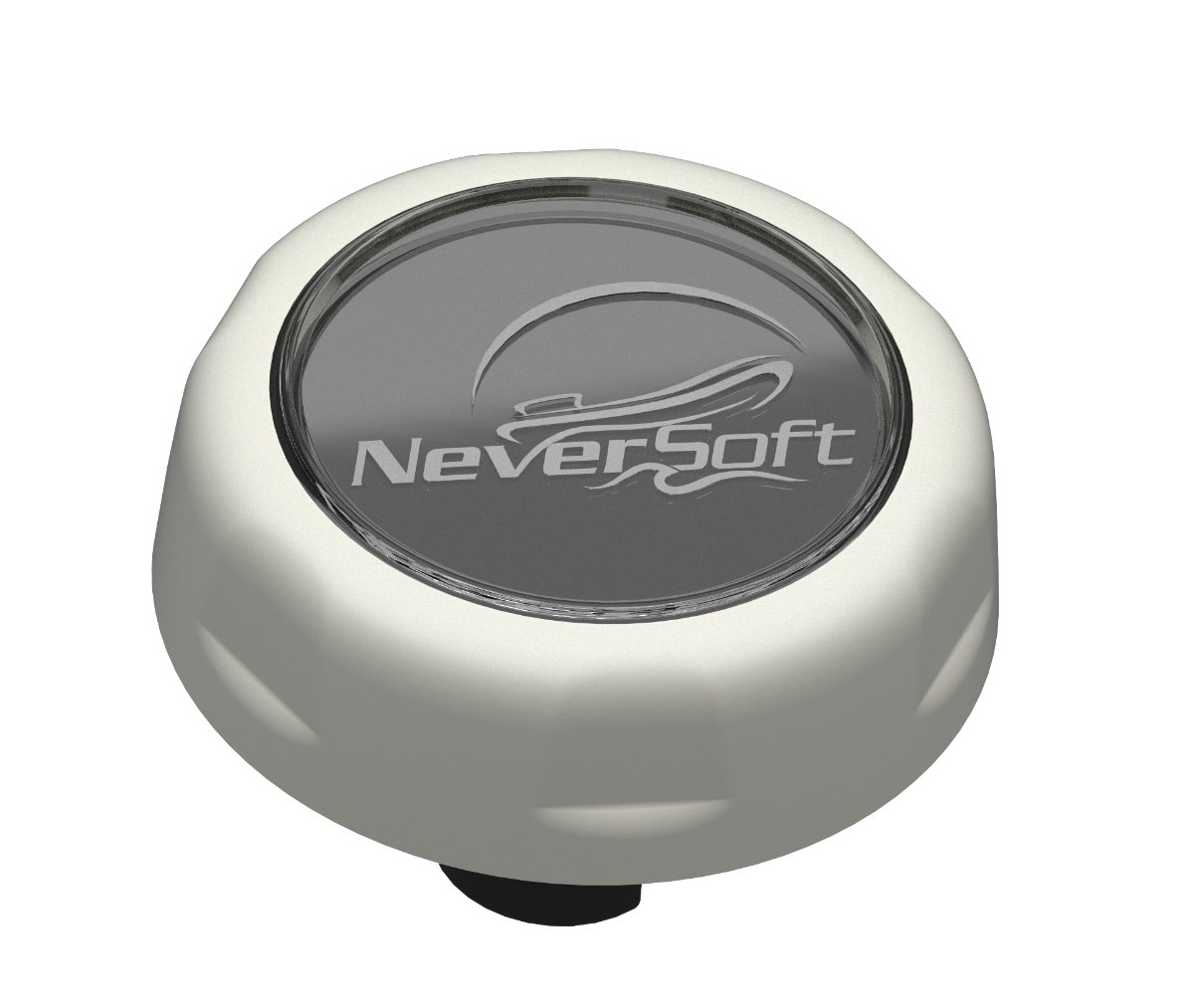
Barton Marine has introduced NeverSoft, a new range of automatic pressure-management valve caps for rigid inflatable boats, at METSTRADE 2026. The British marine-equipment supplier announced its partnership with US engineering company CSE Marine Products on 12 November ahead of the Amsterdam show. NeverSoft is designed to sense the air pressure inside individual inflatable chambers and use a small powered pump to correct pressure loss. An integrated solar-charging arrangement is intended to support the system without the skipper manually inflating the boat every time it is used. For owners of small RIBs and inflatable tenders, the concept addresses a familiar concern: tubes can change pressure with temperature, storage conditions and everyday use. The announcement describes intended benefits, but independent long-term reliability figures have not been published.
A small component with a specific job
Inflatable tubes are central to a RIB's buoyancy, shape and comfort. They need to maintain the appropriate inflation pressure specified by the boat manufacturer. The new NeverSoft components are designed as replacement valve caps rather than a complete redesign of the boat or a stand-alone inflation compressor. Each cap contains a pressure sensor and a miniature pump that responds to conditions in the chamber it serves. Barton describes a watertight solar-powered battery-charging arrangement integrated into the cap. That means the equipment is designed to operate at the tube itself rather than require the owner to bring a separate air pump to the slipway. Owners should still understand how the system is powered and what happens when a cap is disconnected or not exposed to sufficient light.
Why changing temperatures matter
Air pressure inside a sealed tube varies as its temperature changes. A boat that feels suitably inflated during a cool morning can experience increased pressure when left in strong sun, and the reverse may happen in cold conditions. The effect is familiar to people who store small inflatable boats on trailers, in garages or at exposed marina berths. It does not automatically mean that the tube has developed a leak. Distinguishing a normal temperature-related change from a damaged seam or valve can be important when diagnosing pressure loss. NeverSoft attempts to respond to changes automatically, but owners should still use a pressure gauge and the boatbuilder's recommended values whenever they need to verify that an individual chamber is operating correctly.
The quoted relief pressure needs attention
British Marine's announcement states that NeverSoft includes a pressure-relief valve set to 4 psi, or approximately 280 millibar, to reduce the risk of damaging over-inflation. That is a feature of the cap described by the supplier, not a universal pressure recommendation for all inflatables. Different makes and tube constructions may have different normal operating pressures and pressure limits. Owners must confirm that the new device is suitable for the particular boat and must not assume that a pressure setting mentioned in a product announcement can be applied to any RIB. Equipment that controls inflation must be matched to the characteristics of the chambers it is intended to protect.
The system is designed to learn its environment
Barton says the caps observe the boat's typical operating conditions over a short learning period, including temperature cycles, patterns of use and storage. The individual units are then intended to synchronise and make inflation adjustments together. The objective is to maintain approximately balanced pressure between the tubes without continually demanding the owner's attention. This sounds convenient, but the release does not explain every algorithmic decision or publish a full testing protocol. Buyers should ask how learning is reset after the boat is moved to a different climate and whether a cap can be checked or recalibrated manually. Such questions matter if the RIB is transported from winter storage to a much warmer cruising destination.
Balancing chambers is different from repairing leaks
Automatic topping-up may help counter small pressure changes, but it cannot repair a puncture, torn seam or faulty inflation valve. A chamber that requires frequent pumping can be showing the early signs of a problem that deserves physical inspection. The owner should not rely on an automatic cap to conceal persistent leakage. Tubes must remain structurally sound, and the boat's buoyancy arrangement must meet its original design requirements. The release describes the caps as a way of maintaining typical operating pressure, not a certified emergency flotation device or a guaranteed solution for damaged fabric. A responsible user should monitor how frequently the system activates and investigate unexplained losses promptly.
Compatible valves determine installation
Barton identifies compatibility with a range of universal inflation valves, including Halkey-Roberts, Leafield C7 and D7 and certain Zodiac-specific versions. Compatibility should be checked by exact valve type rather than brand alone. Manufacturers can change fittings across model years, and inflatable boats may have received replacement valves during earlier repairs. Owners should take a close look at the installed component and request the corresponding NeverSoft specification before ordering. A cap that seems to fit but does not seal correctly could create additional problems. If there is any uncertainty, the installer should seek guidance from the supplier or the boat's authorised service centre.
Every chamber needs the appropriate cap
The supplier says the system is intended to be fitted to each inflation valve on the inflatable vessel. That is important because a RIB's separate air chambers are designed to provide redundancy and need to be monitored individually. One smart cap cannot necessarily measure pressure in an isolated adjacent chamber. The number of units required therefore depends on the boat's actual tube layout, not simply its overall length. A three-chamber inflatable may need a different quantity from a boat with more compartments. Before purchase, owners should count the valves, establish the chamber arrangement and confirm whether any separately inflated floor or keel needs a different treatment.
The partnership connects two manufacturers
NeverSoft has been developed by US company CSE Marine Products, with Barton Marine handling the global marine-market supply relationship described in the announcement. Barton is an established supplier of sailing equipment and fittings, so the partnership extends its range into a component aimed particularly at RIBs and inflatable boats. That commercial arrangement matters to purchasers because after-sales parts and warranty support may pass through an international distribution network. The press release names the partners but does not give a complete worldwide dealer or service list. Owners who cruise away from their home market should establish how defective caps are replaced, who handles warranty claims and whether replacement batteries or seals can be obtained locally.
A solar charger introduces practical questions
An integrated solar-charging system could reduce the inconvenience of running electrical wiring to individual tube chambers. It also raises questions about storage under covers, indoors or in shaded locations. A RIB on a trailer may be protected by a heavy cover for months, and a tender carried beneath a yacht's deck may receive very little daylight. The manufacturer should explain what reserve capacity is available and what happens when the stored energy is depleted. Owners should not infer that a solar-equipped device is completely independent of charging or maintenance. It is also important to understand whether any indicator warns the user when a cap can no longer maintain its intended function.
Keeping pressure balanced can affect handling
A properly inflated RIB should maintain the tube shape and geometry intended by its designer. Underinflated chambers can change how the inflatable collar behaves against waves or while people move around the boat. Maintaining correct pressure may therefore help preserve consistent performance and passenger comfort, as Barton suggests. The effect will vary with hull design and conditions, and the announcement does not provide comparative sea-trial measurements across different boats. No owner should interpret the marketing statement as a promise of a particular extra speed or lower fuel consumption. The primary purpose of the system is pressure management, with any handling benefit depending on whether the previous inflation level was actually unsuitable.
Pressure care may influence tube wear
Repeated excessive flexing can contribute to wear in an inflatable tube, particularly around joints and high-stress areas. Barton argues that keeping pressure closer to the desired range can reduce premature material damage. That is a plausible engineering objective, but the release does not provide a quantified increase in service life or an independent long-term study. Tube longevity also depends on fabric quality, UV exposure, cleaning chemicals, storage practices and the condition of seams and valves. An automatic pressure-management device should be treated as one element in an appropriate maintenance routine rather than as a substitute for protecting the boat from abrasive surfaces or prolonged neglect.
What to inspect during a normal pre-departure check
Even with automatic inflation, a skipper should visually inspect the tubes for damage, confirm that valves are secure and check the boat's pressure against the manufacturer's guidance where appropriate. The NeverSoft units themselves need to be examined for loose fittings, damaged housings or contamination around their seals. Because the caps are attached directly to inflatable chambers, they could be exposed to accidental impacts when a boat approaches a pontoon or is pulled onto a trailer. A unit that looks distorted or has been struck should not automatically be regarded as reliable. The owner should understand how to remove or replace a device safely without allowing unintended pressure loss.
A fit-and-forget description has limits
The manufacturer's statement uses the idea of a minimal-maintenance system that can be fitted and then largely left to operate. Such language describes its intended convenience, but safety-related marine equipment must still be inspected and maintained. A solar panel can become dirty, a seal can age and an electronic component can fail. Owners should request the expected service interval, any self-test procedure and the instructions for replacing consumable parts. A product that reduces routine pumping can be useful without making regular checks unnecessary. Clear documentation is especially important for clubs and hire operators whose boats are handled by several people rather than one experienced owner.
The economics will differ between users
The value of the system depends on the frequency with which a boat is used and the amount of time currently spent checking or correcting tube pressure. A commercial or club fleet with numerous inflatables may be particularly interested in reducing repetitive preparation tasks, while a private owner with a single small dinghy may find manual inflation perfectly manageable. The announcement does not publish a universal installed price, battery replacement cost or verified saving in maintenance hours. A buyer should calculate the number of required caps, any special adapters, the expected servicing and the replacement policy. Convenience can be worth paying for, but the comparison needs to reflect real conditions rather than an assumed operating saving.
The METSTRADE introduction is the starting point
Barton presented the NeverSoft range at METSTRADE from 17 to 19 November 2026, inviting marine-industry visitors to examine the design. The release provides useful information about the operating concept, compatibility and intended benefits, but it does not establish that every possible configuration is available from every dealer immediately. Prospective purchasers should confirm shipping dates, regional approvals where relevant, exact valve models and any warranty conditions. A demonstration can also reveal how the cap fits and whether it interferes with adjacent hardware. For an inflatable tender carried aboard another vessel, extra clearance may be needed near davits, lifting points or protective covers.
A worthwhile question for RIB owners
NeverSoft approaches inflatable-boat maintenance as an ongoing task rather than a ritual performed only before launching. Its solar-powered sensor and pump arrangement, pressure relief and multi-chamber synchronisation could make life easier for owners who regularly contend with changing temperatures or frequent use. The significance of the November 2026 launch lies in bringing active pressure management into the familiar form of a valve cap. The technology should be assessed with sensible questions about reliability, correct pressure settings, charging and leak detection. A well-maintained RIB still needs inspection, proper storage and informed operation. If the product can help owners maintain the manufacturer's intended inflation without masking problems, it may prove a useful addition to the small-boat market.
Official sources and photography
Reporting independently based on Official primary issuer announcement.
Official source product photograph: NeverSoft automatic pressure-management valve cap for RIB inflatable tubes, cropped official Barton Marine original product photograph. Original image rights remain with the source publisher and photographer. Official press-image source.