
A configurable headsail system rather than a single-size fitting
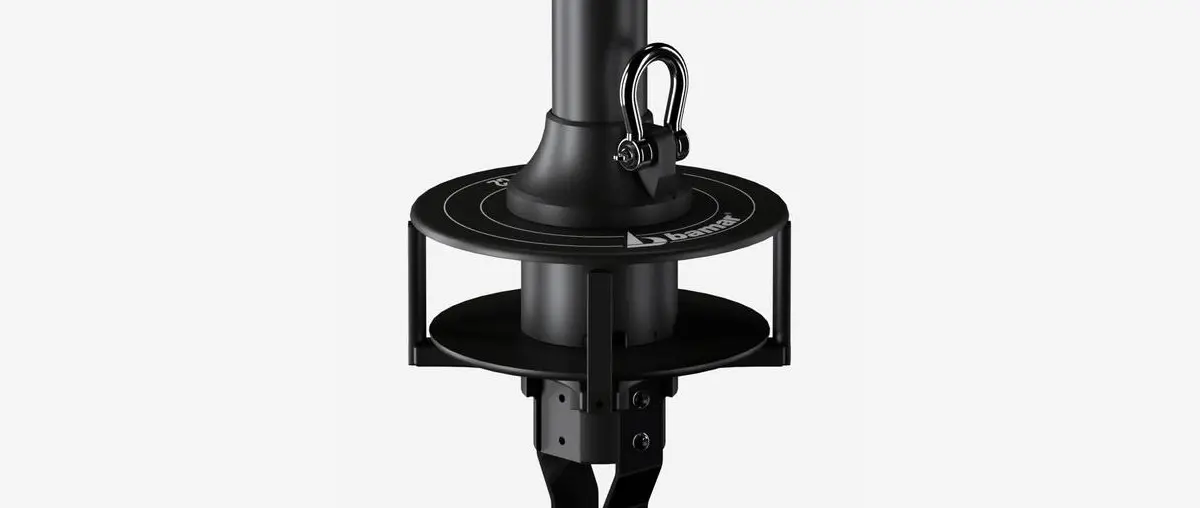
Italian rigging manufacturer Bamar presents its GFM manual foresail furler in the current METSTRADE marine equipment catalogue, describing a range that covers several wire and rod-forestay sizes. The official product entry identifies models C0, C0T and C1 through C6, with versions intended for 1x19 wire stays from 4 to 26 millimetres in diameter and rod stays from number 10 to number 91. A complete kit is described as including aluminium furling foils and a halyard swivel, with link plates that can be cut to adjust the tack height for an installation. For owners of small cruising sailboats, the noteworthy feature is not a claim of universal compatibility but the possibility of selecting from different configurations. Rigging loads and geometries vary considerably between boats that look similar from the quay. The source does not establish that every model fits a boat under twelve metres, and a qualified rigger must specify the correct components for a particular vessel.
What the manufacturer confirms
The Bamar product entry identifies the GFM as a manual foresail furling range rather than an electrically driven system. It lists the model sizes, forestay arrangements, foil and swivel components and an approach to fitting intended to use ordinary tools. These details help an owner understand the scope of the catalogue without implying that a forestay can be modified safely without professional supervision. The short public listing does not publish every load rating, precise fitting dimension or the relationship between each model number and approved vessel size. Nor does it state a new first-launch date in November 2026. Buyers should request the current installation manual and tables showing wire diameter, rod size, terminal compatibility and maximum sail or rig loads. A useful technical description provides a starting point for a specification, not a substitute for one.
Why a headsail furler matters to a small crew
A manual furling system can allow the crew to roll a headsail around its luff support without requiring the sail to be lowered every time the boat enters a harbour. On a small cruiser sailed by two people or a single-handed owner, that can make routine sail handling more manageable. But convenience depends on condition and correct operation. A system that rotates poorly, has a badly led control line or is matched to the wrong sail may become difficult to use precisely when the crew needs it. A furler must be integrated with the forestay, halyard, sail and deck hardware. Owners evaluating GFM should consider what problem they are trying to solve: worn bearings, an outdated foil arrangement, difficult line routing or an incompatible sail. Replacement is most successful when the underlying cause is understood.
Wire and rod stays are not interchangeable
The supplier's range distinguishes versions for 1x19 wire and rod rigging. These are different types of standing rigging with their own fittings and termination methods. A furler approved for a certain wire diameter cannot automatically be fitted to rod of an apparently similar size. The published GFM dimensions show that Bamar has developed a range intended for both, but a rigger must select the correct model based on the exact stay and its terminal assemblies. Older boats may have altered rigs, with components that no longer match the original builder's drawings. Inspection and measurement are therefore important before ordering. A catalogue list extending to large stays does not make the largest GFM unit a sensible choice for a small yacht; excess mass, expense and unsuitable geometry can be disadvantages.
Why aluminium foil sections matter
A furling foil surrounds or supports the forestay and provides a track into which the sail's luff tape is fitted. The GFM kit includes aluminium foil sections, according to the official description. Their dimensions, strength and connection method influence how the sail is hoisted and how smoothly it rotates when furled. The sailmaker must confirm that the headsail's luff tape matches the foil profile. On an existing cruiser, old foil sections may be damaged or bent, and the temptation to reuse them could complicate a new installation. Unless Bamar explicitly approves a combination, the complete system should be treated as an engineered assembly. Foil length also relates to the available hoist and the size of the masthead or fractional rig. A neat installation starts with precise measurements.
The role of the halyard swivel
The manufacturer's kit includes a halyard swivel, a component that allows the head of the sail to rotate appropriately with the furling assembly while keeping the halyard connected. Its arrangement and bearing condition can affect how readily the headsail rolls. Problems at the upper swivel may be difficult to see from the deck, particularly on a small boat where crew do not routinely climb the mast. A new installation should establish the correct position and halyard angle, and the owner should understand what abnormal resistance feels like. Halyard wrap can place dangerous loads on rigging, so it is important not to force a furler that has become stiff. The catalogue does not promise that GFM eliminates all halyard-wrap risks, and no such assumption should be made. Correct geometry and maintenance remain fundamental.
Cut-to-measure link plates and tack height
Bamar says the GFM kit uses link plates that can be cut to measure in order to customise tack height. This is a practical design feature because boats have different distances between their deck attachment points and the desired lower edge of the headsail. Adjusting the relationship can help position the drum and sail appropriately, but the modification must follow the manufacturer's approved dimensions. A plate is a load-bearing part of the rigging system, not a decorative bracket that can be shortened arbitrarily. Owners should establish whether the final tack position clears the anchor roller, pulpit, deck and surrounding fittings. A low or high tack can also affect the sail's shape and sheeting geometry. The sailmaker and rigger should be involved before any cut is made.
The control line and its deck route
A manual furler is normally operated using a line that turns the drum. The line must be compatible with the system and led through hardware that minimises friction and prevents chafe. A boat with a narrow side deck may require careful placement of blocks so the crew can control the line from the cockpit without creating a tripping hazard. Poor entry angle at the drum may cause uneven winding or jams, even if the bearings are in excellent condition. The GFM supplier should provide specific guidance on line diameter and routing. Owners should also inspect the existing blocks for damage before reusing them. A good upgrade pays as much attention to the line the crew holds as to the equipment at the bow.
The difference between furling and reefing
Furling a sail for storage and reefing it to reduce area while sailing are related but distinct operations. Whether a particular headsail can be used efficiently when partly furled depends on the sail's design, reinforcement and the furler's intended use. The short GFM catalogue does not establish universal reefing performance, so buyers should ask the supplier and sailmaker what is approved. A conventional cruising genoa might be designed for controlled reduction, while another sail may not retain a suitable shape when partly rolled. A skipper also needs to understand the weather conditions in which furling or unfurling should be undertaken. The ability to operate a drum from the cockpit is a convenience, not a guarantee that a loaded sail can be handled safely at any moment.
Installation requires rigging knowledge
The source describes a system conceived for installation with relatively simple tools, but that should not be interpreted as an invitation to dismantle a forestay without training. Standing rigging supports the mast, and incorrect tension or attachment can endanger the vessel and crew. A qualified professional should verify the stay, terminal fittings, mast support and procedure for temporary support during the work. The boat may also need to be positioned where the work can be carried out safely. An owner can contribute useful information by collecting rig specifications, photographs and details of the existing furler. The more exact the initial documentation, the less likely that incompatible components will be ordered. Ease of fitting must never be confused with freedom from engineering responsibilities.
Matching a model to the boat rather than buying by appearance
A small cruiser may carry a forestay diameter within the published GFM range, but that is only one of several selection parameters. The rig's righting moment, sail area, mast configuration and expected loads can influence the correct product choice. A supplier should confirm the model's load ratings and fitting options in writing. The deck attachment arrangement and allowable bearing loads must also be assessed. Choosing a larger furler because it looks stronger can add unnecessary weight at the bow and may not fit the rig properly. Choosing too small a model is more serious, potentially placing the equipment outside its design envelope. The correct system is one that matches the vessel's measured requirements and remains serviceable within its normal operating programme.
Commissioning and a calm-water test
After installation, the crew should test how the sail hoists, sets, rolls and stows in suitable conditions. The swivel should move correctly, the line should wind evenly and the system should remain clear of surrounding deck hardware. A rigger can help identify irregular friction or an unsuitable lead before the boat returns to demanding sailing. Crew should practise the sequence of easing sheets, maintaining appropriate tension and securing the sail. Unusual noise, twisting or resistance calls for investigation rather than greater force. A test in moderate conditions is preferable to discovering a problem in strong wind. Keeping the full manual aboard helps a future technician understand the selected model and its maintenance requirements.
Looking beyond a single season
A furler is expected to operate repeatedly over many trips and therefore needs periodic inspection. Bearings, foils, line guides, fasteners and halyard components can be exposed to salt and wear. The maintenance schedule should come from Bamar, not assumptions based on another brand. If a part becomes damaged, the owner should use compatible replacements and check whether the cause involves poor alignment or excessive load. A serviceable arrangement makes it possible to inspect the system without unnecessary dismantling. It may also be useful to retain documentation for a future buyer or surveyor. Regular attention can keep a seemingly uncomplicated manual system reliable, while neglect can turn a minor bearing or line problem into a difficult repair.
A current option, not a newly invented November launch
Bamar's GFM catalogue supplies concrete information about a family of manual foresail furlers, compatible wire and rod categories, aluminium foils, a halyard swivel and adjustable link plates. It does not identify a fresh November 2026 product launch or publish all engineering specifications. For owners of sailing boats under twelve metres, the relevant point is that the range offers several configurations for a carefully planned rigging refit. The installer should confirm the exact stay, sail, deck and load requirements before deciding whether GFM is suitable. A good furling system can make sailing with a small crew more straightforward, but it remains dependent on proper sail handling and sound rig maintenance.
Original industry sources and image credits
Lead image: Bamar GFM Manual Furler Offers a Broad Range of Forestay Sizes for Cruising Sailboats — producer original product photograph. © Bamar. Original supplier image.
