A conventional sailing task with a different drum layout
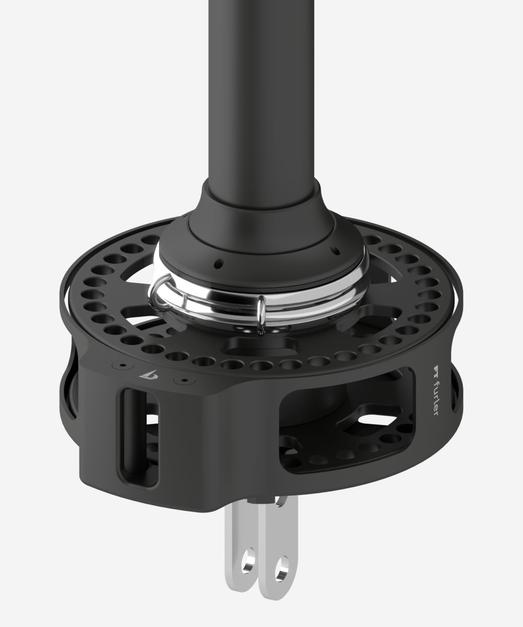
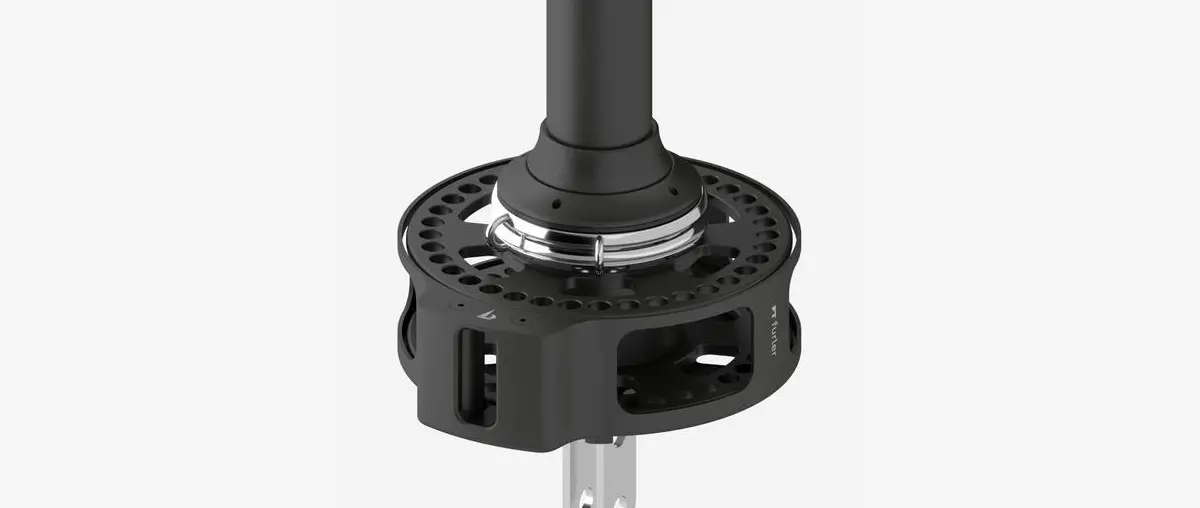
Italian deck-equipment manufacturer Bamar is listing its FT Furler, a manual headsail-furling system designed around a low tack fitting above the deck. The supplier's current METSTRADE catalogue describes the line as a range of compact manual foresail furlers using Delrin ball-bearing races, hardcoat-anodised aluminium and compatibility with specified Bamar foil sections. The system may interest owners of cruising sailboats under twelve metres who want to understand options for replacing worn furling equipment or improving the way a headsail is handled. Although the catalogue uses the expression new range, it does not provide an explicit release date for this product entry. It would therefore be misleading to describe FT Furler as a launch on 23 November 2026. The relevant story is what the manufacturer's technical design claims to offer, how it differs from familiar equipment, and the information needed before the system is fitted to a particular rig.
The manufacturer's stated features
Bamar's original product page identifies the FT Furler as a flat-tack manual foresail furler. It highlights a low tack fitting, a bearing arrangement using free 10-millimetre Delrin balls on hardcoat-anodised aluminium races and a design intended to remain compact and straightforward to service. The supplier says the drums are matched with Bamar BMG 30, 40 and 50R furling foils. These details are useful, but the short listing does not give a complete boat-size range, maximum allowable forestay load, exact drum dimensions or all approved installation configurations. Owners should ask for the product manual and sizing tables. The choice of a furling system depends on rig geometry, headsail size, loads and the details of the existing forestay. A named range and attractive product photographs cannot replace that technical calculation.
Why the tack position matters
The tack is the lower attachment point of the headsail, and its height above the deck affects how the sail is positioned and the geometry of the rig. A low-profile furler may allow the sail's lower edge to sit closer to the deck, subject to the sail cut and the installation. This could influence sailing performance and the way the sail clears fittings or the deck. However, closer is not automatically better for every boat. A headsail must have the clearance needed for safe operation, and a low drum could be vulnerable to water, deck contact or other obstructions if positioned inappropriately. The sailmaker and rigger should consider the sail's luff length, the boat's sheeting arrangement and access to the furling line. The value of a low-tack design is determined by the complete sail and rig, not by drum height alone.
How a manual furler works
A manual headsail furler lets a crew roll a sail around its forestay support using a line that turns the furling drum. It can make sail handling more manageable for a small cruising crew, but it still requires the correct technique and sufficient control of sheets and halyards. The furler may be used to stow a sail or, where the sail and equipment are designed for it, to reduce exposed sail area. The loads can be substantial, particularly if the skipper attempts to furl while the sail is heavily loaded. The manufacturer's instructions and sailmaker's guidance should establish the appropriate procedure. A smooth-running drum helps, but it cannot overcome a badly led line or a damaged sail. Owners should view the FT Furler as part of a system that includes the halyard, foil, drum, bearings and sail.
The ball-bearing arrangement
Bamar describes Delrin balls running on machined anodised aluminium races. Bearings help the drum rotate under the conditions for which it is designed, but their behaviour depends on load, contamination and maintenance. The public listing does not establish that the drum can be operated without any servicing under every use condition. Salt and grit can affect moving components, especially close to the deck where spray accumulates. The owner should request the cleaning and lubrication guidance for the exact model, noting that some bearings require methods different from those used on conventional metal parts. A well-engineered bearing can reduce friction, but poor line alignment or overload may still create resistance. Crews should not assume that a stiff furler can safely be freed by applying more force from a winch.
Matching a furler with foil sections
The FT Furler product entry identifies compatibility with Bamar BMG 30, 40 and 50R foil sets. That is a specific constraint rather than a claim of universal interchangeability with every rig. A boat may already have a different foil profile, halyard swivel or forestay connection. Replacing only the drum without checking these components could leave an incompatible arrangement. A rigger should confirm the approved foil, forestay type and attachment fittings, and decide whether a complete replacement is required. The sail's luff tape also needs to match the foil slot. A system that looks similar to the original may have different dimensions or allowable loads. Owners can reduce installation problems by keeping records of existing rig components and consulting the manufacturer before ordering.
Installation on boats below twelve metres
A small cruising yacht can have limited access to its bow, particularly around the anchor locker, pulpit and forestay fitting. A new furling drum needs clearance for rotation, line exit and inspection. The low-tack concept should be assessed alongside any anchor roller or bowsprit that could interfere with the sail. The rigger must understand how the forestay is attached and whether rig tension can be maintained safely during installation. Working with a forestay is not an ordinary cosmetic refit; it affects the standing rigging that supports the mast. A qualified professional should carry out or oversee the work. The owner should request drawings showing the finished arrangement and determine whether the furling line can be led to an accessible cockpit position without chafe or excessive bends.
The furling-line route is crucial
Even an efficient drum can be difficult to operate if the furling line runs through poorly aligned blocks or around sharp deck edges. Friction and uneven line tension can make a system feel heavy, particularly as wind and sail load increase. The FT Furler installation should include a carefully considered route for the line, with blocks suitable for the expected tension and the diameter specified by Bamar. A line that enters the drum at an inappropriate angle may stack unevenly, leading to jams. A crew should also be able to keep the line under control when unfurling the sail. A tidy arrangement on a small yacht can make a major difference to single-handed sailing. The complete line path should be inspected during commissioning, not treated as a detail to resolve after the first sail.
Sail shape and performance expectations
A low tack may appear to offer a performance advantage, but the impact on a particular boat depends on the sail design and conditions. The sailmaker needs to know the new available luff length and the intended use of the sail. A change in tack height can influence the sail's relationship with deck fittings and the way airflow moves through its lower region. Yet there is no universal speed gain that can be stated from the manufacturer's short catalogue. Owners should be sceptical of claims that changing one fitting will automatically make the boat faster or point higher. Better performance can come from the complete condition and tuning of the sail and rig. The practical benefits may instead involve more convenient handling and reduced hardware bulk.
Manual systems and powered alternatives
Electric furlers can reduce some manual effort, but they add motors, wiring, controls and service requirements. A manual system like the FT Furler remains appealing on smaller yachts where simplicity and low electrical demand matter. That does not mean it is always easier to use. A sail that is too large for the crew or the gear can produce unsafe loads, especially during difficult weather. Owners should compare the required furling effort, available deck space and the cost of installation before deciding. A well-sized manual system may be reliable and straightforward, while a powered alternative could suit a different vessel and operating programme. The right choice should be made from the boat's handling requirements, not a general belief that more or less automation is inherently superior.
Deck maintenance and access
A low-mounted drum may sit close to water and debris that gather at the bow during sailing. Crew should be able to inspect the housing, bearings and furling-line attachment safely. The manufacturer's product listing describes compact dimensions and low maintenance, but it does not establish that the unit should be ignored for an entire season. The rigging schedule should include checks for loose fasteners, damaged lines and signs of unusual friction. The foil sections and halyard swivel also deserve attention because a malfunction in one component can affect the whole furling process. Owners should keep the service manual aboard and know where to obtain approved replacement parts. A simple system can still fail if corrosion or wear is allowed to develop unseen.
Halyard wrap and the need for correct geometry
Some furling systems can experience halyard wrap if the halyard approaches the swivel at an unsuitable angle or if components become jammed. A wrapped halyard may create serious loads on rigging and deck fittings. A new manual furler should be installed with an arrangement that respects the sailmaker's and rigger's geometry requirements. The Bamar FT Furler catalogue does not claim to eliminate every possibility of halyard wrap, and no such guarantee should be invented. Owners should ask how the upper swivel is specified and whether any guide or restrainer is needed for the particular mast. A crew noticing abnormal resistance should stop and investigate rather than force the line. The safest way to avoid damage is a properly matched and maintained system, supported by familiarisation before challenging conditions.
Testing after installation
A commissioning trial should begin with checking that the sail hoists and the furler rotates freely through its intended range without lines catching on surrounding hardware. The crew should then practise furling and unfurling under suitable conditions, following the manufacturer's technique. It is useful to observe whether the line stacks evenly on the drum and whether the sail rolls neatly around the foil. The skipper should confirm that sheets remain under control and that the sail can be secured after furling. Any irregular sound or sudden increase in effort deserves attention. The test should not involve deliberately overloading the rig or attempting to reproduce extreme weather. A controlled trial can reveal alignment problems before they become dangerous at sea.
A choice for sailing yachts with different priorities
Bamar's FT Furler is a clearly documented manual furling concept built around a low tack fitting and specific bearing and foil arrangements. The manufacturer presents it as compact, light and relatively simple to maintain, but the actual effect on a boat's sailing performance and handling requires technical assessment. For small cruisers below twelve metres, the option may be useful during a rigging upgrade when the owner wants to remain with manual control while changing drum geometry. The essential work is to match the furler to the forestay, sail, line routing and deck structure. Its current catalogue presence does not establish a fresh November 2026 launch date. A carefully fitted system can make a familiar task easier, but safe headsail handling still depends on proper sail selection, suitable weather judgement and a crew that understands the equipment.
Original industry sources and image credits
Reporting based on Bamar official manufacturer-authored FT Furler manual headsail-furling technical product profile in current 2026 METSTRADE directory; original first-launch date unspecified.
Lead image: Bamar FT Furler Lowers the Tack Profile on Manual Headsail Systems — original producer product photograph. © Bamar. Original supplier image.