
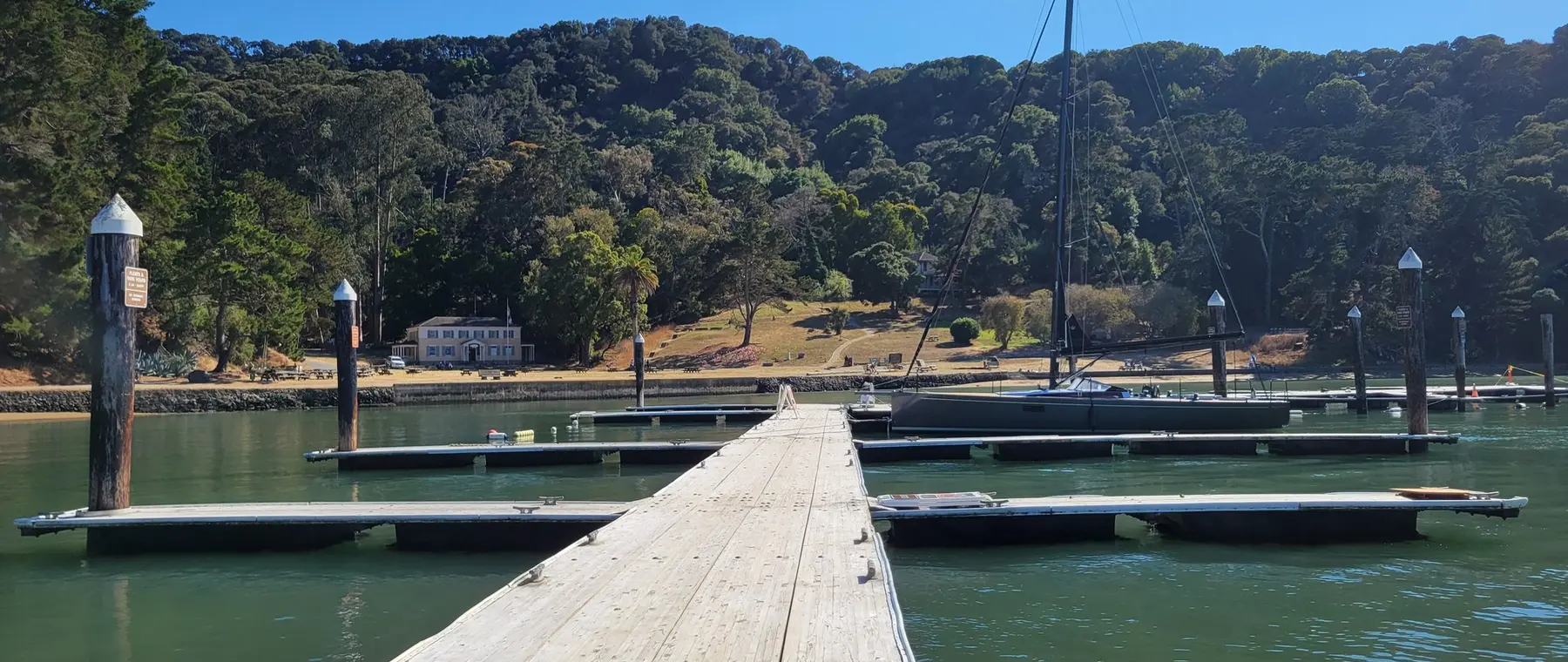
Angel Island remains open with restrictions
California State Parks is warning visitors to Angel Island in San Francisco Bay about two overlapping access problems this autumn. Park authorities plan to remove dilapidated sections of the Ayala Cove docks in early November ahead of the 2026–27 storm season. Separately, repairs and limited water reserves have interrupted drinking-water service around Camp Reynolds and along a section of Perimeter Road.
The restrictions notice was last checked by the park on 29 October 2026. It describes the park as open, but with limitations on selected services and facilities. That is an important distinction for visitors who might otherwise assume that a general opening notice means every dock, water tap and historical building can be used normally.
The water shortage is expected to last until around 1 December, although that is an estimate rather than a guaranteed restoration date. The affected stretch runs from Camp Reynolds towards Four Corners. People planning longer walks must carry adequate water instead of relying on a tap shown on an older trail map.
What is changing at Ayala Cove
The park says that sections of the Ayala Cove docks that have been closed for an extended period will be removed as a precaution before winter storms. The work is planned to begin in the first week of November. Private skippers approaching the cove are asked to watch for hazard buoys and avoid any space enclosed by floating lines.
The park's main information page describes day-use slips as partly closed, with sixteen currently available. Its forward-looking works notice gives more detailed sizes for the slips expected to remain after removal. Since these figures describe different stages of the works, boaters should obtain current information rather than assume a particular berth will be accessible.
The cove also has overnight mooring buoys, and the park advises boaters to pay before tying up. Maintenance in the mooring field may occur periodically during autumn and winter. A marina-style guarantee of a berth is not implied by the published fees, so a visiting crew should have a fallback destination if suitable facilities are unavailable.
Charges, moorings and boat handling
California State Parks lists a fifteen-dollar day-use slip fee and a thirty-dollar mooring fee covering day use and the following noon. A second boat rafted to the same mooring arrangement attracts a separate charge. These are published rates subject to group-size and pass conditions, not a promise that the selected mooring will be vacant on arrival.
Skippers must distinguish between a legal mooring and a closed part of the docks. Paying the stated charge does not provide permission to enter a zone closed for safety works. Weather, water depth, boat size and the capability of the crew all remain relevant when deciding whether to enter Ayala Cove.
Angel Island has no road or bridge connection to the mainland. Private craft and public ferries are its principal access routes, so disruption at the waterfront has practical consequences for every visitor. For a small recreational boat, a conservative decision about landing is more important than preserving a sightseeing schedule in unsuitable conditions.
Temporary water arrangements for visitors
The water outage affects Camp Reynolds and sources along Perimeter Road between Camp Reynolds and Four Corners. The park states that campers at Camp Reynolds and Ridge Campground will be supplied with containers of water daily under the temporary arrangements. That provision should not be interpreted as a general promise that every arriving visitor can obtain unlimited drinking water.
Portable toilet facilities have been placed beside the Camp Reynolds restroom buildings. They provide temporary support but do not mean that the normal water system has been restored. Travellers with children, accessibility needs or plans for longer walks should confirm the locations of usable facilities before leaving Ayala Cove.
Angel Island's historical attractions include the Immigration Station, Camp Reynolds and Fort McDowell. Some museums have limited hours, while food service, bicycle hire and tram tours can operate seasonally. It is therefore sensible to plan around the facilities confirmed open on a particular date rather than try to include every historic stop in a single visit.
How to plan a November outing
Public passenger ferries can offer an alternative to approaching the affected private-boat slips. The park identifies Golden Gate Ferry from San Francisco and the Angel Island Tiburon Ferry, with services governed by the respective operators' timetables. A traveller should check the actual date and last return departure, especially as winter and weekday schedules differ from the summer pattern.
Even ferry passengers must account for the water restrictions and the possibility of changed access around the cove. Carry enough drinking water, allow time to reach the return ferry and respect construction barriers. A beautiful day in the bay does not alter the safety requirements imposed around damaged docks or temporarily unavailable utilities.
The clearest current advice is to consult the Angel Island State Park restrictions page immediately before departure. Dock works and water repairs have separate schedules, so conditions may change from one week to the next. Travellers who remain flexible can still enjoy the island's views and historic landscape without treating a temporary restriction as an inconvenience to ignore.