
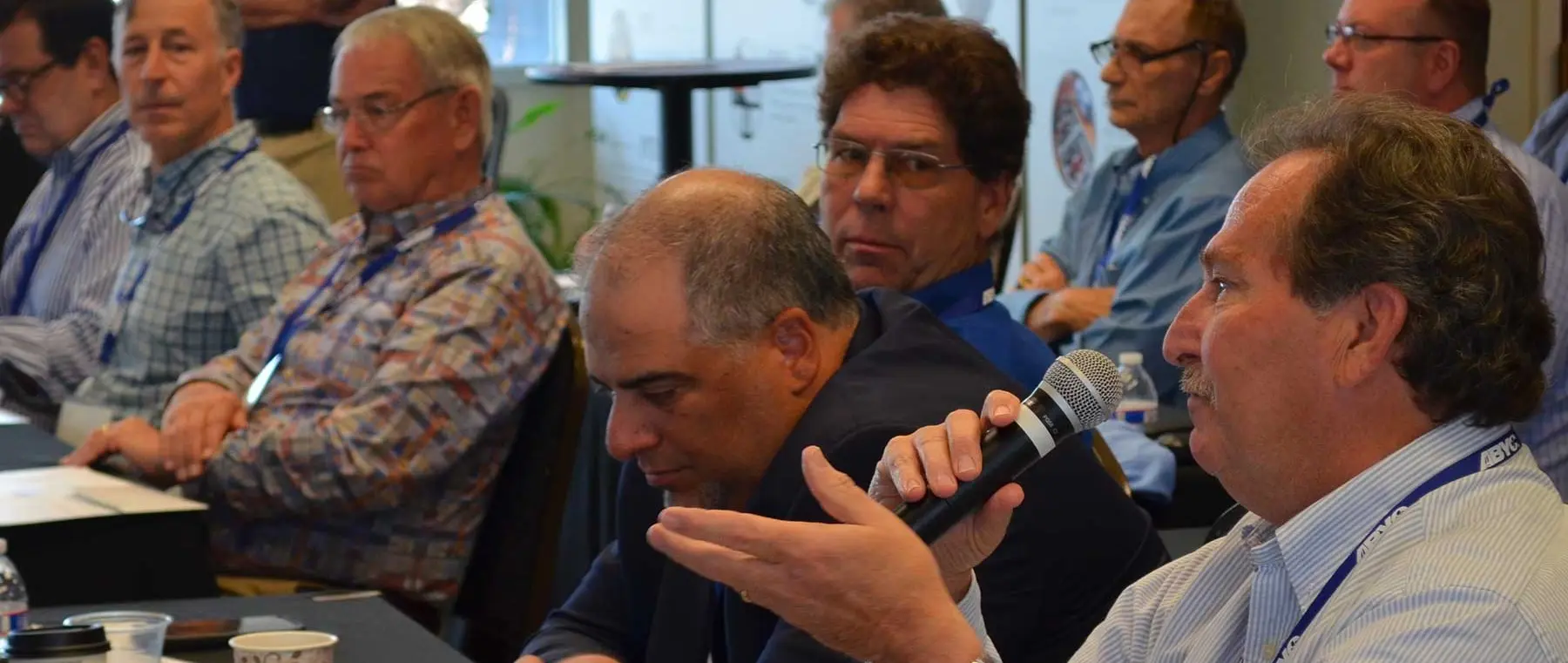
Technical experts invited to shape next year's event
The American Boat & Yacht Council is accepting proposals from marine-industry speakers for SUR/TECH 2027. The conference is scheduled for 23 and 24 March 2027 in Annapolis, Maryland, and will also offer a way to attend remotely.
ABYC's October announcement asks for practical presentations informed by field experience. Professionals interested in speaking have until 30 November 2026 to submit a proposed subject for consideration.
Electrical systems remain a central issue
Marine battery banks, charging installations and modern onboard electronics are among the subjects being considered. These systems are increasingly found on motorboats and cruising sailboats, where reliable power supports navigation and domestic equipment.
ABYC is particularly interested in lithium-ion technologies and 48-volt electrical architecture. Installers must assess the interaction between batteries, cabling, chargers and protective devices rather than assume each component works safely in isolation.
AI and diagnostic tools join the discussion
The proposed programme also invites presentations about artificial intelligence and new diagnostic equipment. ABYC identifies security, privacy, accuracy and risk as important considerations when software is introduced into technical work.
A computer-generated report does not verify the physical condition of a boat, so proper inspections remain essential. Technicians and surveyors can use new tools while retaining professional responsibility for what they conclude.
Surveying and maintenance lessons
Real cases involving fuel systems, electrical faults and repairs may offer the most useful lessons for the conference audience. Clear examples can show how failures arise and how a careful process helps prevent similar problems elsewhere.
The conference is intended for surveyors, installers, engineers and other technical professionals. The eventual timetable will depend on which proposals ABYC accepts, so individual session titles should not be treated as confirmed yet.
Why recreational owners should care
Most boat owners will not attend a professional technical conference, but they depend on trained people for repairs and upgrades. Shared standards and documented experiences can help raise the quality of marine installation and maintenance work.
The opportunity to propose a talk is open now, while the programme itself is still being assembled. ABYC's official site provides submission instructions and information about the conference.
Why technicians benefit from shared case studies
Two boats can show similar symptoms while having very different faults. A recurring electrical cut-out might originate in a connector, an unsuitable installation or a piece of equipment that is failing internally. Technical conferences give practitioners a chance to examine real cases and explain how they reached a diagnosis instead of simply exchanging product names.
A useful presentation should separate observations from assumptions, identify the relevant standards and explain the evidence collected. Owners benefit indirectly when installers and surveyors use disciplined methods. Replacing a component without establishing the cause of a fault may make the symptom disappear temporarily while leaving an underlying hazard unresolved.
Lithium batteries demand system-level thinking
Lithium battery installations can offer useful energy storage for domestic loads and electric propulsion, but the complete system needs compatible charging, monitoring and protective arrangements. It is not enough to replace a conventional battery with a different chemistry and retain every existing component without assessment. Cable protection, ventilation where required and emergency isolation must be considered.
The ABYC speaker topics provide a forum for professionals to compare approaches and understand how technical requirements are evolving. Recreational owners considering an upgrade should request a detailed design and documentation from a competent installer. Batteries are one part of a larger circuit and should not be evaluated independently of chargers and other loads.
Forty-eight-volt equipment and mixed systems
Higher-voltage equipment can support larger electrical loads while reducing current for a given power level. That may offer installation advantages, but it also introduces questions about compatibility with the vessel's existing lower-voltage systems. Converters, fusing and equipment isolation need proper planning so that a fault does not propagate between systems.
A technical conference can help installers discuss the practical trade-offs without treating one voltage as universally preferable. Boat owners should ask how a proposed system will be serviced and whether replacement parts are readily available. A well-designed installation must remain understandable to future technicians who were not involved in the original refit.
Digital tools need human verification
Software can help a surveyor organise photographs, identify missing checklist items or compare readings across inspections. Artificial intelligence may also assist with research, but generated text can be inaccurate or omit important context. A professional report should be based on physical observations and verifiable evidence rather than accepting automated conclusions as fact.
Security and confidentiality are additional concerns when photographs or vessel details are uploaded to external services. Customers should know how their information is stored and whether third parties can access it. A new diagnostic tool deserves the same scrutiny as a new mechanical instrument: it must be appropriate, reliable and used by somebody qualified to interpret its output.
Marine surveys involve judgement and communication
A good survey does not simply produce a long list of components. It explains significant defects, priorities and the limits of the inspection in language a customer can understand. If access to a system was restricted or a test could not be completed, that limitation should be stated clearly so the owner knows what remains uncertain.
Examples shared at SUR/TECH could show how technicians record faults and distinguish urgent safety concerns from ordinary maintenance. Such discussions may improve consistency without eliminating professional judgement. Independent inspection remains especially important when a boat is being purchased or restored after a long period out of service.
What owners can ask after the event
Boat owners can ask their service providers whether they follow current marine electrical standards and how staff maintain their knowledge. Training certificates and attendance at conferences are useful indicators of professional development, but they do not automatically guarantee the quality of a particular installation.
The upcoming event is a call for speakers, not yet a completed technical programme. Applicants should consult ABYC's formal proposal requirements and deadlines. Owners who follow later conference material may gain helpful questions to take to their own technicians, especially when planning substantial refits.
A clear distinction between manufacturer instructions and professional standards matters when boat equipment is upgraded. Components may each carry individual approvals but still perform poorly together when wired or installed incorrectly. Owners can ask technicians to document design assumptions, test results and any departures from standard guidance so that future repairs begin with reliable information rather than guesses.