
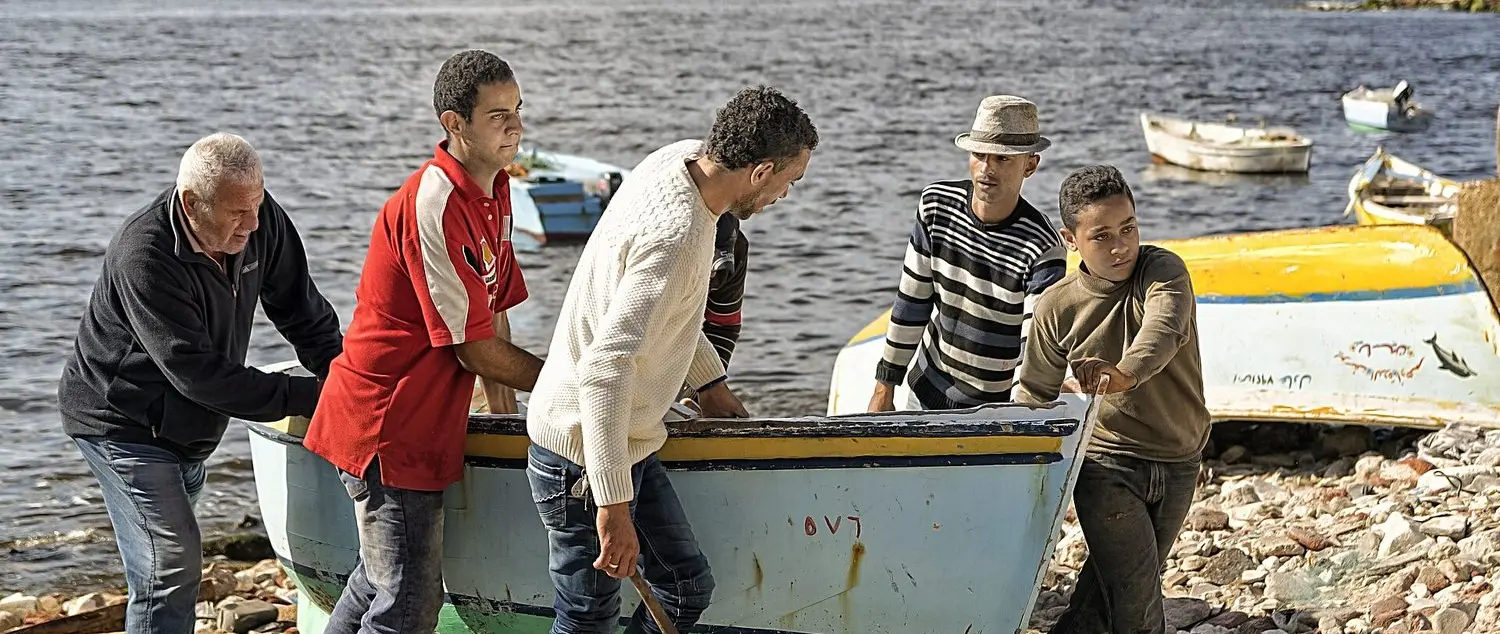
A boatbuilding awards shortlist includes compact craft
The 2026 Boat Builder Awards will be presented during Metstrade in Amsterdam on 18 November, and the official shortlist includes several boats and innovations directly relevant to small-craft owners. Among the contenders are the 4.5-metre MC-ZERO 450 electric tender, the transformable MIRAVA M800 and the NAVAN C38. Other finalists represent considerably larger yachts and broad industrial projects. The 12th edition of the awards celebrates design, supplier partnerships, sustainability and the people involved in boatbuilding, rather than operating as a boat-of-the-year vote based only on showroom appeal.
The shortlisting is confirmed, but winners have not yet been named. That distinction is especially important for a report published ahead of the ceremony. Finalists can use the recognition to explain their design decisions, but the presence of a boat on the list does not mean judges have already selected it as the best. Leisure Boat Guide is focusing on entries close to or within the under-twelve-metre range and on the practical lessons they raise for everyday recreational craft.
The MC-ZERO 450 is only 4.5 metres long
One of the smallest finalists is the MC-ZERO 450, a carbon-composite electric tender developed through a joint venture involving McConaghy Boats and New Zealand propulsion specialist ZeroJet. The manufacturer describes a 4.5-metre hull fitted with twin 30-kilowatt electric jet units and a 32-kilowatt-hour battery installation. The design aims to give owners the manoeuvrability and utility of a compact tender while avoiding the need to carry petrol for conventional outboard propulsion. These are manufacturer specifications rather than independent comparative test results.
The headline feature is a movable helm and seat assembly that can be repositioned to free usable deck space. On a short hull, the position of a console can strongly affect how passengers move, how gear is loaded and where people hold on. The manufacturer claims significantly more room than a comparable rigid inflatable, but the size of that advantage depends on which craft are being compared. Buyers should examine the actual layout rather than relying on a single marketing percentage.
Electric range depends on load and speed
MC-ZERO's published range figures provide an unusually useful example of why electric-boat performance needs context. The manufacturer quotes a maximum speed of 27 knots, but also gives different ranges at different speeds and passenger loads. At about 18 knots with one driver it lists approximately 18 nautical miles, while an eight-person load at roughly 17 knots reduces the quoted figure to around 13 nautical miles. At four knots with one person aboard, the stated figure is much higher. These are manufacturer estimates and have not been independently verified here.
A prospective buyer needs to account for wind, chop, current, carried equipment and a prudent energy reserve. An electric tender used for short harbour transfers may suit the system well, while a boat expected to make long open-water trips could have very different requirements. The size of the battery alone cannot establish range without information about speed, loading and hull efficiency. The awards shortlist draws attention to a solution, not proof that one specification suits every small boat.
The movable helm earns design recognition
The MC-ZERO 450 is shortlisted in the Innovative Design Solution category. Industry reporting describes its repositionable helm and seat as a way to vary the cockpit arrangement between passenger carrying and other work. Rather than having one fixed location for steering and seating, the layout can be adjusted for particular tasks. On a small tender, that flexibility may matter more than elaborate interior fittings because almost every square metre has several potential uses.
Such arrangements also create questions for owners. A movable helm needs secure locking, reliable control connections and a clear operating position whenever the boat is under way. The practical experience should include visibility, secure handholds and freedom from trip hazards. The fact that the design is shortlisted indicates that judges are considering its innovation, but it is not an independent certification of those arrangements. Normal vessel approval and safe operating practices continue to apply.
The supplier partnership is shortlisted separately
McConaghy Boats and ZeroJet also appear in the Collaborative Solution between a Builder and its Supply Chain Partner category. This second nomination recognises the cooperation needed to design a vessel around an electric propulsion system rather than replace a combustion engine at the end of development. Supplier collaboration can influence weight distribution, cooling, cable routing, access for repairs and how the boat is operated. Those considerations are just as relevant to a modest family craft as to a high-end tender.
Small boatbuilders often rely on specialist suppliers for engines, electrics, steering and deck systems. Working together early can reduce the need for awkward compromises during installation. It can also make the finished boat easier to maintain because the layout anticipates inspection and component replacement. A shortlist position does not establish a preferred supplier for other builders, but it highlights an approach to product development that can benefit the whole small-craft sector.
MIRAVA M800 tests adaptable dayboat design
Another finalist in Innovative Design Solution is the MIRAVA M800, which was included for a flexible arrangement of bow and stern structures, an associated detachable electric tender and advanced onboard controls. Industry coverage describes an integrated system that can support navigation, docking and position holding. The design illustrates how an approximately eight-metre recreational platform can be conceived around changing activities rather than a single unalterable seating plan.
On a boat of this size, transforming furniture and deck sections can create usable space for swimming, entertaining or moving equipment. However, moving components must also be secured correctly under way, and the owner needs clear operating instructions. Technology described as supporting automatic docking or station keeping should not be equated with permission to leave the helm unattended. The skipper remains responsible for keeping a proper lookout and operating safely according to local rules.
NAVAN C38 makes the launch shortlist
The NAVAN C38 appears among the Breakthrough Launch of the Year finalists. It is one of the smaller craft within a category that also includes substantially larger yachts. The model's inclusion is relevant to readers considering the upper end of Leisure Boat Guide's intended market, where a cruising boat can still be manageable by a family while offering more substantial accommodation and weather protection than a simple open launch.
A shortlist tells prospective owners that a new model has attracted industry attention, but it is not a substitute for examining dimensions, weight, handling and ownership costs. The C38 must be evaluated in the configuration a customer actually intends to purchase. Its equipment list, berth requirements, fuel demands and safe operating characteristics matter independently of recognition by an awards jury. Buyers should not infer that winning or being nominated makes a particular boat the correct choice for their needs.
Sustainability entries cover more than engines
The Sustainability Project of the Year category includes projects ranging from emission-reduction work on larger yachts to 3D-printed boatbuilding and the Northern Light Offshore 34. The presence of different approaches reflects the fact that environmental performance in marine manufacturing involves more than propulsion alone. Material choice, waste generated in production, repairability and energy used over a vessel's life can affect the footprint of a smaller craft as well.
Environmental claims should be assessed against measured results and a defined scope. A component that reduces fuel consumption during operation may have different manufacturing implications from a material that simplifies repairs. Awards categories encourage companies to share their work, but they do not provide comparable lifecycle data for every finalist. For owners, durability, maintenance and realistic use patterns remain part of responsible boating decisions.
Six categories recognise distinct achievements
The awards programme includes Breakthrough Launch of the Year, Innovative Design Solution, Collaborative Solution between a Builder and its Supply Chain Partner, Sustainability Project of the Year, Rising Star and Lifetime Achievement. Those categories are different from a single ranking of boats. A builder may be recognised for a particular design decision or a productive supplier relationship without claiming that its entire model range is superior to every competitor.
The 2026 theme, The Industrial Pulse, focuses attention on the people and processes behind vessel production. That is relevant to small leisure boats because reliability often depends on work rarely seen by a buyer, including laminating, electrical installation, structural bonding and quality checks. Recognising good practices can encourage the industry to explain how boats are built, but awards do not replace formal technical requirements or independent inspections.
What to expect on 18 November
The awards are organised by International Boat Industry and Metstrade in association with Raymarine, with the ceremony scheduled for the evening of Wednesday, 18 November 2026 at Restaurant Harbour 8 during the Metstrade exhibition. The organisers have published the finalists and event details in advance. Results will only become confirmed when the winners are announced; any prediction beforehand should be identified as opinion rather than news.
For Leisure Boat Guide, the main story is the visibility given to compact innovations such as a 4.5-metre electric tender, flexible small-boat layouts and collaboration between specialist suppliers. The ultimate value of these ideas will depend on safe engineering, practical performance and serviceability once boats are in regular use. As the ceremony approaches, readers can follow the shortlist without confusing nomination with an award or marketing claims with independently tested results.
Sources: Official IBI Boat Builder Awards category shortlist, 2026 event schedule and MC-ZERO 450 official specifications. Photograph: boatbuilder at work by Wael.kenawey, Wikimedia Commons, CC BY-SA 4.0; a contextual image illustrating boatbuilding, not an awards event or nominated vessel.
