
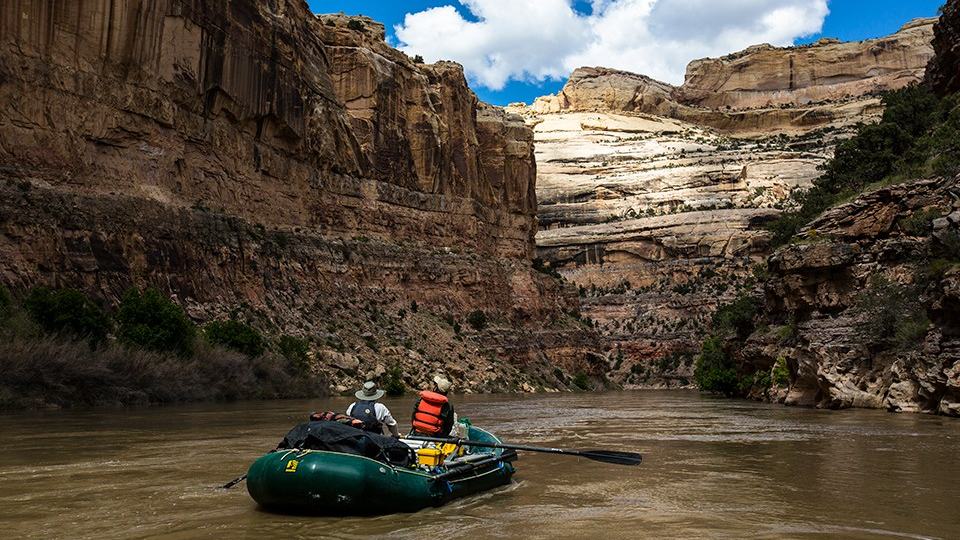
A Yampa River rafting trip through Dinosaur National Monument offers a remote canyon experience, with seasonal flow, permits and demanding logistics.
A river trip into a deep canyon
The Yampa River runs through striking canyon country within Dinosaur National Monument, crossing a landscape of sheer cliffs and isolated river camps. For experienced rafting parties, it provides an expedition quite different from a short summer float near a roadside launch. River access, equipment and the timing of a permit all need to be organised well before arrival.
The National Park Service also manages river trips on the Green River through the monument. The two rivers have different seasonal behaviour, and a visitor should not treat their flow, difficulty or permit systems as interchangeable. This guide focuses on the considerations that make a Yampa canyon trip possible, not on guaranteeing a particular itinerary.
Why the Yampa has a shorter season
Unlike the dam-regulated Green River, the Yampa’s navigable season is closely linked to snowmelt and seasonal precipitation. The park explains that lower snowpack can reduce flows by late May or June, whereas heavier snow can extend opportunities into July. Water conditions can change the character of rapids and the amount of usable camping space.
The Yampa high-use season runs from the second Monday in May through the second Saturday in July under the park’s published permit framework. The rest of the year falls into a low-use period, but that administrative label does not mean the river is always navigable or safe. Flow information and local advice remain essential for every proposed launch.
Permits are part of the expedition
Private multi-day rafting requires a permit through the National Park Service reservation system. The park identifies Deerlodge Park as the main Yampa put-in and Split Mountain as the downstream take-out for its longer river itineraries. A common Yampa trip is planned over approximately five days, giving the group time to negotiate the canyon and camp along the route.
Competition for high-use permits means advance planning is necessary. The park publishes an annual application period and subsequent availability for unclaimed or low-use places. Applicants should read the rules in the current season rather than copying a date from an old trip report. A permit is permission to launch under specified conditions, not an assurance that water levels will cooperate.
Skill, craft and rescue arrangements
This is not suitable as a novice group’s first rafting adventure without professional support. The monument’s river routes include rapids, remote sections and limited access to emergency services. The National Park Service requires appropriate experience and equipment for private parties. A qualified guide or experienced trip leader should assess the planned river section and the group’s ability.
Every person should wear a correctly fitted personal flotation device while navigating hazards. Rescue throw lines, spare paddles, repair materials and a reliable communication plan belong on the packing list. A capsized raft or an injured crew member in a remote canyon presents much greater logistical difficulty than the same incident at a managed urban launch.
The human side of a multiday float
A five-day trip requires more than rafts and paddles. Food, drinking water treatment, shelter, clothing for rapidly changing weather, medical supplies and waste-management equipment have to be carried and organised. Loads must be secured so that a rough section cannot scatter essential items into the current. A group should agree how cooking, camp setup and navigation responsibilities are shared.
The river’s setting encourages moments of quiet enjoyment, but fatigue accumulates over successive days. Build time into the itinerary for rest, weather delays and the slowest participant. The most experienced person should not be the only one who knows the emergency procedure. Clear communication and realistic expectations turn a challenging trip into a coherent expedition.
Protecting campsites and river habitat
A river canyon is not an unrestricted camping ground. Land ownership, designated sites, permit conditions and sanitation requirements shape where the group may stop. Visitors need to follow the monument’s specific river rules and leave no waste behind. The scenery owes much of its appeal to the lack of intensive development, making responsible behaviour especially important.
Wildlife should be observed at a distance and never fed. Avoid creating new paths through fragile vegetation, and keep equipment clear of places where animals may pass. Before the trip, the leader should explain how the group will handle campfires if permitted, food storage and human waste. These are essential elements of river travel, not optional extras.
Preparing for the right launch window
The most useful first action is to consult the National Park Service permit guidance and discuss the intended dates with an experienced river operator. The relationship between snowpack, river flow and the permit calendar determines whether the trip is realistic. Groups should also plan the shuttle between the permitted launch and take-out, which are far apart by road.
Dinosaur National Monument’s river corridor offers a powerful combination of geology, isolation and moving water. It rewards preparation and competence rather than improvisation. For an experienced rafting crew with a valid permit, appropriate equipment and a conservative river plan, the Yampa can provide the kind of expedition that stays memorable long after the rafts are packed away.