
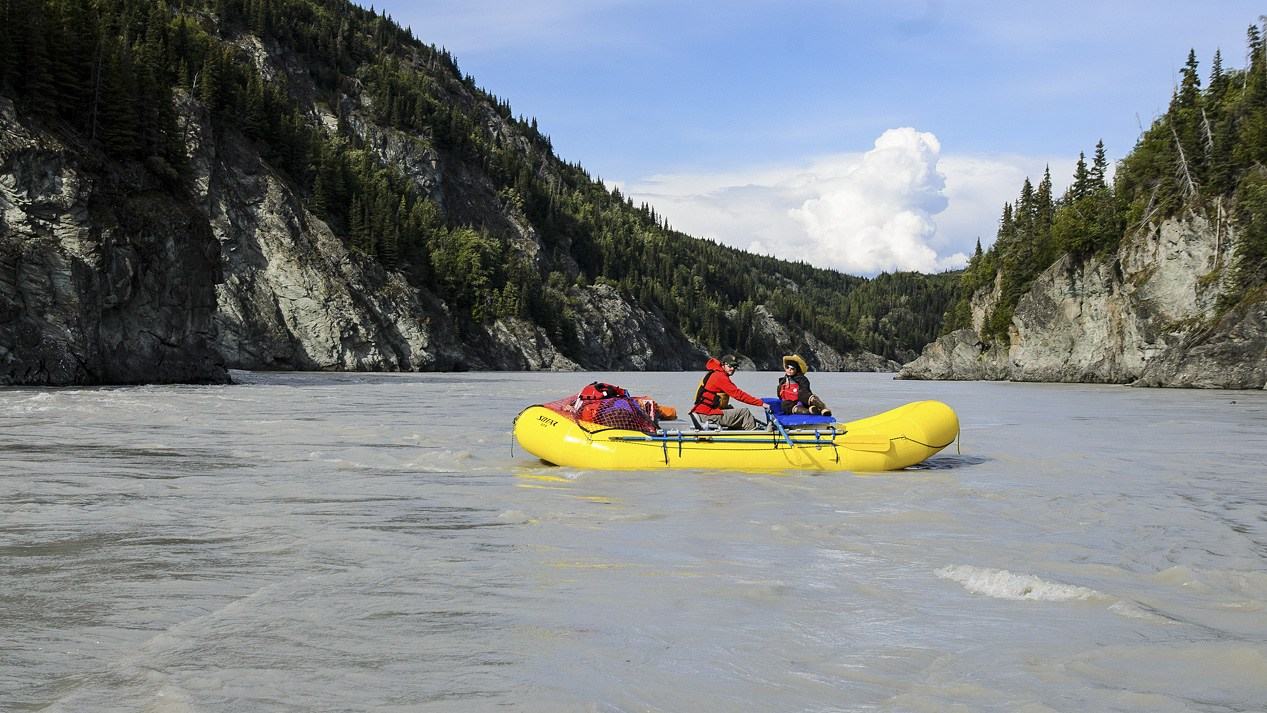
The Copper River is an impressive but serious Alaskan float. Glacial sediment, cold water, remote access and changing channels demand experienced crews and conservative planning.
A river route through an enormous landscape
Wrangell–St. Elias National Park and Preserve is a place where mountains, glaciers and rivers dominate any plan to travel. For experienced crews, a raft or other appropriate river craft can provide access to scenery that roads scarcely approach. The Copper River is one of the region's most remarkable float-trip corridors, but the National Park Service stresses that Alaskan rivers have hazards that cannot be treated as ordinary holiday inconveniences.
The journey deserves attention as a full expedition. Water in a glacial river is cold and often carries sediment, the channels can change and distances between useful landing or recovery points are considerable. A group interested only in a relaxed day on a river should choose a different destination. Those contemplating a multi-day float need to understand the route and the consequences of a poor decision before making transport arrangements.
The Chitina-to-Cordova route is not a short float
The National Park Service's Copper River float information describes a journey from the bridge near Chitina toward the Million Dollar Bridge in the Cordova region. Its published guide gives an approximate distance of eighty-five miles and a suggested four to six days, with the actual time on the river dependent on flow, weather and stops. These figures help frame the commitment, but they are not a timetable to follow regardless of conditions.
The practical problem is not simply getting downstream. Transport to the launch and collection at the destination must account for the size of the boats, the party and all equipment, and for the limited road network. Local arrangements may be required for complex access or extraction. A trip with a badly planned return journey can become expensive and risky, even if the river portion itself goes well.
Glacial water demands different navigation
Unlike a clear recreational river, glacial water can conceal submerged obstacles and change colour and depth without giving much visual warning. Braided channels and shifting gravel deposits mean that a route drawn on a static map may not match the best line on a particular day. A competent crew needs to read current and channel geometry, scout uncertain passages and avoid being committed to a constriction without a safe route.
The National Park Service advises special consideration for the hazards of rivers in this region. Cold water increases the seriousness of a capsize, while powerful current can carry a craft a long way before a safe recovery is possible. A suitable vessel, flotation, protective clothing and experience with river rescue are fundamental. The most attractive photographic channel is not necessarily the safest place to take a loaded boat.
Launch with a weather margin
Remote mountain weather can interrupt a river journey and alter its level. A period of pleasant sunshine at departure does not protect a crew from later wind, rain or high runoff. Build rest and delay days into the itinerary instead of planning to reach the take-out at the last possible hour before a fixed flight or transport connection. Every reserve day creates options when the river requires patience.
An effective plan uses current weather information as well as a realistic understanding of how conditions upstream may affect the route. A party should agree in advance what changes will require a stop or retreat. When a campsite is needed, select a place above possible changes in water level and away from unstable banks. The river decides what is possible more often than the original schedule does.
Travel as a competent and self-sufficient crew
Each member of the group should understand river signals, safe landing procedures and the location of essential rescue gear. A raft carrying camping equipment is not immune to capsize or damage simply because it is larger than a kayak. Secure loads, avoid unnecessary movement during a difficult passage and distribute equipment so a single lost bag does not remove every means of staying warm or communicating.
Cold-water protection deserves explicit attention. Choose clothing for immersion conditions, carry dry reserve layers, and keep a first-aid kit and appropriate emergency communication device accessible. Establish a written float plan with people ashore who understand when to raise an alarm. The plan should include both the intended route and the alternate dates or extraction possibilities if conditions prevent normal progress.
The wider wilderness changes the experience
Rafting through this part of Alaska is not only about rapids. The landscape invites attention to geological forms, remote valleys and the changing relationship between river, ice and mountain. A quiet moment on a gravel bar can be as memorable as a fast section of water. The reward of the trip lies partly in an ability to move through a vast environment without expecting constant amenities.
The same setting demands low-impact travel. Respect wildlife at a distance, handle food to avoid attracting animals, carry out waste and keep camps within applicable rules. The National Park Service offers guidance for wilderness travel, and groups should understand local land status and private holdings before treating every shore as available for camping or exploring. Preparation protects both visitors and the place they have come to see.
Know when a guide is the sensible choice
The park recommends considering a guide service when a party is uncomfortable with the inherent hazards of Alaskan river travel. That advice should be taken seriously. An experienced local operator can help interpret the river, arrange transport and provide equipment, but the participants still need to understand what the trip entails and whether their fitness and expectations match the itinerary.
For the right group, a Copper River journey offers a powerful feeling of distance and discovery. Its success is measured by a safe return, not just arrival at a named bridge. Consult the National Park Service's river-floating and route information, confirm all access arrangements and leave enough flexibility for a river that remains wild and dynamic long after the trip has been booked.
For changing conditions and access rules, consult the official National Park Service Wrangell–St. Elias river floating guidance. Hero photograph credited to National Park Service, rafting on the Copper River through an Alaskan canyon.